
As Chinese battery makers like CATL lead the sodium-ion battery market, Tesla supplier LG is preparing to mass-produce its own sodium-ion cells. The Korean company aims to begin sample production this year, leveraging its existing Tesla manufacturing lines in Nanjing and securing key materials through a partnership with Sinopec. This move could bring a more affordable, safer battery chemistry to the EV market.
The race for the next generation of electric vehicle batteries is heating up, and a major Tesla supplier is making a decisive move. LG Energy Solution, one of the key providers of 2170 cells for Tesla's Model Y and Model 3, is embarking on a project to mass-produce sodium-ion batteries. This strategic pivot aims to break the near-monopoly held by Chinese companies in the nascent sodium-ion battery industry and position LG as a leader in this promising, cost-effective technology.
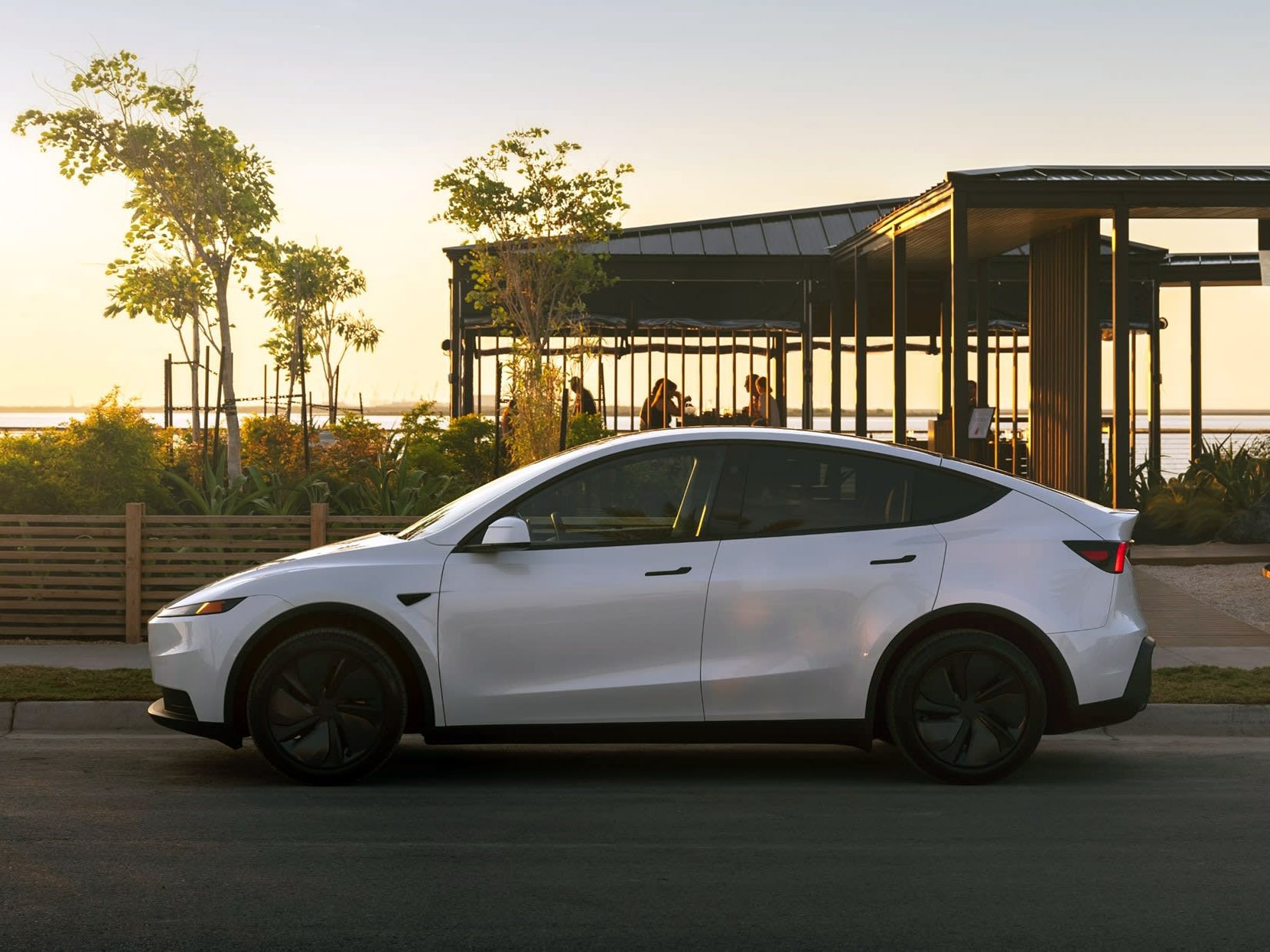
LG's plan is already in motion. The company is developing the sodium-ion chemistry at its R&D facilities and will establish a pilot production line at its Nanjing factory. This is the same facility that manufactures the battery packs for Tesla's Model Y and Model 3, giving LG a direct pipeline to integrate this new technology into one of the world's most popular electric vehicles. The goal is to initiate sample sodium-ion battery production this year, with the long-term objective of equipping both electric vehicles and energy storage systems with this safer and more affordable technology.
To secure a stable supply chain for this new venture, LG has signed a critical agreement with Sinopec, a Chinese petrochemical giant, for key sodium-ion battery electrode materials. This partnership is essential for scaling production and mitigating supply chain risks, especially as competition intensifies.
The Sodium-Ion Advantage: Cost, Safety, and Cold-Weather Performance
Sodium-ion batteries represent a significant shift from the dominant lithium-ion chemistry. By replacing expensive and geopolitically sensitive lithium with abundant and inexpensive sodium as the key ion transfer material, these batteries promise substantial cost reductions. This is particularly relevant for the mass-market EV segment, where battery cost is the single largest factor in vehicle pricing.
Beyond cost, sodium-ion batteries offer distinct performance advantages over the widely adopted Lithium Iron Phosphate (LFP) chemistry, which is already prized for its affordability and safety. Sodium-ion cells are generally safer, with a lower risk of thermal runaway. More importantly, they maintain superior operational performance in subzero temperatures—a critical weakness for LFP batteries, which suffer from significant range loss in cold climates. This makes sodium-ion an attractive option for EVs in regions with harsh winters.
The commercial viability of sodium-ion is already being demonstrated. Products like the first Na-ion jump starter are now available on platforms like Amazon, showcasing the technology's readiness for consumer applications. On the automotive front, the world's largest battery maker, Contemporary Amperex Technology Co. Limited (CATL), has already cracked the energy density challenge with its Naxtra sodium-ion packs. CATL's progress sets a high bar, meaning LG has significant ground to cover to compete effectively.
LG's Current Role and Future Ambitions with Tesla
LG's push into sodium-ion batteries does not diminish its critical role in Tesla's current supply chain. Tesla recently upgraded the range of its bestselling Model Y and Model 3 by equipping them with new LG batteries. These are NCM811 2170 cells, which feature a higher energy density than previous generations. This allows Tesla to pack more capacity into the same physical footprint, directly increasing the official range estimates for the 2026 Model Y.
Perhaps more impactful for the user experience is the new battery's charging performance. The updated LG cells can deliver a peak charging rate of 256 kW and, crucially, sustain a flatter charging curve for a longer duration. This translates to faster real-world charging times compared to the older cells, addressing a key consumer concern.
While some independent repair shops have raised questions about the long-term durability of LG's battery packs in Tesla vehicles compared to those supplied by Panasonic, it remains unclear if these concerns are based on testing of the new, higher-density cells or the older generation. Regardless of these debates, LG is set to remain a major battery supplier for Tesla. The potential introduction of affordable, cold-weather-resilient sodium-ion packs into Tesla's lineup could further diversify the automaker's battery strategy and accelerate the adoption of more cost-effective EVs.
The move by LG signifies a broader industry trend: the diversification of battery chemistries to meet specific performance and cost targets. As the EV market matures, a one-size-fits-all approach to batteries is becoming obsolete. Sodium-ion batteries are poised to carve out a significant niche, especially for standard-range vehicles and energy storage applications where cost and safety are paramount. LG's investment is a clear signal that the company is preparing for this multi-chemistry future, ensuring it remains a key player in the global battery landscape.
Sources: ETNews
Comments
Please log in or register to join the discussion