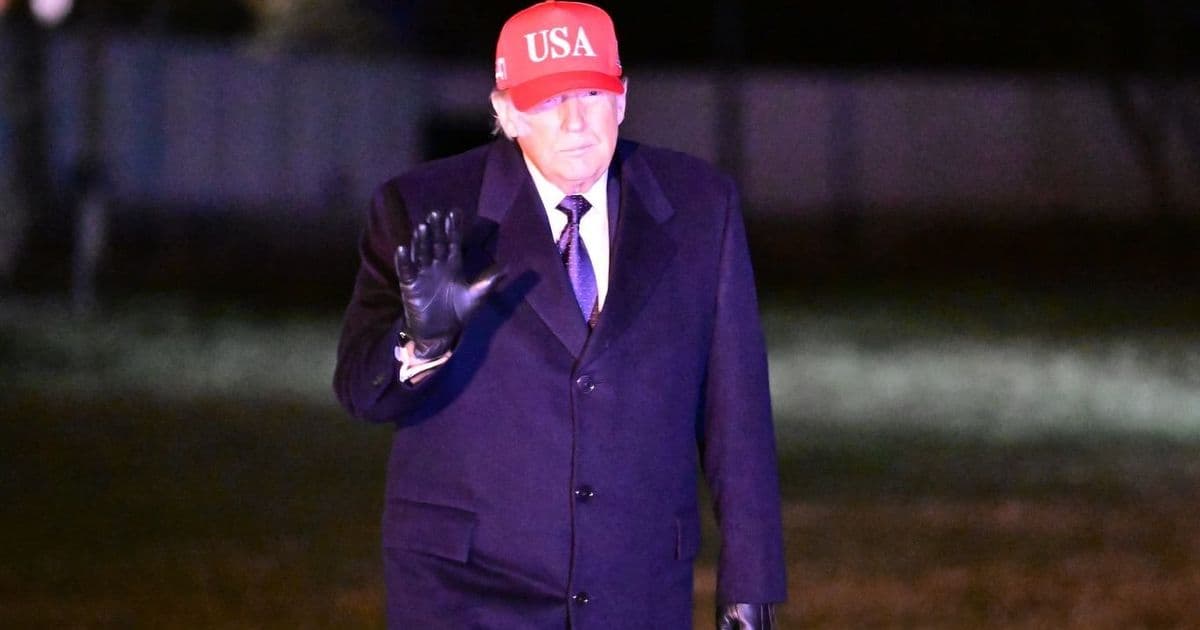
As President Trump escalates military action against Iran, a look at America's history of supporting foreign leaders reveals patterns that may inform current strategy.
As President Trump escalates military action against Iran, a look at America's history of supporting foreign leaders reveals patterns that may inform current strategy.
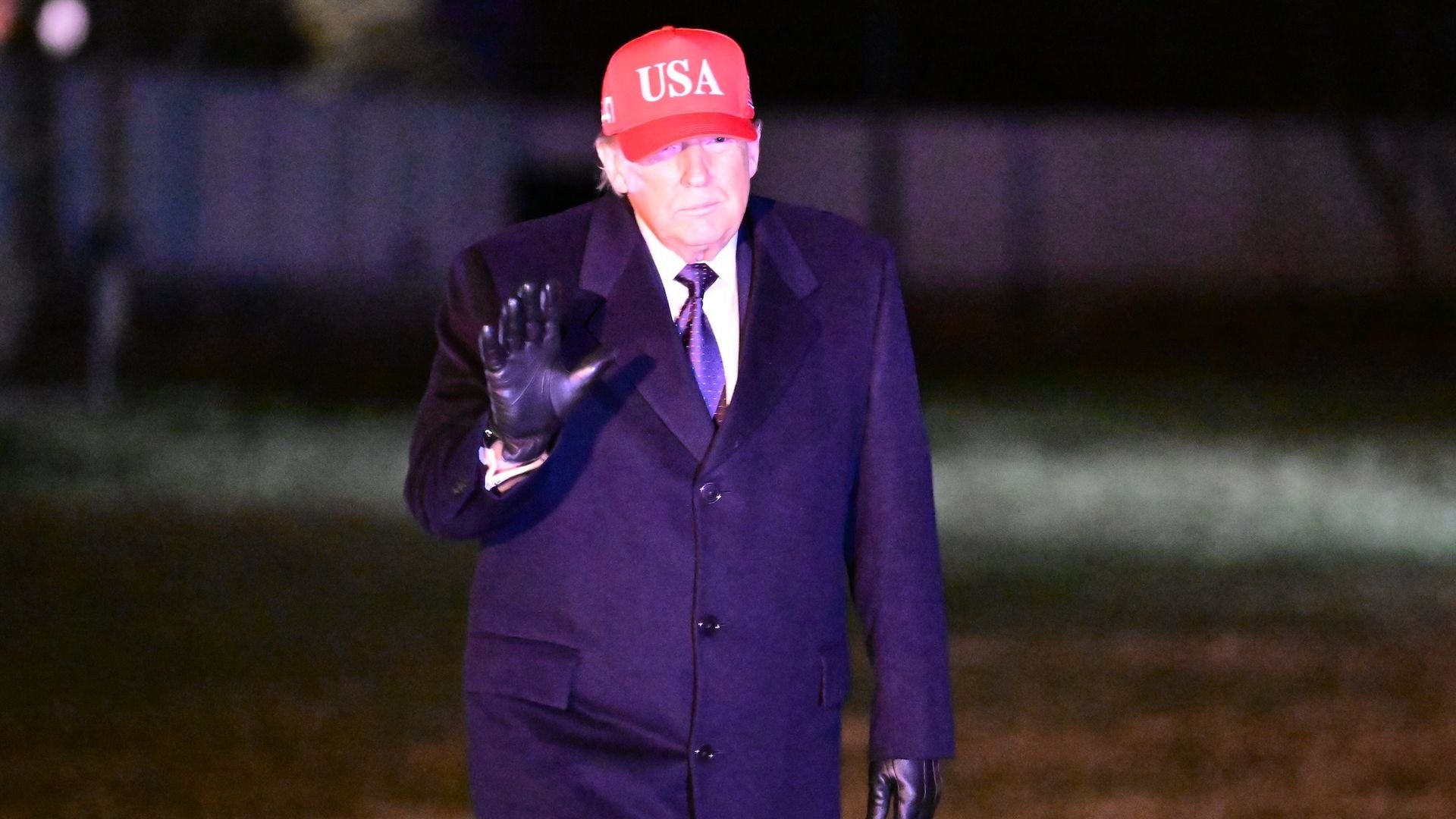
President Trump. Photo by Kyle Mazza/Anadolu via Getty Images
The United States has a long history of backing foreign leaders, often with complex and sometimes controversial outcomes. From Cold War alliances to modern-day partnerships, American support for international figures has shaped global politics for decades.
During the Cold War, the U.S. frequently supported authoritarian leaders who aligned with American interests, even when their human rights records were questionable. This included figures like Shah Mohammad Reza Pahlavi of Iran, who was installed in a 1953 CIA-backed coup that overthrew democratically elected Prime Minister Mohammad Mosaddegh.
In Latin America, the U.S. supported numerous military dictatorships throughout the 1970s and 1980s, including Augusto Pinochet in Chile and various leaders in Central America during the region's civil conflicts. These alliances were often justified as necessary to prevent the spread of communism.
More recently, American support has extended to leaders like Afghanistan's Hamid Karzai and Iraq's Nouri al-Maliki, both installed after U.S.-led invasions. The outcomes of these interventions have been mixed, with ongoing instability in both countries.
As Trump's administration considers its approach to Iran, these historical precedents offer both cautionary tales and strategic considerations. The current military strikes against Iranian targets represent a significant escalation that could have far-reaching consequences for regional stability and American interests.
The pattern of U.S. involvement in foreign leadership often reflects a tension between promoting democratic values and pursuing strategic interests. This dynamic continues to shape American foreign policy decisions today.
Comments
Please log in or register to join the discussion