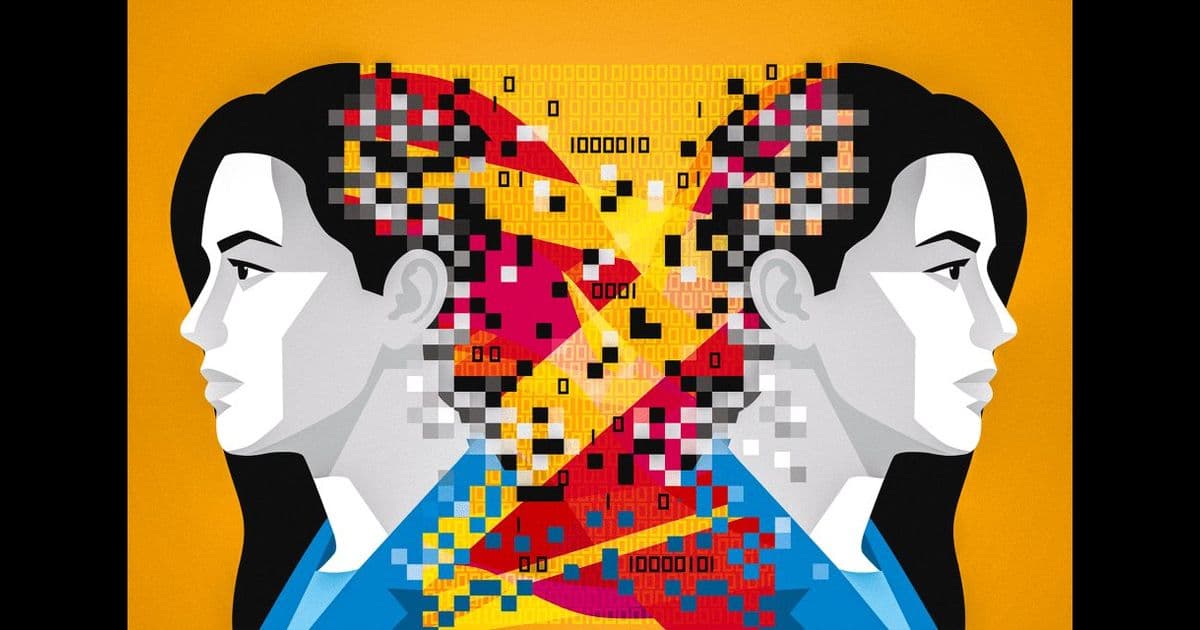
AI startup Simile offers 'agentic twins' modeled on real people to provide answers for polling and market research, raising questions about authenticity, bias, and the future of human-driven research.
The Wall Street Journal profiles Simile, an AI startup that's pioneering a controversial approach to market research by creating "agentic twins" - AI models trained on real people's data to provide answers for polling and market research on behalf of companies like CVS and Gallup.
How Agentic Twins Work
Simile's technology creates digital replicas of real individuals, training AI models on their demographic information, behavioral patterns, and survey responses. These "twins" can then answer questions and provide insights without requiring the actual person's participation each time.
The concept promises significant efficiency gains - instead of repeatedly surveying the same individuals, companies can query their AI counterparts for quick, scalable insights. Simile positions this as a way to reduce research costs while maintaining demographic representation.
The Business Case
Major corporations see clear value in the technology. CVS and Gallup have partnered with Simile to leverage these agentic twins for various research initiatives. The appeal is obvious: faster turnaround times, lower costs, and the ability to test multiple scenarios without burdening human participants.
For market researchers, the technology could democratize access to sophisticated polling capabilities that were previously available only to organizations with large research budgets.
Ethical and Accuracy Concerns
However, the approach raises fundamental questions about authenticity and bias. An AI model, no matter how sophisticated, may not accurately capture the nuances of human decision-making, emotional responses, or how opinions evolve over time.
There's also the question of consent and data usage. While participants may agree to be part of initial training datasets, the ongoing use of their "digital twin" for research purposes creates new ethical considerations about data rights and compensation.
The Future of Research
Simile's agentic twins represent a broader trend of AI replacing human roles in data collection and analysis. As these technologies mature, they could fundamentally reshape how companies understand their customers and make strategic decisions.
Yet the technology also highlights the limitations of AI in capturing human complexity. Can an algorithm truly replicate the lived experiences, cultural context, and evolving perspectives that shape human opinions?
The success of agentic twins may ultimately depend on finding the right balance between AI efficiency and human authenticity - perhaps using AI to augment rather than replace traditional research methods.
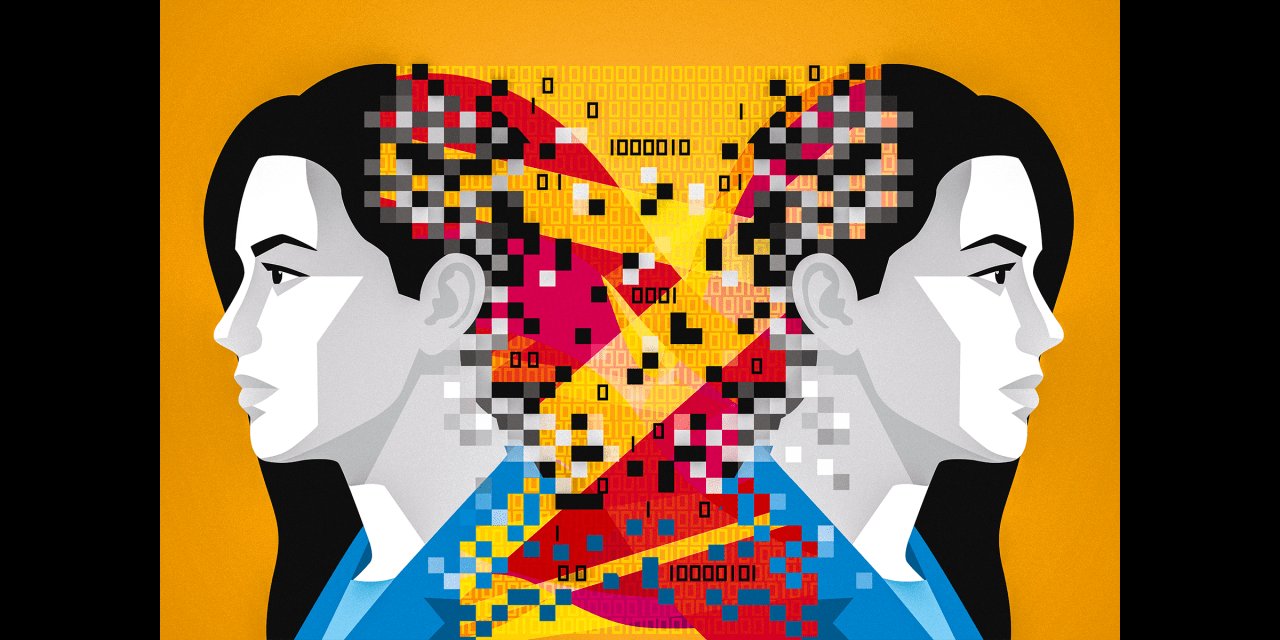
Source: Belle Lin/Wall Street Journal
This article is based on reporting from the Wall Street Journal about Simile's agentic twin technology and its applications in market research.
Comments
Please log in or register to join the discussion