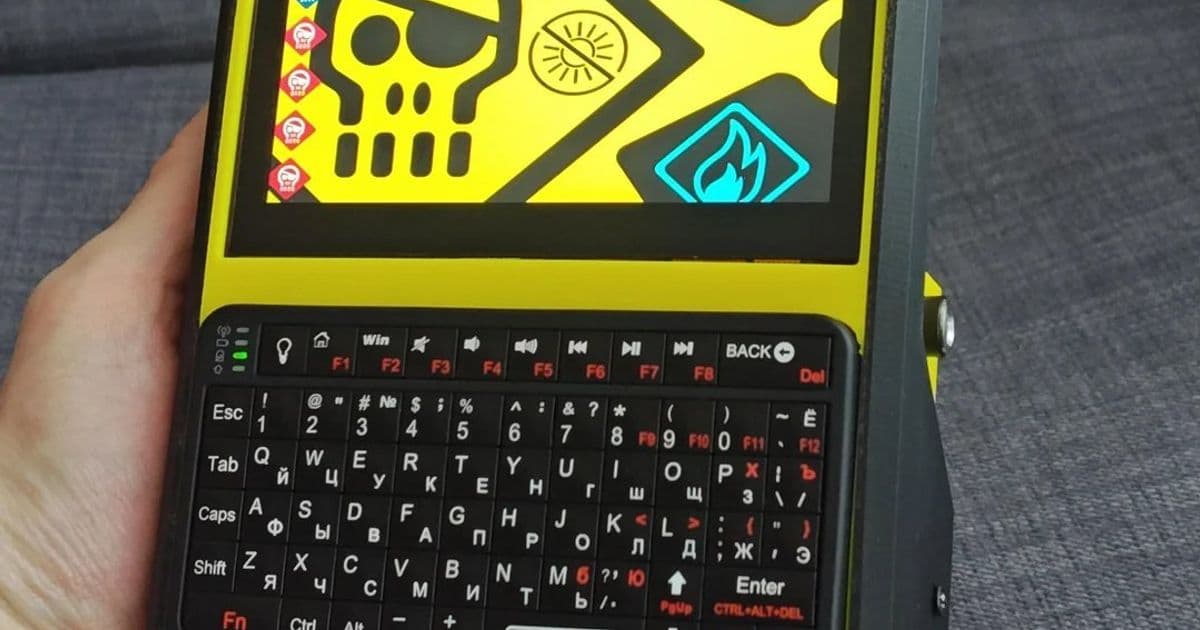
This week's roundup features Google's long-awaited vertical tabs for Chrome, a developer's impressive port of Mac OS 10 to the Nintendo Wii, and the chunky yet capable CyberDeck Pi handheld computer.
The tech world keeps delivering fascinating developments, from browser UI updates to retro gaming hacks and DIY computing projects. Here's what caught our attention this week.
Chrome Finally Gets Vertical Tabs
After years of requests from power users, Google has finally added support for vertical tabs to Chrome. This feature, long available through extensions and in competing browsers like Firefox and Edge, allows users to display their open tabs in a vertical sidebar rather than the traditional horizontal strip at the top of the browser window.
The implementation is currently in Chrome's experimental flags menu, meaning it's not yet ready for prime time but available for early adopters to test. To enable it, users need to navigate to chrome://flags and search for "vertical tabs." Once activated, the vertical tab layout can be toggled on and off, offering more screen real estate for web content while making it easier to manage large numbers of open tabs.
This move by Google addresses a long-standing complaint from users who keep dozens or even hundreds of tabs open simultaneously. The vertical orientation makes better use of widescreen monitors and provides more space for tab titles, reducing the need for tab hovering to see full URLs.
Mac OS 10 Lives Again on Nintendo Wii
In a remarkable feat of software engineering, a developer has successfully ported Mac OS 10 to the Nintendo Wii gaming console. This project demonstrates the enduring appeal of Apple's classic operating system and the surprising capabilities of Nintendo's decade-old hardware.
The port runs on the Wii's PowerPC architecture, which shares some similarities with the PowerPC chips Apple used in its Mac computers before switching to Intel processors. While performance is understandably limited compared to original Mac hardware, the achievement showcases the technical prowess of the modding community and their ability to breathe new life into legacy systems.
This isn't the first time we've seen classic operating systems running on unexpected hardware, but it's particularly noteworthy given the Wii's age and the complexity of Mac OS. The project serves as both a technical demonstration and a nostalgic trip for users who remember the early days of Mac OS X.
The CyberDeck Pi: A Retro-Future Handheld
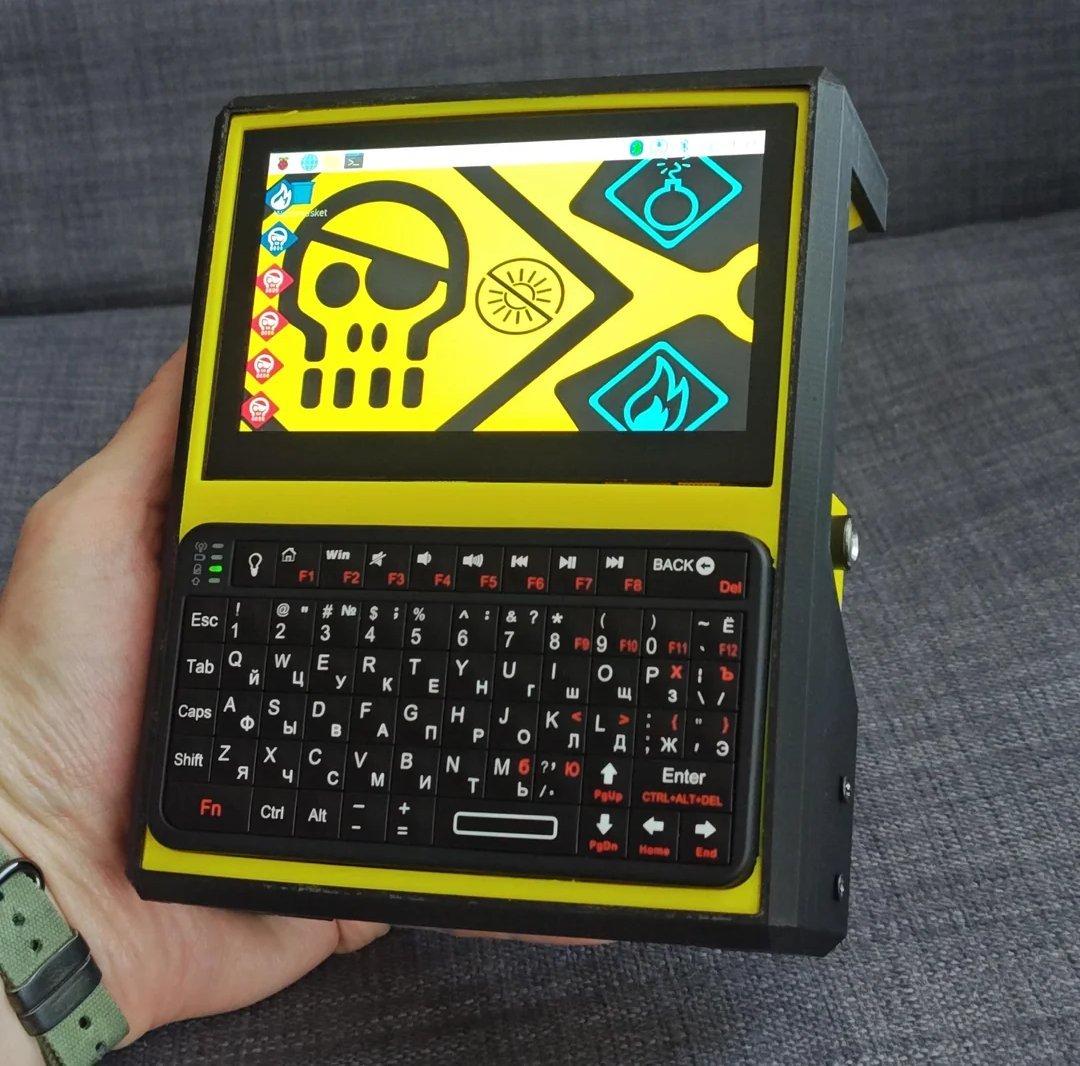
The CyberDeck Pi represents a fascinating intersection of retro aesthetics and modern computing power. Designed to look like something from an alternate timeline where smartphones never dominated the mobile computing landscape, this DIY handheld computer embraces a chunky, utilitarian design philosophy.
Built around the Raspberry Pi platform, the CyberDeck Pi offers full desktop Linux capabilities in a portable form factor. Unlike modern smartphones or tablets, this device prioritizes functionality and hackability over sleekness or pocketability. The design incorporates both off-the-shelf components and 3D-printed parts, making it accessible to hobbyists and makers.
The project embodies the spirit of the cyberdeck concept popularized by science fiction - a portable computer that's more tool than toy, designed for serious work rather than casual consumption. While it won't fit in most pockets, the CyberDeck Pi offers a unique computing experience that stands apart from mainstream mobile devices.
Other Notable Developments
Espressif has introduced a new ESP32 chip, continuing their dominance in the Wi-Fi and Bluetooth microcontroller market. The ESP32 series has become incredibly popular among IoT developers and hobbyists due to its combination of wireless capabilities, processing power, and affordability.
Anbernic, known for their retro gaming handhelds, is teasing a new device called the RG Rotate. This upcoming handheld features a flip-out gamepad design, suggesting a hybrid approach that combines traditional handheld gaming with more versatile control options. The rotating mechanism could allow for different gaming orientations and control schemes.
The Broader Tech Landscape
These developments reflect several ongoing trends in technology. The vertical tabs feature in Chrome shows how even dominant platforms eventually adopt features users have long requested. The Mac OS on Wii project demonstrates the enduring appeal of classic computing experiences and the technical creativity of the enthusiast community. The CyberDeck Pi represents a counter-movement to the trend of increasingly sealed and simplified consumer devices, offering instead a platform for customization and experimentation.
As computing continues to evolve, we're seeing interesting tensions between convenience and control, between polished consumer experiences and hackable platforms. Projects like the CyberDeck Pi remind us that there's still significant interest in devices that prioritize capability and customization over simplicity and mass-market appeal.
The success of these various projects and features suggests that the tech community values both innovation and nostalgia, seeking new capabilities while also preserving and reimagining computing's past. Whether it's vertical tabs making tab management more efficient, classic operating systems finding new life on unexpected hardware, or DIY projects creating entirely new categories of devices, the spirit of experimentation and improvement remains strong in the tech world.
Comments
Please log in or register to join the discussion