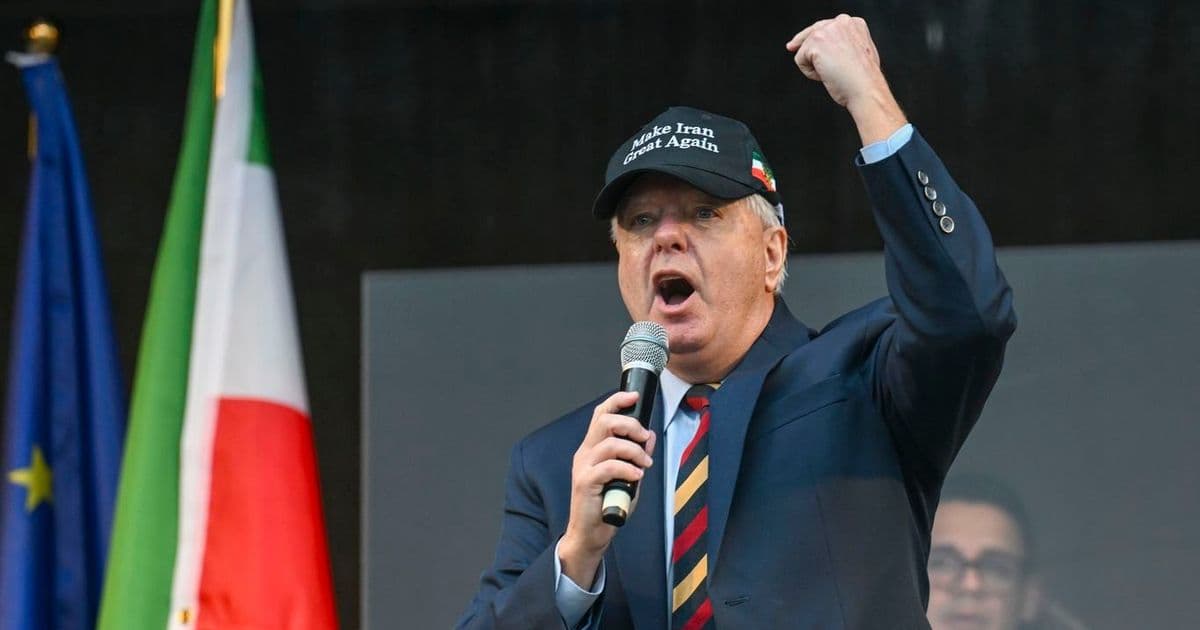
Republican Senator Lindsey Graham expresses concern that President Trump's advisers are blocking military action against Iran, highlighting internal divisions over foreign policy strategy.
Senator Lindsey Graham has voiced frustration over what he perceives as resistance from President Trump's advisers to taking military action against Iran. The South Carolina Republican, a longtime hawk on Iran policy, suggested that key members of Trump's national security team are preventing the administration from pursuing a more aggressive stance toward Tehran.
Graham's comments come amid heightened tensions between the United States and Iran, with the senator arguing that diplomatic efforts and economic sanctions have failed to curb Iran's regional influence and nuclear ambitions. He has repeatedly called for a more forceful approach, including the possibility of military strikes on Iranian nuclear facilities.
What Graham is saying
The senator's concerns reflect a broader debate within Republican foreign policy circles about the Trump administration's approach to Iran. While Trump himself has taken a hard line against Tehran, withdrawing from the Iran nuclear deal and implementing "maximum pressure" sanctions, Graham suggests that some advisers may be more cautious about military escalation.
This internal disagreement highlights the complex dynamics at play in shaping U.S. foreign policy. Graham, who has cultivated a close relationship with Trump, appears to be using his influence to push for a more confrontational approach, even as other voices within the administration advocate for restraint.
Context and implications
The debate over Iran policy occurs against the backdrop of ongoing regional conflicts and Iran's continued support for proxy groups across the Middle East. Graham's position aligns with those who believe that only the credible threat of military force can change Iran's behavior, while opponents argue that such actions could lead to a wider regional war.
For the tech industry, tensions with Iran have implications for cybersecurity and international business operations. Iranian state-sponsored hacking groups have been linked to numerous cyber attacks targeting U.S. companies and government agencies. Increased military tensions could potentially escalate cyber conflict between the two nations.
The situation also affects the global oil market, which has direct consequences for tech companies' energy costs and supply chain logistics. Any military action that disrupts oil shipments through the Strait of Hormuz could have ripple effects throughout the global economy, including the technology sector.
What happens next
The coming weeks will likely see continued debate within the Trump administration about the best approach to Iran. Graham's public statements may be an attempt to influence this internal discussion and build support for a more aggressive policy. However, the ultimate decision will rest with President Trump, who has shown a willingness to use military force but has also expressed a desire to avoid new Middle East conflicts.
As tensions persist, tech companies and cybersecurity professionals should remain vigilant about potential Iranian cyber operations, while also monitoring how geopolitical developments might affect their business operations and supply chains in the region.
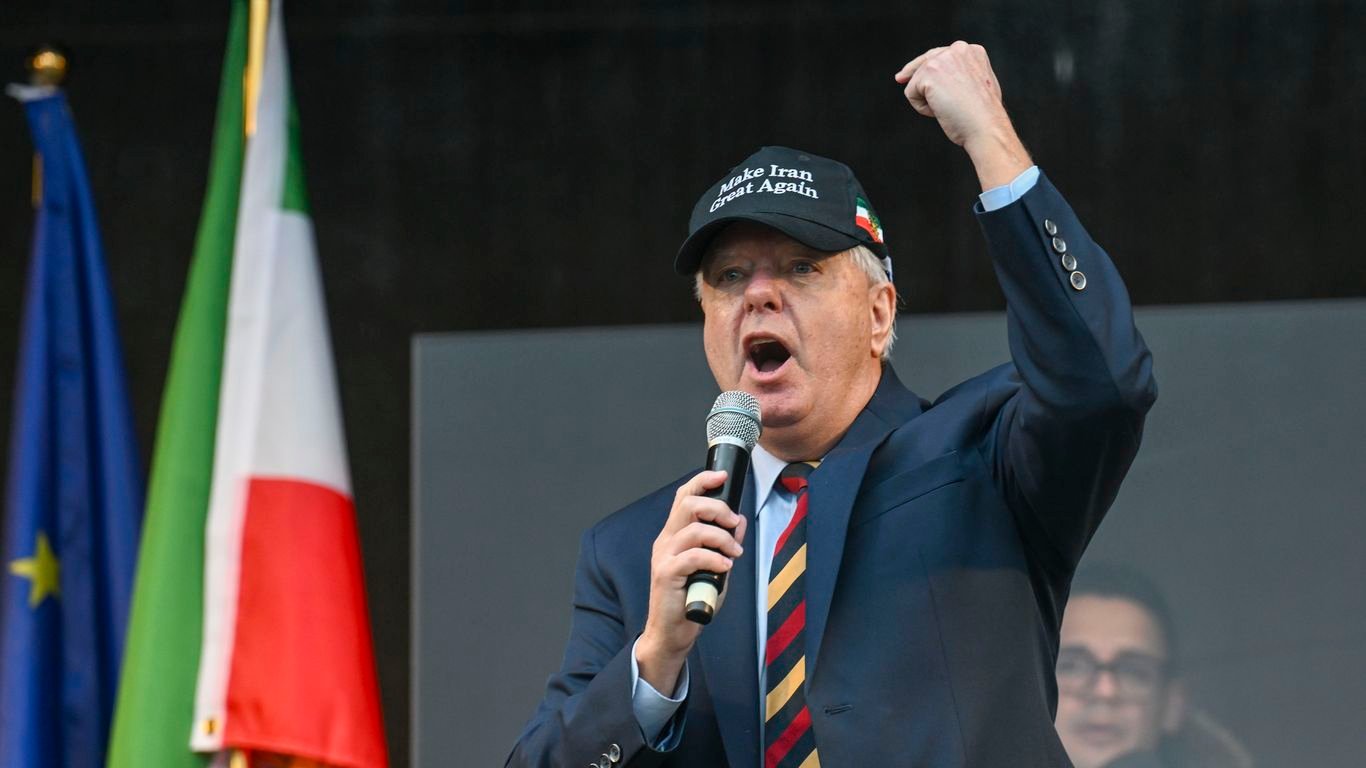

The featured image shows Sen. Graham during an Iranian opposition rally in Munich on Feb. 14, highlighting his long-standing engagement with Iran policy issues. The second image provides additional context to the story with a photo of Graham during the event, captured by photographer Hannes Magerstaedt.
Comments
Please log in or register to join the discussion