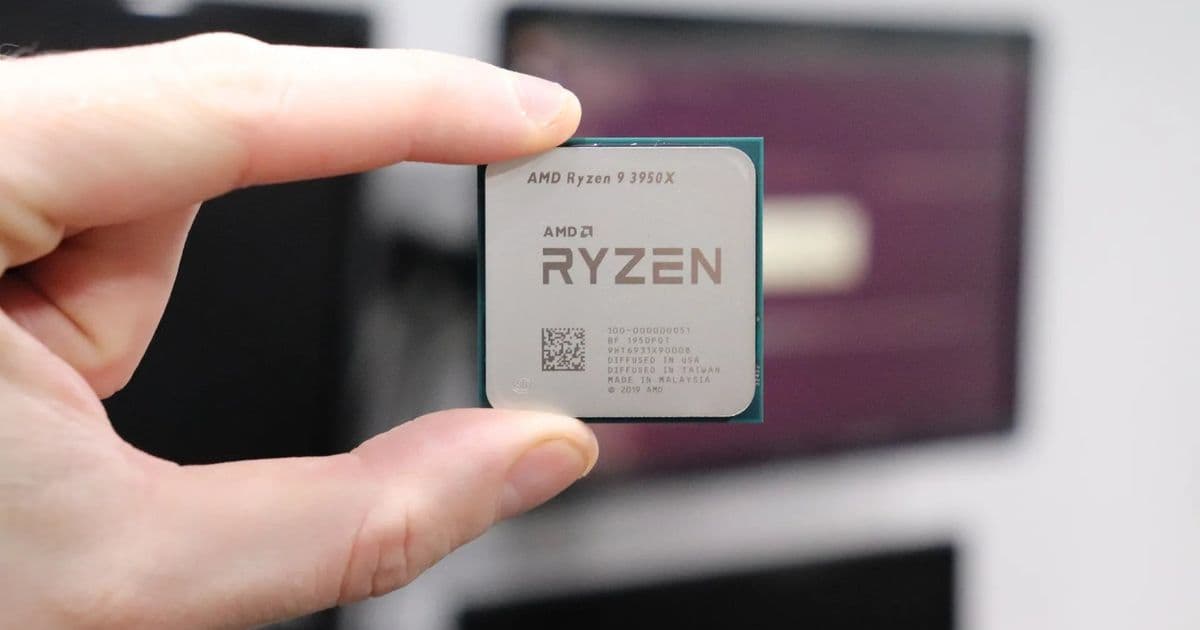
Linux 7.0 introduces a new epoll optimization that yields ~1.5% performance gains on AMD Zen 2 CPUs by reducing function calls and speculation barriers.
The Linux kernel's event poll (epoll) subsystem, which handles efficient I/O multiplexing and monitoring of file descriptors, has received a subtle but meaningful optimization in Linux 7.0. The change, contributed by Eric Dumazet of Google, adapts the epoll_put_uevent() function to use scoped user access functionality introduced in Linux 6.19.
The Technical Details
Scoped user access was designed to reduce speculation barriers and their associated performance penalties. Dumazet's patch modifies the epoll code to use this functionality, which saves two function calls and eliminates one stac/clac pair. While this might seem like a minor change, the impact is notable.
Performance Impact on AMD Zen 2
The optimization was benchmarked on AMD Zen 2 hardware, where it delivered approximately a 1.5% increase in network packets per second (PPS) during synthetic network stress tests. Dumazet notes that the stac/clac operations are particularly expensive on older CPU architectures like Zen 2, making this optimization especially beneficial for that generation.
Broader Implications
While the benchmark results focus on Zen 2, the optimization isn't specific to AMD's architecture. Other CPU families are likely to see similar benefits, though older generations may experience more pronounced gains due to higher speculation barrier costs compared to newer processors.
The patch represents a classic example of kernel optimization where a small code change—just a few lines—can yield measurable performance improvements without introducing complexity or breaking compatibility.
Context in Linux 7.0 Development
This change is among the final optimizations being merged before the Linux 7.0-rc3 release. It demonstrates the ongoing refinement of core kernel subsystems even as the development cycle progresses toward stabilization.
The epoll subsystem is widely used in network servers, web applications, and any software that needs to monitor multiple file descriptors efficiently. Even modest performance gains in this foundational component can have ripple effects across the Linux ecosystem.

Technical Implementation
The scoped user access functionality allows the kernel to temporarily relax certain security checks when accessing user space memory, reducing the overhead of repeated permission verifications. By applying this to epoll_put_uevent(), the code eliminates redundant operations that occur frequently during I/O event processing.
This type of micro-optimization is characteristic of Dumazet's contributions to the Linux networking stack, where he has consistently identified and eliminated performance bottlenecks through careful code analysis and targeted improvements.
Comments
Please log in or register to join the discussion