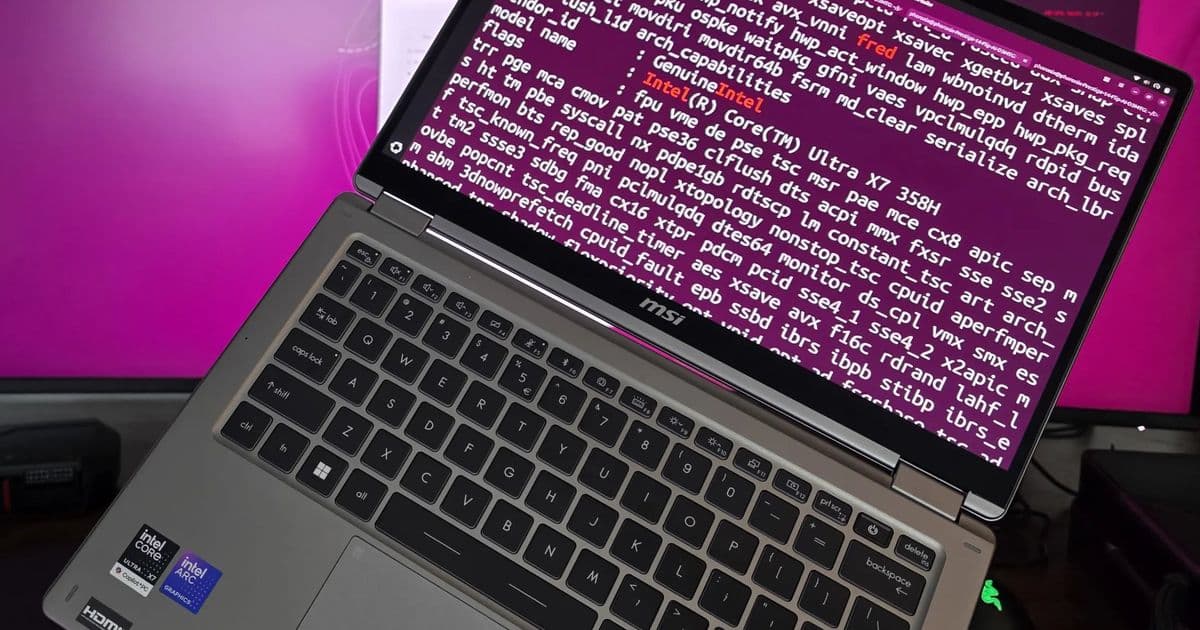
Linux 7.1 brings significant performance improvements for Intel Panther Lake processors by enabling FRED (Flexible Return and Event Delivery) by default, following successful benchmarking that demonstrated substantial gains across various workloads.
Linux 7.1 marks a significant milestone for Intel Panther Lake users with the default enablement of FRED (Flexible Return and Event Delivery), delivering substantial performance improvements across a wide range of workloads.
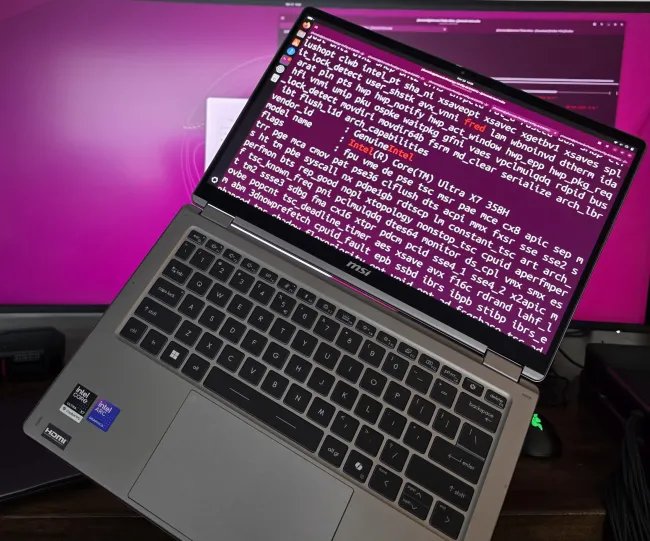
The Journey to Default FRED Enablement
The path to enabling FRED by default wasn't immediate. Last month, comprehensive benchmarks revealed the impressive performance impact of this feature on Intel's new Panther Lake processors, raising questions about why it wasn't enabled by default on Linux. The answer came quickly after publication when an Intel engineer explained they were waiting for hardware to be publicly released to properly evaluate the performance benefits.
Within days, the FRED-by-default patch landed in tip/tip.git, and as of yesterday, it's officially merged for Linux 7.1. This change represents a significant win for Panther Lake users, who will now experience better performance without needing to manually enable the feature with the fred=on boot option.
Performance Impact Across Workloads
The benchmarks conducted prior to this merge demonstrated that FRED can deliver meaningful gains for various I/O-intensive tasks. Users can expect improvements in:
- Database software performance
- In-memory key-value stores
- Networking applications
- Digital signal processing
- Digital audio processing
- Graphics and gaming software
These improvements stem from FRED's ability to optimize interrupt handling and return operations, reducing overhead in scenarios where the CPU frequently handles I/O events and context switches.
Technical Rationale for the Change
The merge message provides insight into the cautious approach initially taken:
"We made the FRED support an opt-in initially out of fear of it breaking machines left and right in the case of a hw bug in the first generation of machines supporting it. Now that the FRED code has seen a lot of hammering, flip the logic to be opt-out as is the usual case with new hw features."
This conservative approach allowed Intel and the Linux kernel community to validate the feature's stability and performance benefits across real-world usage before making it the default behavior.
Broader Impact and Future Prospects
This merge is particularly timely as it coincides with other Panther Lake optimizations landing in Linux 7.1, including the Panther Lake intel_idle driver C-state additions. These combined improvements create a more comprehensive performance package for users of Intel's latest mobile processors.
Looking ahead, FRED's adoption isn't limited to Panther Lake. The feature is expected to be utilized by upcoming AMD Zen 6 processors and Intel Xeon Diamond Rapids server processors, among other future Intel and AMD CPUs. This cross-vendor adoption suggests FRED represents a meaningful architectural advancement in CPU design that will benefit users across different hardware platforms.
What This Means for Users
For current Panther Lake users running Linux, the upgrade to Linux 7.1 will deliver immediate performance benefits without any additional configuration. Those already manually enabling FRED will see no change, but users who haven't been using the feature will notice improvements in their day-to-day workloads, particularly in I/O-heavy scenarios.
This development exemplifies how close collaboration between hardware vendors like Intel and the open-source community can lead to optimized performance for end users, with real-world benefits delivered through the mainline kernel.

The enablement of FRED by default in Linux 7.1 represents more than just a performance tweak—it's a validation of Intel's Panther Lake architecture and a testament to the Linux kernel's ability to quickly adopt and optimize for new hardware features once they've proven their worth in real-world scenarios.
Comments
Please log in or register to join the discussion