Global smartphone shipments fell 4.1% in Q1 2026 as memory supply constraints and rising component costs squeeze the market, with Samsung and Apple posting modest gains while Chinese brands struggle.
Global smartphone shipments declined by 4.1% in the first quarter of 2026, marking the first negative growth period since 2023, according to new data from the International Data Corporation (IDC). The market research firm reports that manufacturers shipped a total of 289.7 million devices during the January-March period, down from 302.0 million units in the same quarter last year.
Memory Shortage Drives Market Contraction
The primary culprit behind the market contraction is an "acute memory supply constraint" that has affected both device shipments and consumer demand. This shortage has been compounded by rising bill-of-materials costs, forcing manufacturers to increase prices across their product lines.
IDC analysts predict turbulent months ahead as the memory chip crisis continues to push average selling prices (ASPs) higher. While developed markets like the United States are expected to be less susceptible to price increases, emerging markets focusing on sub-$200 devices will likely see decreased demand. Memory prices are not expected to stabilize until the second half of 2027.
Samsung Maintains Market Leadership
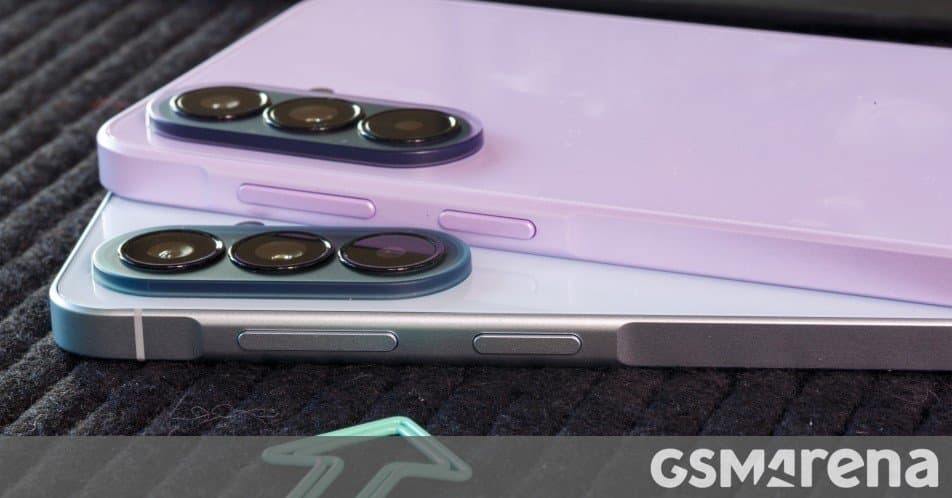
Samsung retained its position as the world's largest smartphone manufacturer with 62.8 million units shipped, capturing a 21.7% market share. This represents a 3.6% year-over-year increase from the 60.6 million units shipped in Q1 2025. The company's strong performance was driven by robust demand for the Galaxy S26 Ultra, alongside the earlier-than-usual launch of the Galaxy A367 and A57 models, which IDC analysts expect to be key volume drivers throughout 2026.
Apple Posts Modest Gains
Apple secured the second position with 61.1 million iPhone shipments and a 21.1% market share, marking a 3.3% increase from 59.1 million units in the previous year's quarter. The iPhone 17 series continues to attract consumer attention, with particularly strong growth observed in the Chinese market.
Chinese Brands Face Challenges
Xiaomi experienced the most significant decline among the top five manufacturers, dropping 19.1% to 33.8 million units shipped. This represents a decrease of 8 million units compared to Q1 2025, reducing its market share from 13.8% to 11.7%.
OPPO and vivo also saw declines, with OPPO shipments falling 9.9% to 30.7 million units (down from 34.1 million) and vivo dropping 6.8% to 21.2 million units (from 22.7 million). Both companies maintained market shares of 10.6% and 7.3% respectively.
Market Implications
The concentration of growth among Samsung and Apple, while other major players struggle, suggests a potential widening gap in the smartphone market. The memory shortage and resulting price pressures may accelerate consolidation, with smaller manufacturers finding it increasingly difficult to compete on both features and price.
For consumers, the immediate outlook includes higher prices across most smartphone categories, with the impact being most pronounced in budget and mid-range segments. The stabilization of memory prices in late 2027 may provide some relief, but manufacturers will need to navigate a challenging 18-month period of constrained supply and elevated costs.
The data underscores the smartphone industry's vulnerability to component shortages and highlights how supply chain disruptions can rapidly reshape market dynamics, even for established players with significant market share.
Comments
Please log in or register to join the discussion