Linux gaming continues its upward trajectory with Steam reporting a new all-time high in user share, fueled by Proton compatibility, Steam Deck adoption, and developer support.
Linux gaming has achieved another significant milestone, with Steam's August 2023 hardware survey showing Linux users reaching 1.96% of the platform's userbase – the highest recorded share since the survey began. This continues a steady upward trend that's been accelerating over the past two years.
What's Driving Linux Gaming Growth?
Several key factors contribute to this surge:
Proton & Steam Play: Valve's compatibility layer allows thousands of Windows games to run seamlessly on Linux, eliminating the biggest historical barrier.
Steam Deck Effect: The handheld gaming PC runs SteamOS (Linux-based), introducing millions of users to Linux gaming. Its success has pushed developers to prioritize Linux compatibility.
Native Ports: Major titles like Cyberpunk 2077, Elden Ring, and Baldur's Gate 3 now offer day-one Linux support through Proton or native builds.
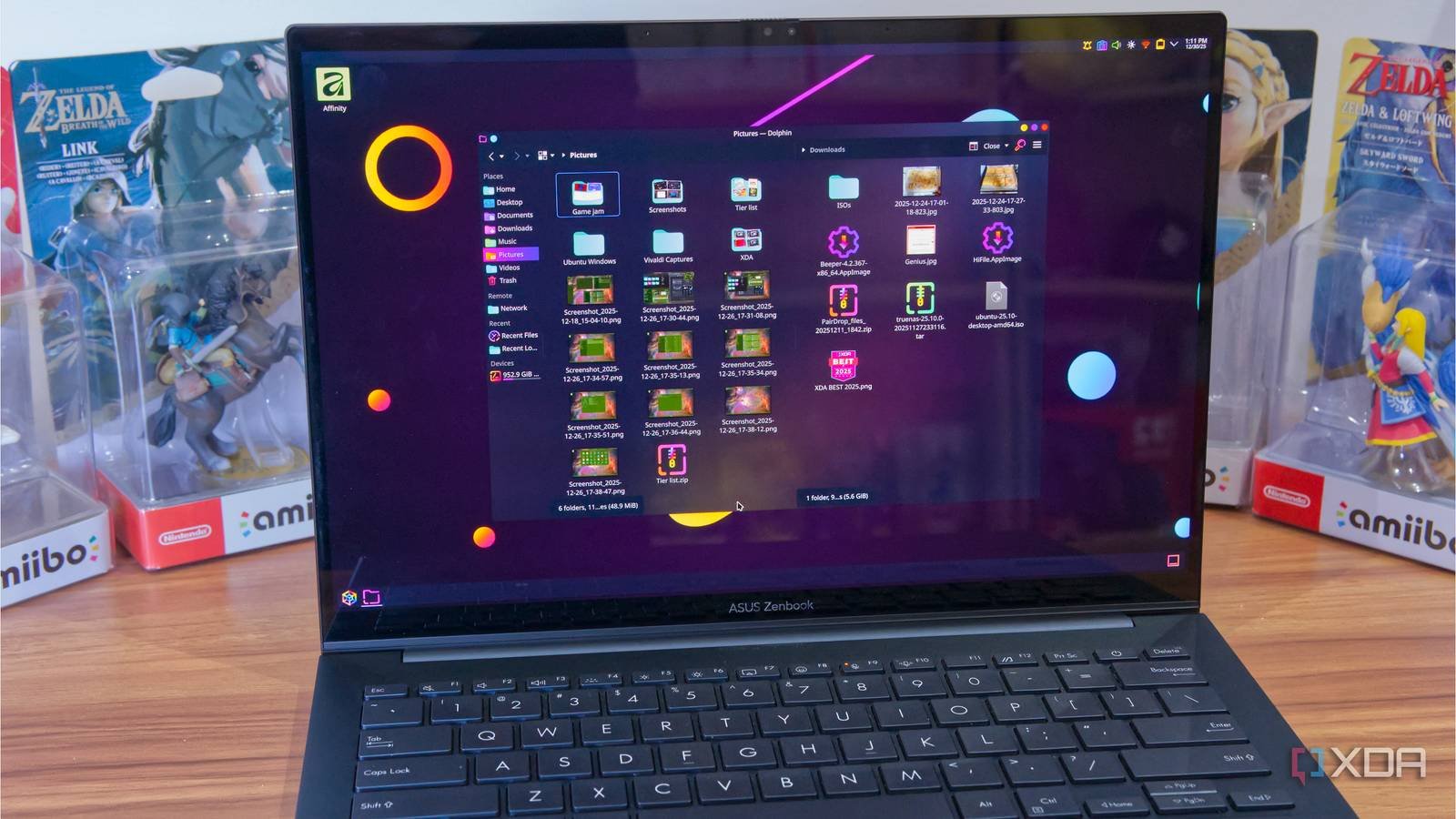
Emulation Advancements: Projects like Dolphin (GameCube/Wii) showcase Linux's capabilities.
demonstrates Dolphin running flawlessly on modern Linux distributions, appealing to retro enthusiasts.
Beyond the Numbers
This growth isn't just statistical:
- Hardware manufacturers are improving GPU driver support (AMD/NVIDIA)
- Anti-cheat solutions like Easy Anti-Cheat now support Proton
- Indie developers increasingly consider Linux a primary launch platform
Challenges Remain
Despite progress, hurdles persist:
- Nvidia Optimus support inconsistencies
- VR compatibility gaps
- Some AAA studios still delaying Linux support
The Future Looks Bright
With Valve actively investing in Proton improvements and Steam Deck iterations, Linux is poised to become a mainstream gaming OS. As developer tools mature and cloud gaming expands, the next milestone—breaking 2%—may arrive sooner than expected.
Comments
Please log in or register to join the discussion