
Unexpected Linux kernel patches fix critical GD-ROM driver issues for Sega Dreamcast, enabling proper disc mounting and media access on real hardware after years of instability.
In an unexpected turn of events for retro gaming enthusiasts and Linux kernel developers alike, a patch series addressing the GD-ROM driver in the Linux kernel has emerged in 2026, bringing much-needed stability to Sega Dreamcast support on the open-source operating system.
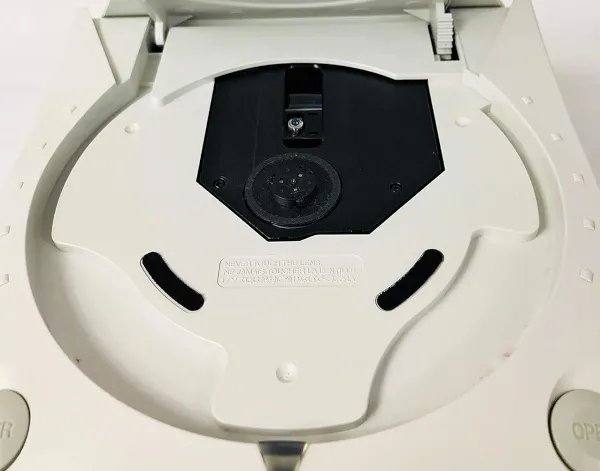
The GD-ROM (Giga Disk Read-Only Memory) was Sega's proprietary optical disc format used exclusively on the Dreamcast console, launched in 1998. This format allowed for approximately 1GB of storage capacity—significantly more than standard CD-ROMs of the era—enabling richer game content and full-motion video that helped define the Dreamcast's library. While the console itself was discontinued in 2001, its legacy has lived on through emulation, homebrew development, and dedicated hardware like the GDEMU (an SD card-based replacement for the optical drive).
The Problem: Kernel Oops and Unusable Drives
For years, Linux users attempting to access GD-ROM media on actual Dreamcast hardware encountered a frustrating roadblock. When trying to mount discs, the kernel would encounter a critical error known as a "kernel oops"—a serious but non-fatal error that causes the kernel to print an error message to the console while halting the current operation. In the case of the GD-ROM driver, this oops rendered the optical drive completely unusable, preventing any access to the inserted media.
The root cause stemmed from improper memory-mapped I/O (MMIO) register access and missing updates to the block layer's gendisk capacity. These technical issues meant that even if the hardware was physically functional, the Linux kernel couldn't properly communicate with the GD-ROM drive or recognize the disc's capacity, making mounting and accessing files impossible.
The Solution: Two Critical Patches
Florian Fuchs, the developer behind the patch series, addressed both core issues with a concise but effective solution. The two patches work in tandem to resolve the longstanding problems:
MMIO Register Access Fix: The first patch corrects the memory-mapped I/O register access, eliminating the kernel oops that previously crashed the driver. This ensures stable communication between the Linux kernel and the GD-ROM hardware.
Block Layer Capacity Update: The second patch updates the block layer's gendisk capacity information, allowing the kernel to properly recognize and report the disc's storage capacity. This is essential for file systems like ISO9660 (the standard for CD-ROMs and CD-Rs) to mount successfully.
Real Hardware Testing and Compatibility
What makes this patch series particularly noteworthy is its thorough testing on actual Sega Dreamcast hardware. Fuchs verified the fixes across multiple regional variants of the console, specifically testing on both PAL-E (European) and NTSC-J (Japanese) models. The testing methodology was comprehensive, using both physical CD-R discs burned with Dreamcast content and GDEMU-emulated discs that simulate GD-ROM media using SD cards.
The results speak for themselves: before the patches, users experienced kernel oops errors upon attempting to mount discs, resulting in an unusable drive. After applying the fixes, users can successfully mount and access the inserted media without any crashes or instability.
Significance for the Linux Ecosystem
While Dreamcast support might seem like a niche concern, this development highlights the Linux kernel's commitment to maintaining compatibility with legacy hardware. The kernel's device driver architecture allows for continued support of older technologies, preserving access to historical computing platforms and enabling modern operating systems to interface with vintage hardware.
For the retro gaming community, this fix opens up new possibilities for using Dreamcast hardware with Linux-based systems. Whether for game development, media playback, or simply preserving access to classic titles, stable GD-ROM support ensures that physical Dreamcast consoles remain viable platforms for enthusiasts.
Looking Forward
As these patches undergo review in the Linux kernel mailing list, they represent a fascinating intersection of retro gaming preservation and modern open-source development. The fact that Dreamcast-related kernel development is happening in 2026 demonstrates the enduring appeal of Sega's final console and the dedication of the community keeping it alive.
For those interested in exploring Dreamcast hardware with Linux, the patched kernel will soon provide a stable foundation for accessing GD-ROM media. Combined with existing tools for Dreamcast development and emulation, this enhancement strengthens Linux's position as a versatile platform for both modern computing and retro gaming preservation.
The patch series is currently under review, and interested developers can follow the discussion on the Linux kernel mailing list. For Dreamcast owners looking to experiment with Linux, this development promises to make the experience significantly more accessible and reliable.
Comments
Please log in or register to join the discussion