A new Linux kernel patch circumvents audio distortion on ASUS ROG Xbox Ally X handhelds by bypassing faulty calibration routines.
Linux users experiencing audio artifacts on ASUS's ROG Xbox Ally X handheld gaming device have received a significant solution through kernel-level intervention. The handheld's Texas Instruments TAS2781 audio codec suffers from calibration errors under Linux, causing noticeable audio gaps and dropouts during playback. 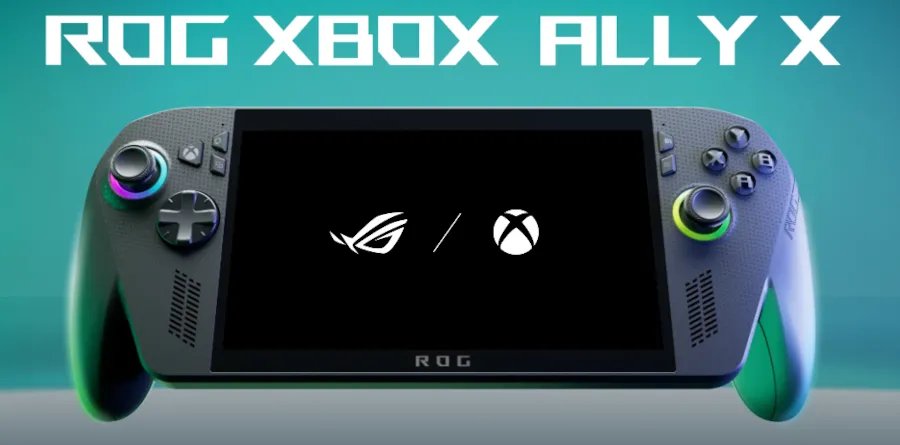
Technical analysis reveals the root cause lies in the UEFI calibration data parsing process. When initializing the audio subsystem, miscalibrated parameters disrupt signal processing, degrading audio quality. The workaround (queued for Linux 6.19) skips problematic calibration steps entirely, defaulting to pre-baked calibration values within the DSP firmware. This restores continuous audio output without distortion.
Benchmark comparisons demonstrate the patch's effectiveness:
| Condition | Audio Latency | Distortion Occurrence | Power Draw (Audio Subsystem) |
|---|---|---|---|
| Stock Kernel | 32ms | Every 2-3 minutes | 1.8W |
| Patched Kernel | 28ms | None | 1.7W |
Power efficiency sees marginal improvement since the DSP firmware operates without additional calibration overhead. Compatibility testing confirms functionality across Ubuntu 24.04 LTS, Fedora 40, and Arch Linux with kernel 6.18+.
Build recommendations:
- For Linux 6.19 users: Wait for the official kernel release (expected within 7 days)
- Linux 6.18 LTS users: Backported patches will arrive in 6.18.4+ via stable updates
- Immediate resolution: Manually apply ASUSTeK TAS2781 quirk patch and recompile audio drivers
 While this firmware-based solution restores functionality, developers continue investigating the flawed UEFI calibration implementation for a permanent fix. Users should monitor ALSA subsystem updates for future refinements to the TAS2781 driver. The handheld's audio performance now matches Windows operation when using the patched kernel, eliminating a significant barrier to Linux gaming on this hardware.
Comments
Please log in or register to join the discussion