
Logitech pushes its budget G series toward higher polling rates, lighter mouse shells, hot-swap switches, and repairable designs at prices below its pro-tier gear.
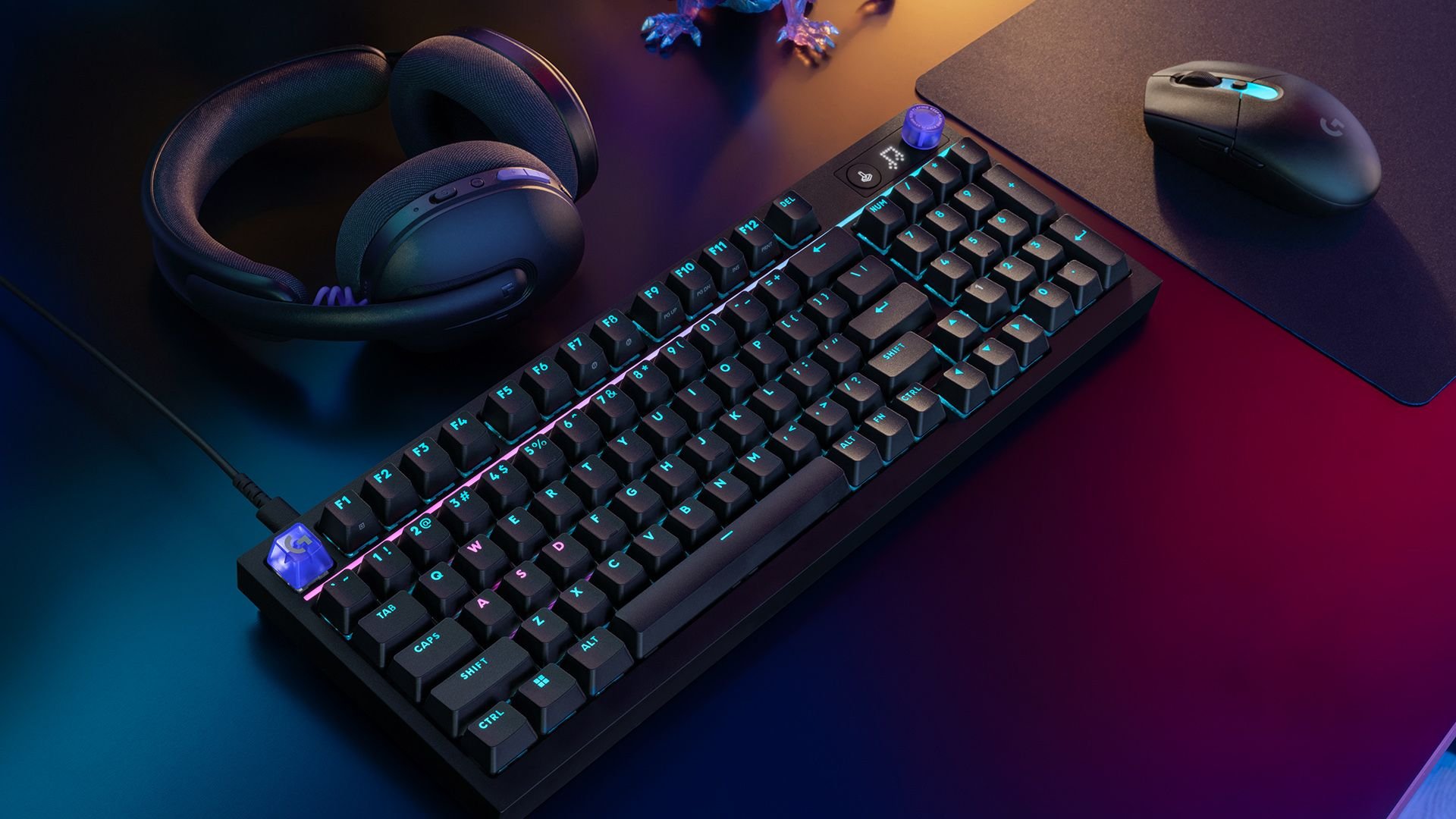
Logitech announced two gaming peripherals for its G3 lineup: the G305 X Superlight wireless gaming mouse at $79.99 and the G316 X 98 wired mechanical keyboard at $119.99.
The launch gives Logitech a stronger midrange answer to gamers who want pro-style specs without moving into the company’s higher-priced esports hardware. The G305 X Superlight cuts the familiar G305 shape to 59 grams, while the G316 X 98 adds hot-swappable switches, a dot-matrix display, a control dial, and an 8,000 Hz polling rate.
Logitech positions both products below its premium G Pro hardware, but the company gives them several features that once stayed higher in the stack. The mouse uses Logitech’s latest Hero sensor with up to 44,000 DPI. Paired with Logitech’s Pro Lightspeed wireless USB receiver, it supports up to 8,000 Hz polling.
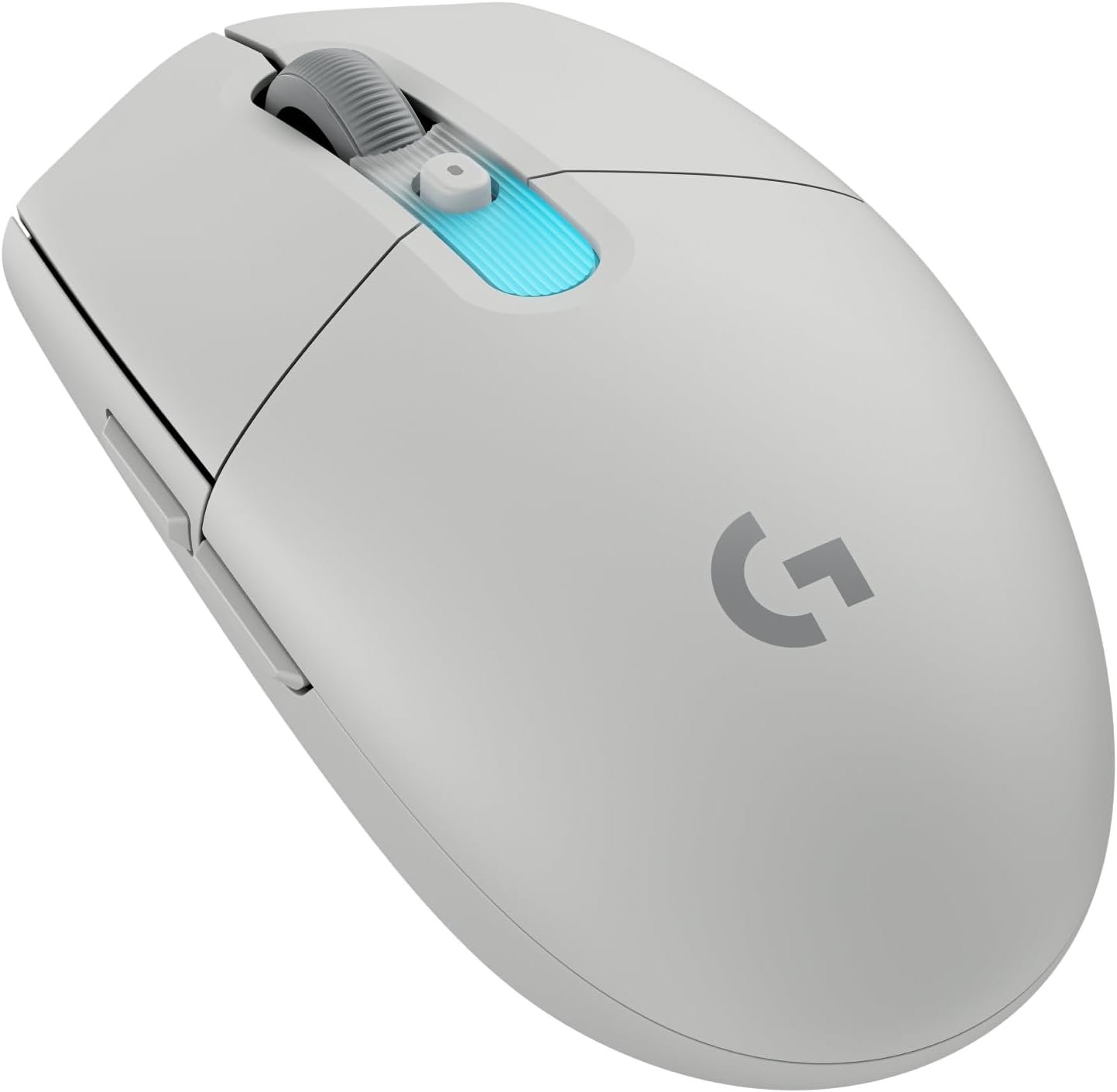
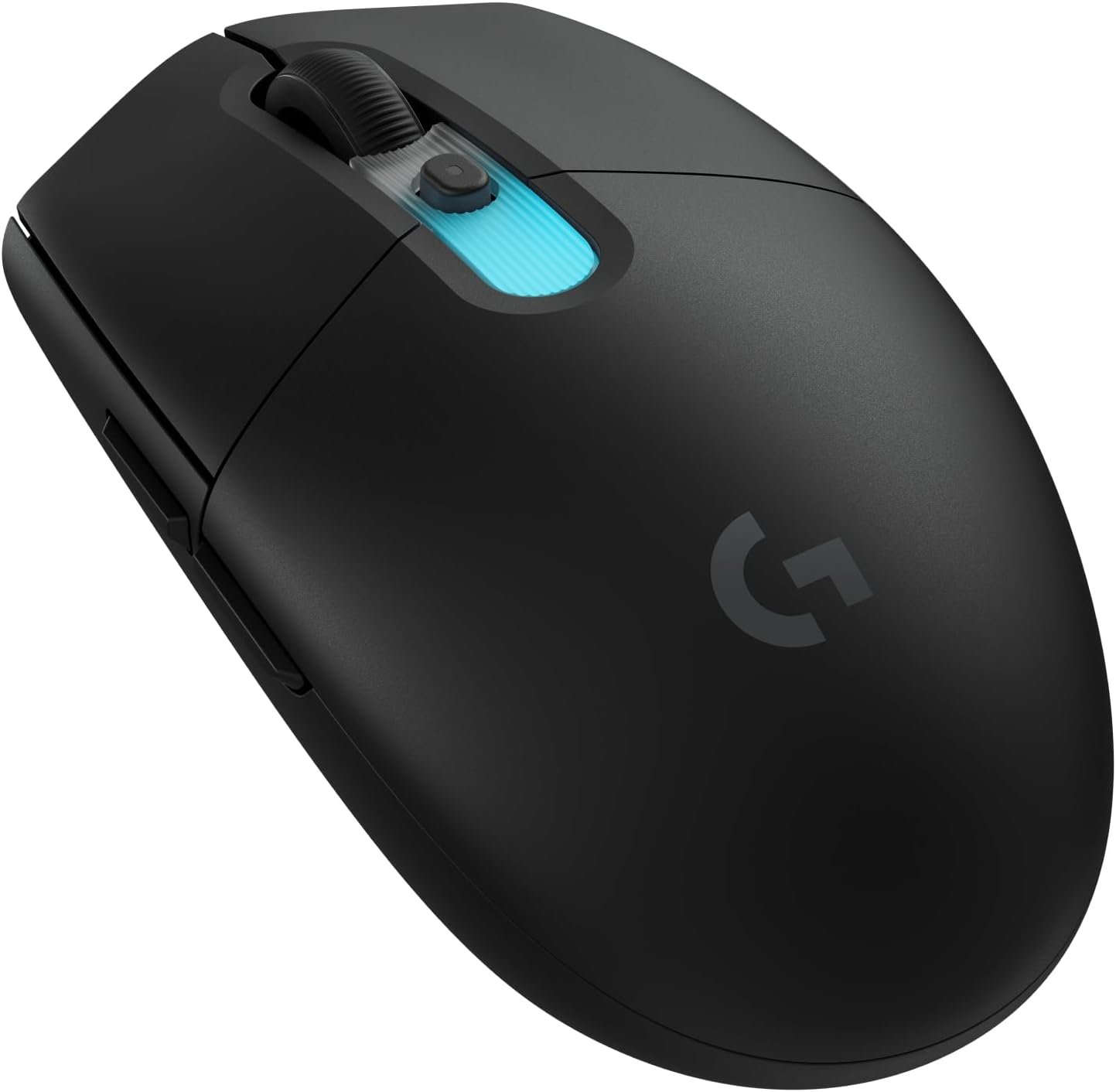
The G305 X Superlight carries the larger shift. The original Logitech G305, sold as the G304 in some regions, built its reputation on price, battery life, and a reliable Hero sensor. That older mouse weighed about 99 grams with its AA battery, which put it outside the modern lightweight gaming category.
Logitech cuts 40 grams from that reference point with the G305 X Superlight. At 59 grams, the new model lands near mice that target competitive first-person shooter players, where lower mass can help users make faster corrections and reduce fatigue during long sessions. The company also moves the design to USB-C charging, which removes the AA battery trade-off that shaped the old G305.
Logitech says the G305 X Superlight runs for more than 130 hours per charge. The company also claims a two-minute charge can provide up to 3.5 hours of play time. Those figures matter because a lighter rechargeable design can lose some of the battery appeal that made the old AA-powered G305 popular.
Connectivity also broadens. The G305 X Superlight supports 2.4 GHz Lightspeed wireless, Bluetooth, and wired USB-C operation. That mix gives desktop gamers the low-latency link they expect while letting laptop users keep Bluetooth as a fallback.
Logitech also points to repairability. The company says the mouse uses at least 51% recycled plastic and exposed screws. That screw access matters because many lightweight mice bury fasteners under glued feet or shells, which turns a switch replacement or battery repair into a messy job. Logitech’s design gives users a clearer path to open the shell.
The G316 X 98 keyboard extends Logitech’s G3 line into enthusiast territory. Logitech offers the board in black or white with tactile or linear switches. The 98-key layout keeps the number pad but compresses the footprint, which appeals to players who want more mouse space without losing spreadsheet and productivity keys.
The hot-swappable switch sockets mark a notable change for Logitech. The company has sold many mechanical keyboards with fixed switches, which leaves users with soldering work if they want to change feel or replace a failing switch. Hot-swap support lets users pull switches with a tool and install alternatives without solder.
Logitech also gives the G316 X 98 a multi-layer snap-fit gasket structure. Keyboard makers use gasket mounting to reduce hard contact between the plate and case, which can soften the typing feel and lower case ping. Logitech says its design improves structural integrity without screws and helps produce a deeper, “thocky” sound.
The performance spec sheet targets competitive gaming. Logitech lists an 8,000 Hz polling rate and a 0.125 ms response time for the keyboard. Those numbers put the G316 X 98 in the same marketing category as speed-focused boards from Razer, Corsair, Wooting, and other gaming brands.
Polling rate measures how often the device reports input to the computer. A standard 1,000 Hz keyboard reports 1,000 times per second. An 8,000 Hz keyboard reports eight times as often, which reduces the interval between scans. Players may see the clearest benefit in rhythm games, shooters, and other inputs where timing windows matter, though switch travel, firmware, USB handling, and game engine timing still influence the final feel.
The keyboard also adds a customizable LED lightbar, per-key RGB lighting, a translucent control knob, and a small dot-matrix LED display. Logitech says the dial can control volume, brightness, and music playback. The display gives the board a status surface for settings or effects without requiring users to open software.
Logitech’s move fits a broader peripheral market trend. Budget and midrange gaming devices now borrow features that enthusiast buyers once got from niche brands: lighter shells, high polling rates, gasket mounts, hot-swap sockets, and richer firmware controls. Major brands can ship those features at larger volume, which puts pressure on smaller keyboard and mouse makers that built their value around customization.
For Logitech, the G305 X Superlight and G316 X 98 also help refresh the lower end of the G lineup after the company introduced the G325 wireless gaming headset earlier this year. The company now has a mouse, keyboard, and headset family that speaks to buyers who want current gaming specs but still watch price.
Logitech sells its gaming hardware through Logitech G and major retailers, including Amazon listings for the G305 X Superlight and G316 X 98. At $79.99 and $119.99, the new devices sit in a crowded band, but their spec mix gives Logitech a credible answer for gamers comparing mainstream brands against enthusiast-focused alternatives.
Comments
Please log in or register to join the discussion