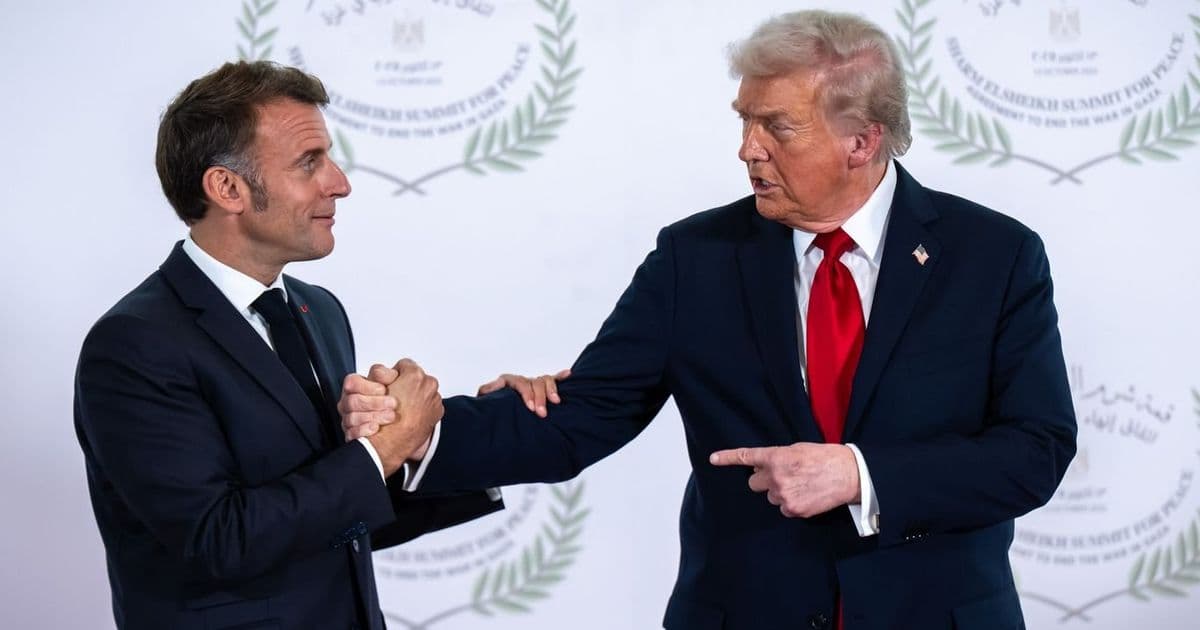
French President Emmanuel Macron rejected an invitation to join President Trump's proposed Gaza peace coordination board, highlighting strategic divergences in Middle East diplomacy.
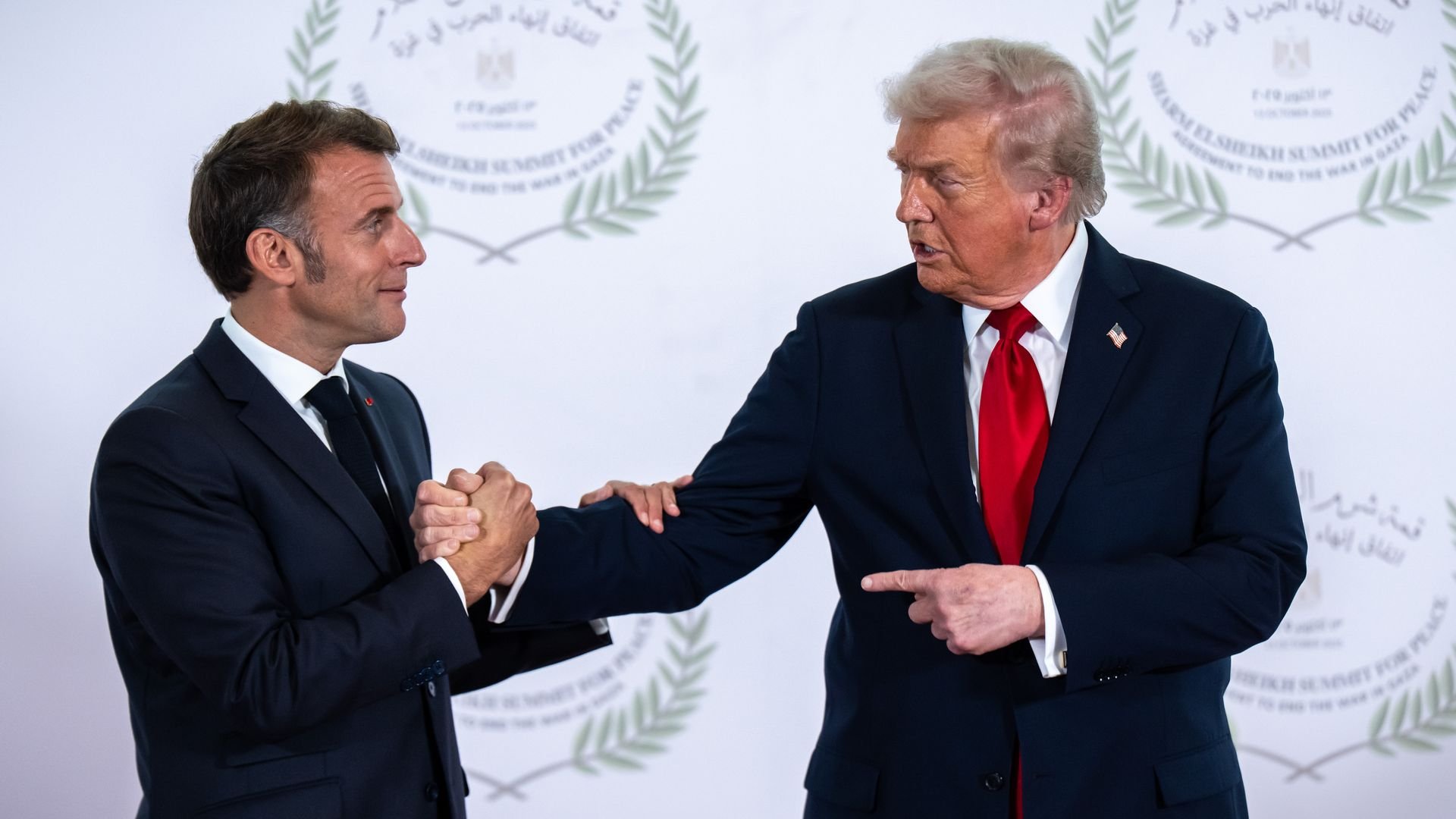
French President Emmanuel Macron has formally declined to participate in President Trump's newly proposed Gaza peace coordination board, according to diplomatic sources. The rejection comes amid ongoing tensions in Middle East mediation efforts and signals potential friction in Western approaches to the conflict.
The proposed board aims to coordinate international responses to Gaza reconstruction and conflict resolution, with invitations extended to several key Western and Middle Eastern leaders. Macron's refusal follows private discussions where French officials expressed concerns about the initiative's structure and potential overlap with existing multilateral frameworks like the Middle East Quartet.
Geopolitical analysts note the decision reflects France's independent foreign policy stance and reservations about U.S. leadership in the region. The French diplomatic corps has historically favored EU-coordinated approaches to Middle East peace processes, with Macron recently advocating for stronger European autonomy in foreign affairs.
Economic implications are significant given Gaza's reconstruction needs. The World Bank estimates post-conflict rebuilding could require $1.5-2 billion in international aid. Macron's absence from the board may complicate funding coordination between U.S.-aligned donors and European contributors, potentially delaying critical infrastructure projects.
Market observers highlight potential impacts on regional stability investments. Defense contractors and reconstruction firms had anticipated new contracts following peace initiatives, but political fragmentation could slow procurement processes. Major infrastructure projects requiring international consensus—including energy grids and port facilities—face renewed uncertainty without unified Western engagement.
The State Department continues negotiations with other invited nations, though no official participant list has been released. Diplomatic sources indicate Egypt, Jordan, and Saudi Arabia remain engaged in discussions, while Germany and the UK have yet to confirm participation. The board's effectiveness now hinges on whether remaining members can establish a viable alternative framework without French involvement.
Comments
Please log in or register to join the discussion