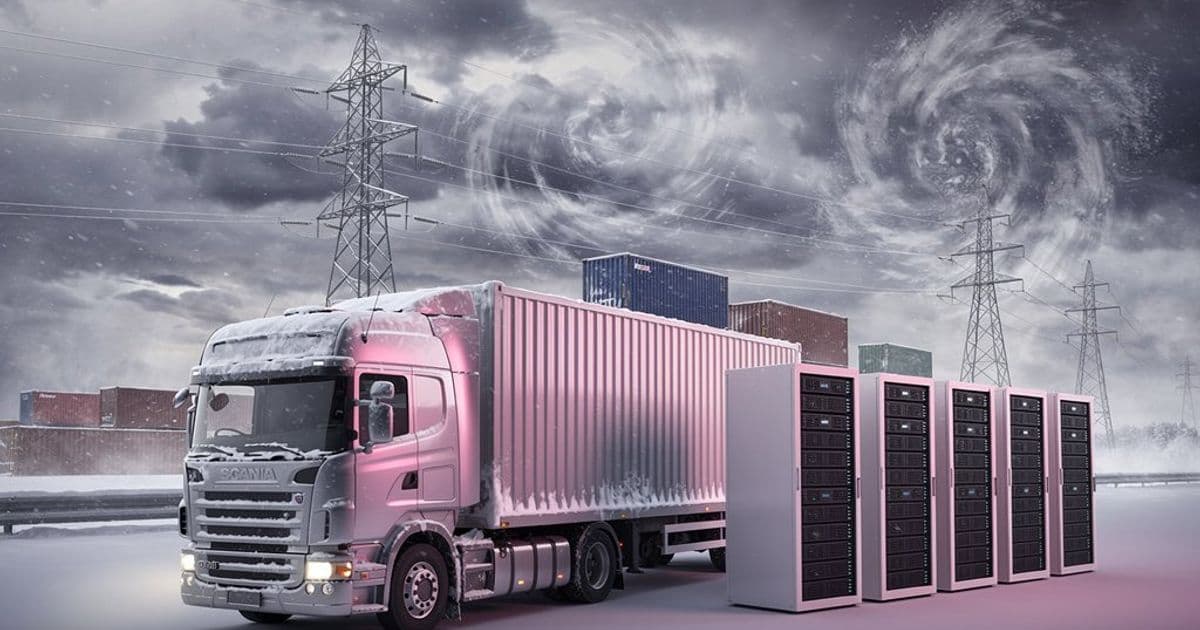
An approaching winter storm system threatens to disrupt logistics networks, power grids, and cloud infrastructure across multiple states.
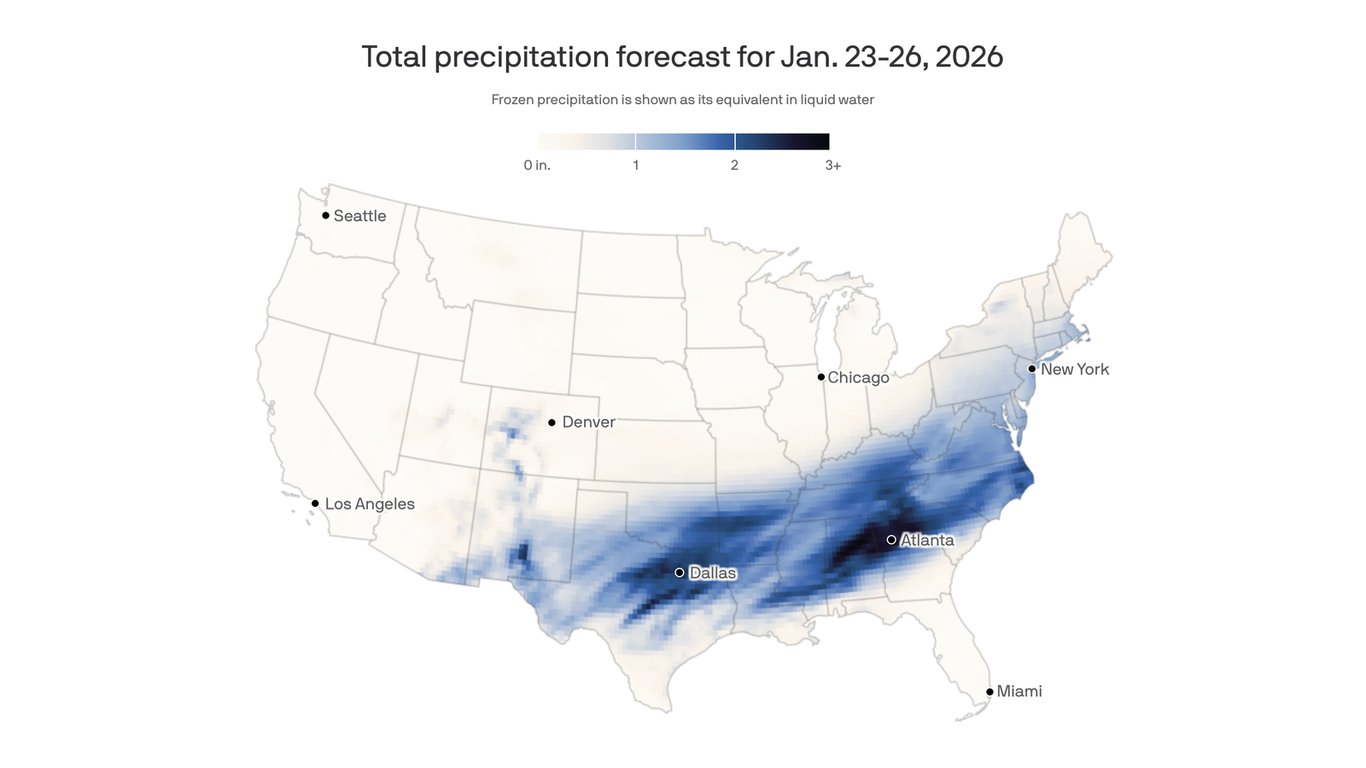
A significant winter storm system forecasted to impact over 50 million Americans this week presents substantial operational challenges for technology companies, logistics providers, and energy infrastructure. The National Weather Service predicts accumulations exceeding 12 inches in some regions alongside freezing rain that could cripple transportation networks critical to supply chains.
Major logistics hubs including Memphis, Chicago, and Columbus lie directly in the storm's path, threatening just-in-time delivery systems for electronics manufacturers. Historical data shows winter storms can delay component shipments by 3-5 days on average, creating downstream production bottlenecks. Amazon, FedEx, and UPS have activated emergency contingency plans, but analysts warn last-mile delivery failures could exceed 25% in affected regions.
The energy sector faces dual pressures: residential heating demand spikes typically increase power consumption by 15-20% during such events, while ice accumulation threatens transmission infrastructure. Grid operators are implementing load-shedding protocols to prevent cascading failures that could impact data center operations. Major cloud providers including AWS and Microsoft Azure maintain backup generation at critical facilities, but localized outages could still disrupt regional services.
Technology companies reliant on distributed workforces face productivity impacts. Collaboration platform usage typically surges 40% during severe weather events, testing network capacity. Video conferencing providers like Zoom and Teams are scaling infrastructure preemptively, while HR platforms report increased activity in leave management systems.
Supply chain analysts emphasize this event highlights vulnerabilities in single-region manufacturing dependencies. Companies with diversified supplier networks show 30% fewer weather-related disruptions according to Resilinc data. The storm arrives during critical Q1 inventory rebuilding, potentially exacerbating existing semiconductor and hardware component shortages. Real-time tracking systems from project44 and FourKites show carriers rerouting shipments, adding 8-12% transportation cost premiums for priority electronics freight.
Energy futures indicate potential price volatility, with natural gas contracts spiking 7% on weather forecasts. Data center operators consuming 2-5MW daily could face six-figure cost increases if grid instability forces prolonged generator use. Infrastructure monitoring firms like Pingdom and ThousandEyes are reporting increased alert volumes as companies stress-test disaster recovery systems.
This event underscores the growing operational impact of climate volatility on technology ecosystems. Companies investing in predictive analytics for supply chain risk, such as those offered by Everstream Analytics, demonstrate 50% faster response times to weather disruptions. As winter storm patterns intensify, resilience planning becomes increasingly critical for business continuity.
Comments
Please log in or register to join the discussion