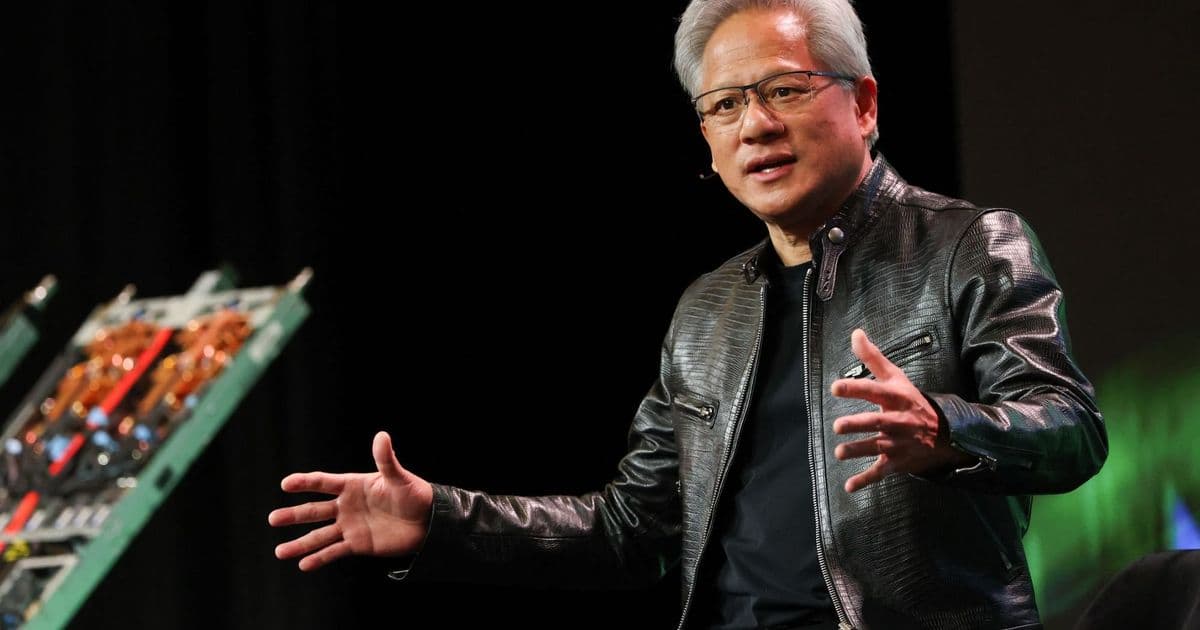
Nvidia CEO Jensen Huang's upcoming China visit coincides with critical negotiations over restricted H200 AI GPU shipments as Beijing tightens controls on foreign chips.
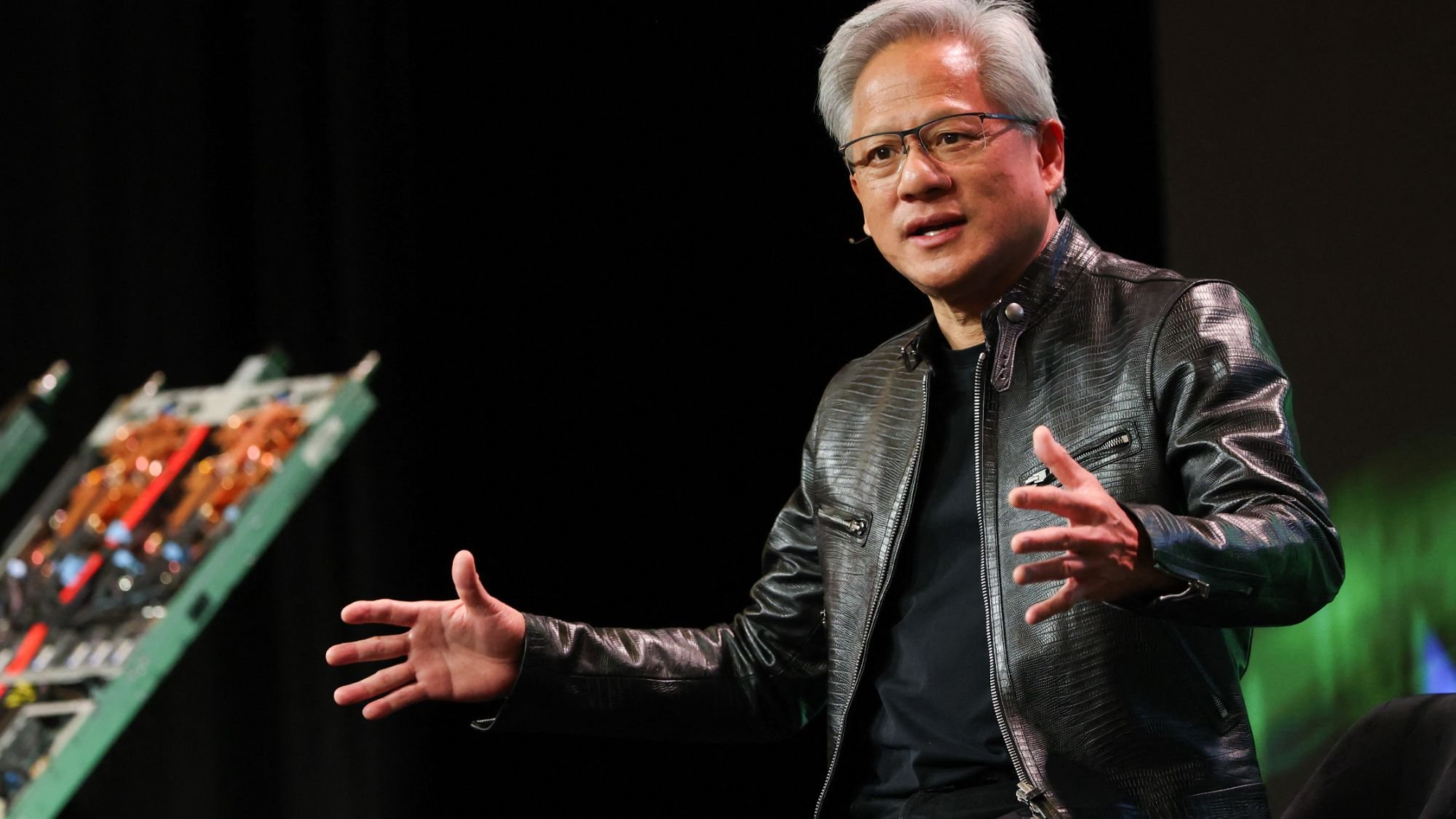
Jensen Huang, CEO of Nvidia, will travel to China in late January for Lunar New Year events, marking his first visit since the U.S. government authorized limited exports of advanced AI accelerators to Chinese firms. The trip occurs as Nvidia prepares initial shipments of its H200 GPUs, though Beijing's new restrictions on foreign chip deployment complicate market access.
Nvidia's H200 represents a significant technical advancement over previous generations, featuring 141GB of HBM3e memory with 4.8TB/s bandwidth—a 76% increase over the H100. These specifications target large-scale AI model training where memory bandwidth bottlenecks directly impact performance. For context, AMD's competing MI300X offers 192GB of HBM3 at 5.2TB/s bandwidth, though Nvidia maintains dominance through CUDA software ecosystem integration.
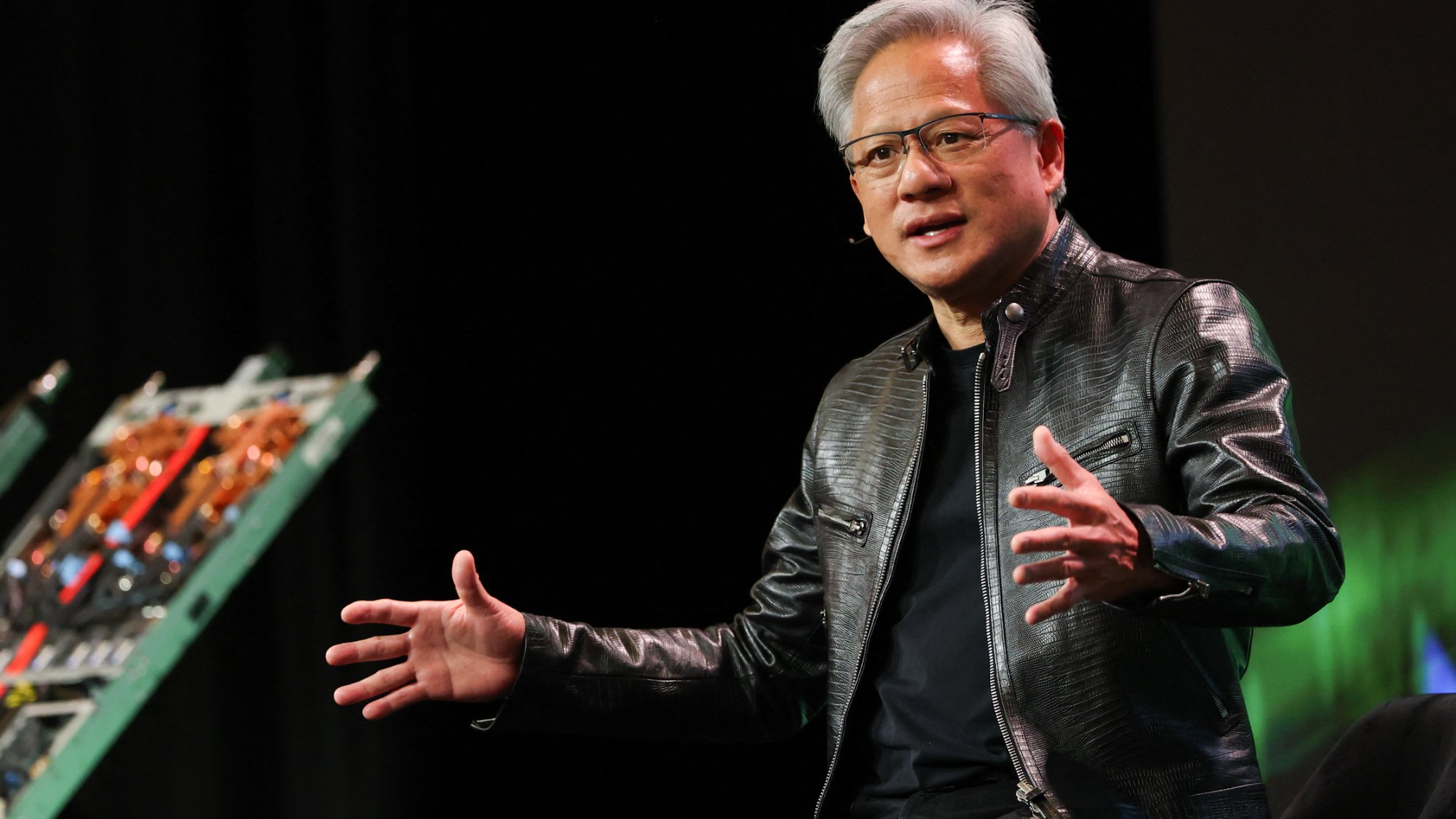 Jensen Huang's visit aims to navigate complex trade barriers.
U.S. export rules permit H200 shipments to China but cap performance at 4,800 TOPS (trillion operations per second), restricting models exceeding this threshold. China's response imposes additional layers: commercial entities like Alibaba and Baidu may receive H200s for cloud services, but deployments are prohibited for military applications, state-owned enterprises, and critical infrastructure. This bifurcation forces Nvidia to negotiate per-use-case approvals.
Market implications are substantial. China's AI accelerator market represents an estimated $7 billion annual opportunity for Nvidia, but domestic alternatives like Huawei's Ascend 910B—with 640 TOPS performance and 64GB memory—are gaining traction. Beijing's "Made in China 2025" subsidies have accelerated local GPU development, with Huawei capturing over 10% market share in 2023 according to industry analysts.
Huang's meetings with Chinese officials could determine whether Nvidia secures approvals for commercial H200 deployments this quarter. Success hinges on demonstrating irreplaceability in CUDA-dependent workloads while navigating geopolitical constraints. With China's self-sufficiency push accelerating, this visit may define Nvidia's role in a market where technical superiority no longer guarantees dominance.
 Anton Shilov is a contributing writer covering semiconductor industry trends and high-performance computing.
Comments
Please log in or register to join the discussion