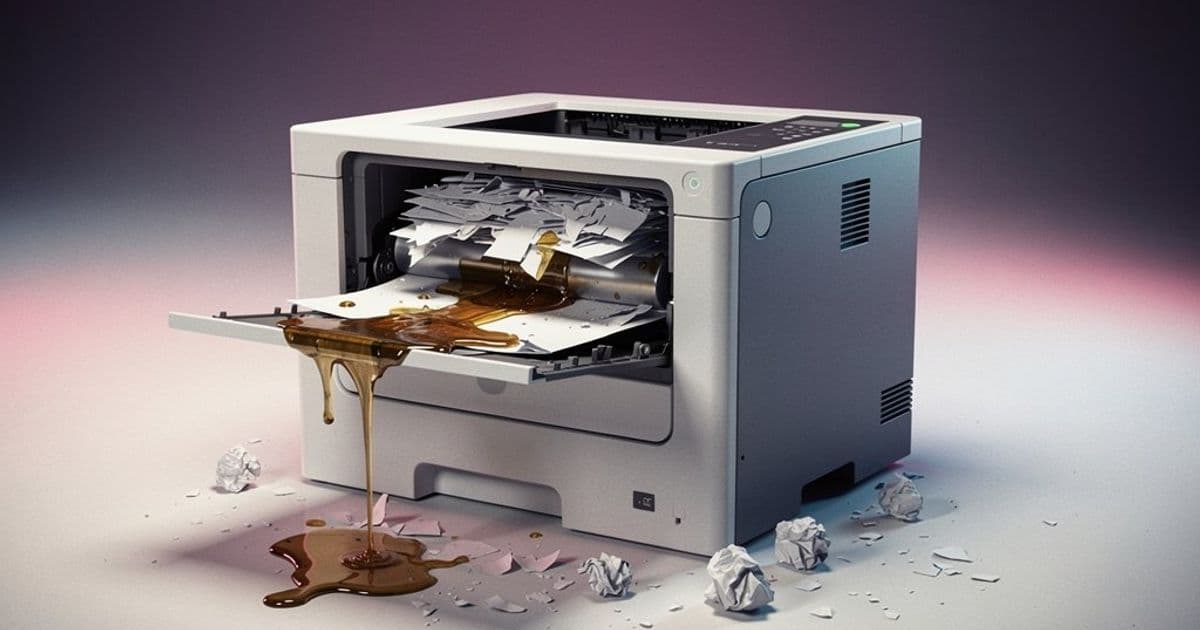
A marketing employee destroyed a leased color printer by improperly attempting to clear a paper jam, flooding the device with fuser oil and triggering new IT security protocols.

A workplace mishap involving unauthorized printer repairs has exposed vulnerabilities in equipment management protocols, resulting in significant financial loss and operational disruption. The incident occurred when a marketing employee at a leasing company attempted to fix a paper jam in a specialized color printer without consulting the IT department.
The company, which leased computer equipment as its core business, had invested in an early color printing system described by IT staff as using "large blocks of crayon that were melted and mixed with fuser oil." This oil reservoir, housed deep within the printer chassis, became the focal point of catastrophe when a marketing team member encountered a paper jam. Without notifying IT support, the employee borrowed pliers from the operations team under false pretenses, stating only that they needed the tool for an unspecified task.
Forensic analysis suggests the employee positioned the printer horizontally or upside down during the repair attempt. This orientation caused the fuser oil tank to rupture, flooding the machine's internal components. The viscous fluid short-circuited electrical systems and seeped onto surrounding furniture, rendering the printer irreparable. Cleanup operations required hours of intensive labor to remove oil residue from work surfaces.
This incident highlights critical workplace policy gaps regarding equipment access and maintenance authority. While no specific regulations like GDPR or CCPA were violated since no data breach occurred, the event demonstrates how inadequate controls over physical assets can create operational and financial risks. The company incurred direct costs from the destroyed printer—valued at several thousand dollars—plus secondary expenses from downtime and cleanup.
In response, IT leadership implemented stringent new protocols: A visible warning label now adorns replacement printers stating that any non-IT personnel attempting repairs face immediate termination. Additionally, the department enacted a complete ban on loaning tools to non-technical staff, eliminating the physical means for unauthorized interventions. Notably, the marketing employee faced no disciplinary action despite causing the damage, a decision that underscores inconsistent accountability measures.
The case serves as a cautionary tale about the cascading consequences of circumventing technical protocols. Organizations must balance accessibility with security controls, ensuring specialized equipment remains exclusively managed by trained personnel. Clear escalation paths for hardware issues, combined with role-based access restrictions, could prevent similar incidents affecting both productivity and bottom lines.
Comments
Please log in or register to join the discussion