
Meta engineers detail architectural innovations enabling privacy enforcement across generative AI systems, addressing challenges of data volume, velocity, and lineage tracking at scale.
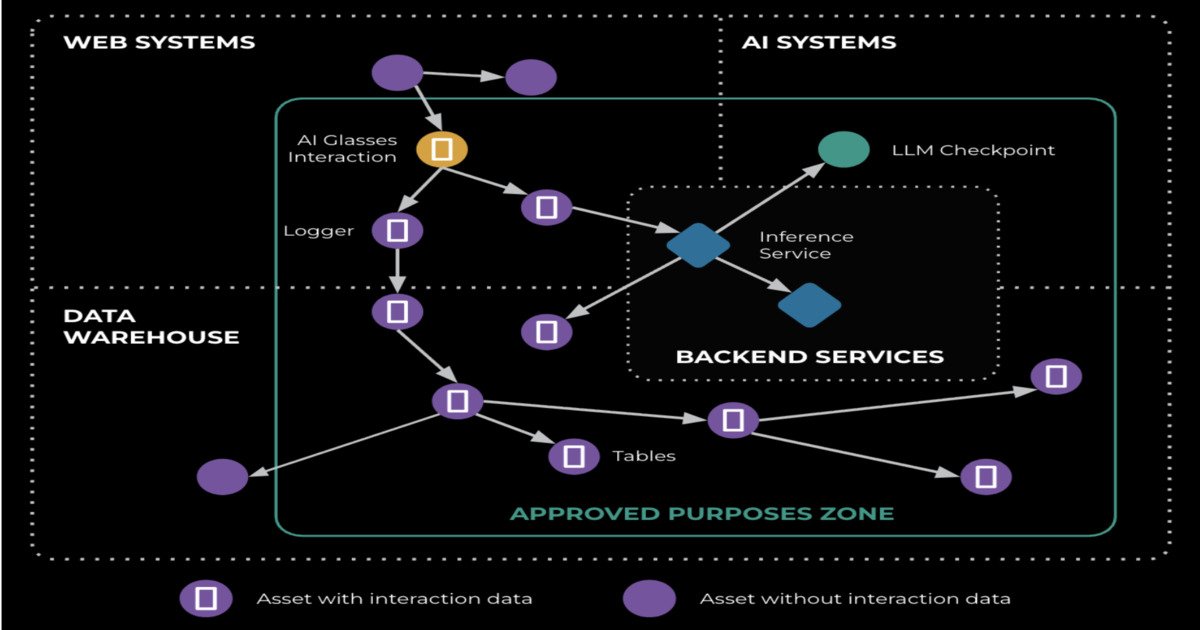
Generative AI introduces unprecedented data handling challenges: massive volumes of multimodal inputs, rapid iteration cycles, and intricate data flows spanning thousands of services. Traditional privacy review processes buckle under these demands. Meta's response—Privacy-Aware Infrastructure (PAI)—embeds privacy controls directly into storage systems, processing pipelines, and AI inference workflows. This infrastructure shift enables continuous policy enforcement without impeding development velocity.
The Lineage Backbone
At PAI's core is large-scale data lineage tracking, providing visibility into data provenance, transformation, and consumption across batch processing, real-time services, and generative AI pipelines. Without this, enforcing retention policies or access controls becomes impossible as data fragments across systems.
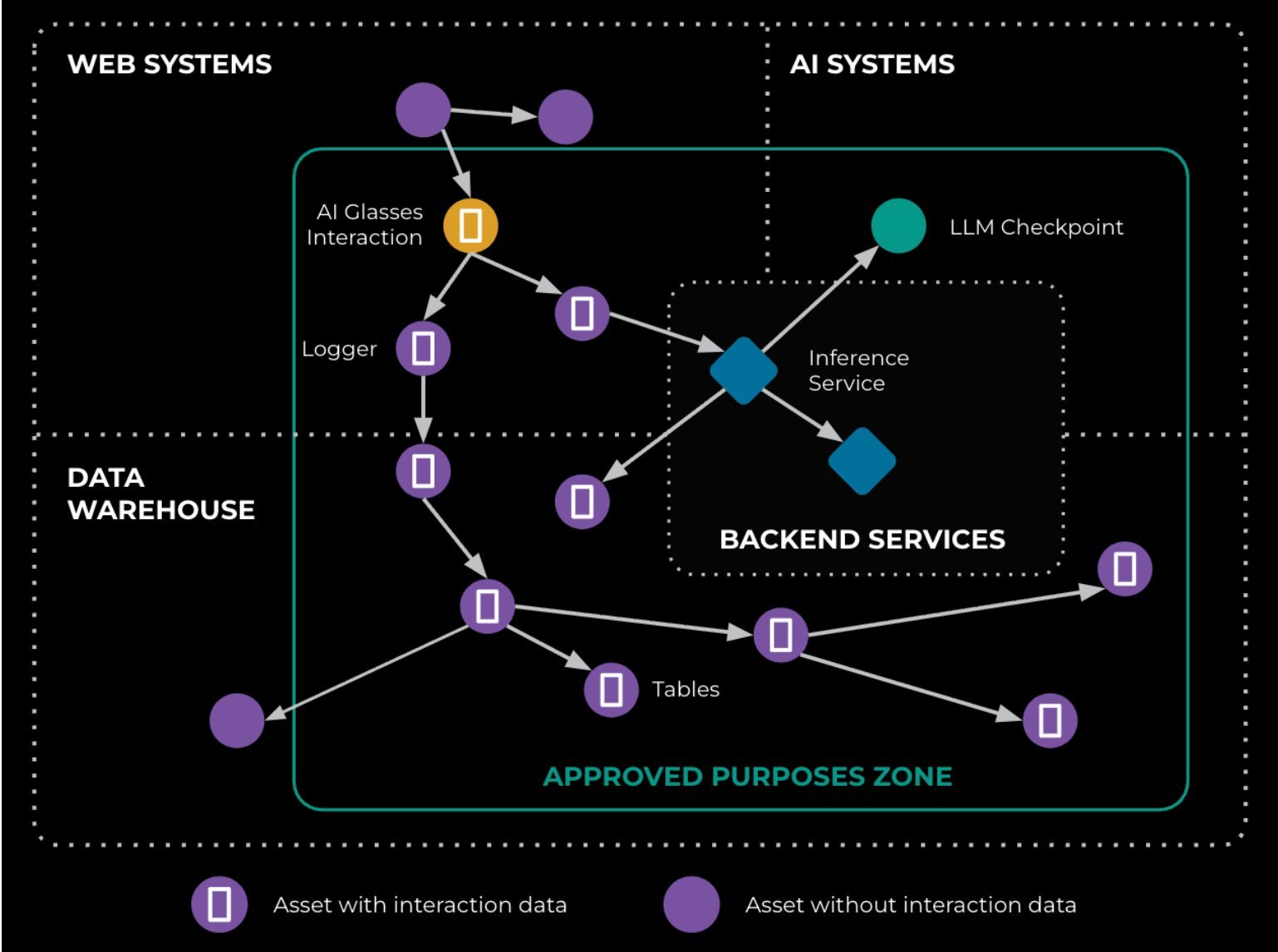 Caption: End-to-end lineage visualization for AI-glasses interactions (Source: Meta Tech Blog)
To operationalize lineage, Meta developed PrivacyLib—a shared library embedded throughout infrastructure layers. It instruments data reads/writes, attaching privacy metadata to every operation. This standardized instrumentation feeds a centralized lineage graph, eliminating per-team custom implementations.
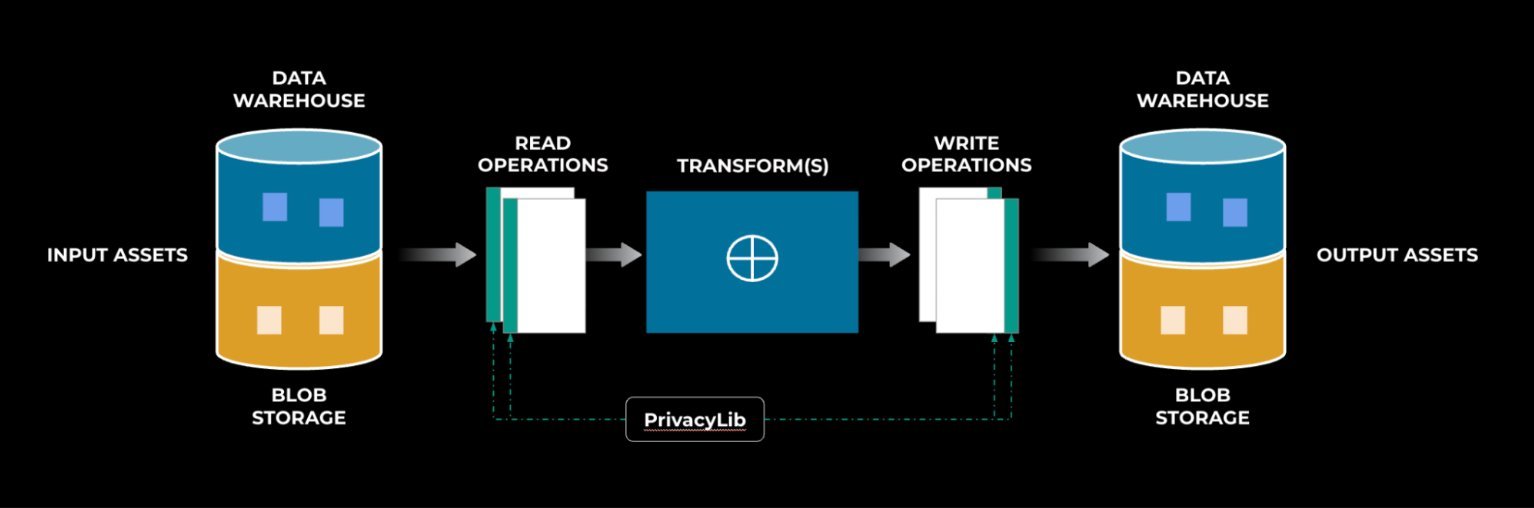 Caption: PrivacyLib's instrumentation flow across infrastructure layers (Source: Meta Tech Blog)
Runtime Enforcement
PAI introduces policy engines that evaluate data flows in real time. When a violation occurs—like unauthorized cross-system data movement—the system can log, block, or reroute transactions. Policies govern:
- Purpose-based access restrictions
- Geographic data routing constraints
- Automatic data expiration
These controls shift compliance left; policies are defined once and enforced wherever data travels.
Developer Experience
Crucially, PAI avoids creating manual review bottlenecks. Developers interact with:
- Self-service flow discovery tools mapping data interactions
- Policy-as-code interfaces for defining constraints
- Automated compliance artifacts generated during runtime
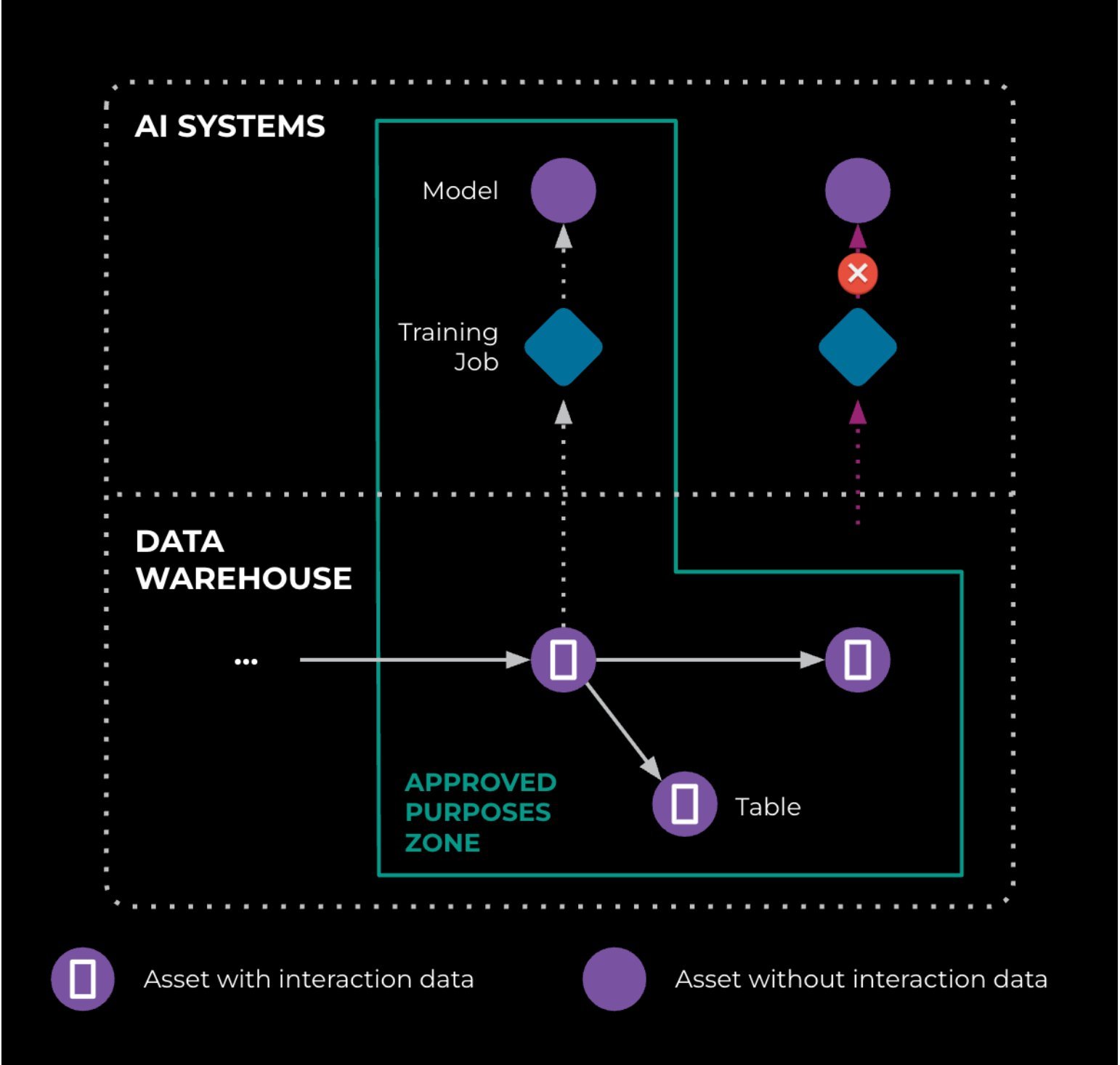 Caption: Policy Zones convert lineage into compliance evidence (Source: Meta Tech Blog)
The system organizes workflows into four continuous stages:
- Understanding data sensitivity classifications
- Discovering flow dependencies
- Enforcing policies at runtime
- Demonstrating compliance via audit trails
Tradeoffs and Evolution
While PAI handles today's scale, engineers acknowledge tradeoffs:
- Overhead: Instrumentation adds latency, optimized via selective sampling
- Complexity: Policy conflicts require resolution frameworks
- Coverage gaps: Legacy systems need gradual integration
Future work focuses on predictive policy analysis and enhanced visualization for complex AI data graphs. As Meta engineer Leela Kumili notes: "Scaling privacy for generative AI requires infrastructure that evolves as fast as the products it enables—PAI is that foundation."
For technical details, see Meta's engineering blog post and the PrivacyLib research paper.
Comments
Please log in or register to join the discussion