
Apple's new budget MacBook Neo isn't just a low-cost option—it's a strategic move that will drive innovation in MacBook Pro and Air models.
Apple's new MacBook Neo represents more than just an affordable entry point into the Mac ecosystem. While the $599 laptop targets PC and Chromebook switchers or first-time computer buyers, its existence creates a ripple effect that ultimately benefits high-end MacBook Pro and Air users.

The strategic positioning of MacBook Neo forces Apple to differentiate its premium models more aggressively. When a compelling product exists at the budget tier, Apple must work harder to justify the $1,099 MacBook Air and $1,699 MacBook Pro price points. This dynamic mirrors Apple's approach across its product lines, where strong entry models enable the company to focus on premium features for flagship devices.
Innovation Through Competition
Apple's history shows that introducing competitive budget products often accelerates innovation in higher-end models. The iPhone and iPad lines demonstrate this pattern clearly—as entry-level models become more capable, flagship versions must offer increasingly sophisticated features to maintain their premium positioning.
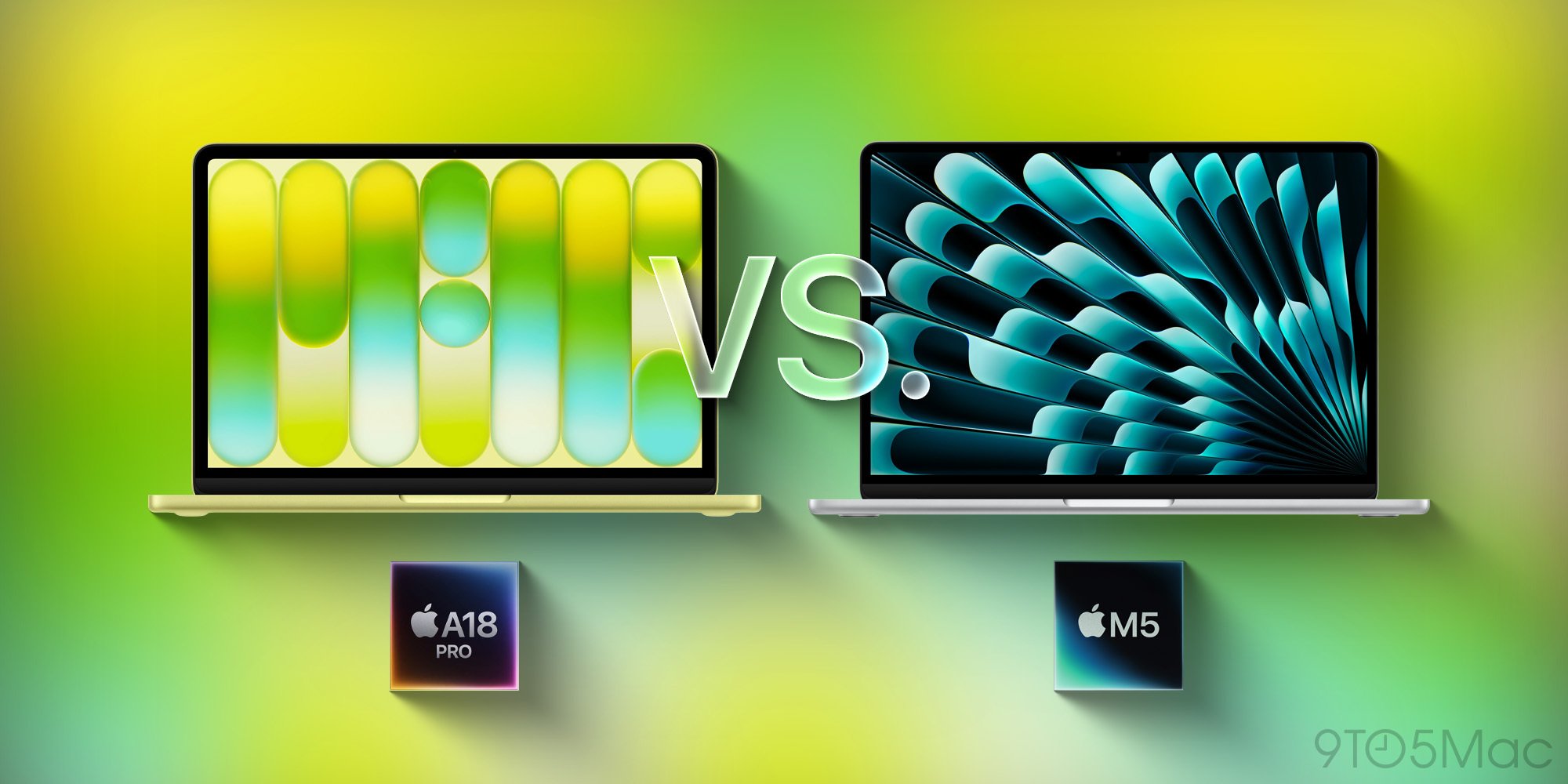
Current rumors about the M6 MacBook Pro suggest this competitive pressure is already driving innovation. Expected features like touch support, OLED displays, and the Dynamic Island interface represent technologies new to the Mac platform. These innovations likely wouldn't materialize as quickly without the pressure from budget-friendly alternatives.
The Feature Migration Pattern
The MacBook Neo's success creates a predictable technology migration path. Premium features introduced in high-end models eventually trickle down to more affordable options, but only when Apple has new exclusive upgrades ready for flagship devices. This staged rollout ensures each product tier maintains clear differentiation while still benefiting from technological progress.
For instance, OLED displays might debut on MacBook Pro before appearing on MacBook Air, and touch interfaces could follow a similar trajectory. The Dynamic Island, already proven on iPhones, represents another feature that could enhance the Mac experience while remaining exclusive to premium models initially.
Long-term Benefits for All Users
Even if MacBook Neo isn't the right choice for current Mac users, its existence strengthens the entire product lineup. The budget model pushes Apple to continuously improve its premium offerings, ensuring that future MacBook Pro and Air purchases deliver more value and innovation.
This ecosystem approach means that every MacBook Neo buyer indirectly contributes to advancing Apple's laptop technology across all price points. The pressure to maintain premium appeal drives research and development that eventually benefits every Mac user, regardless of which model they choose.
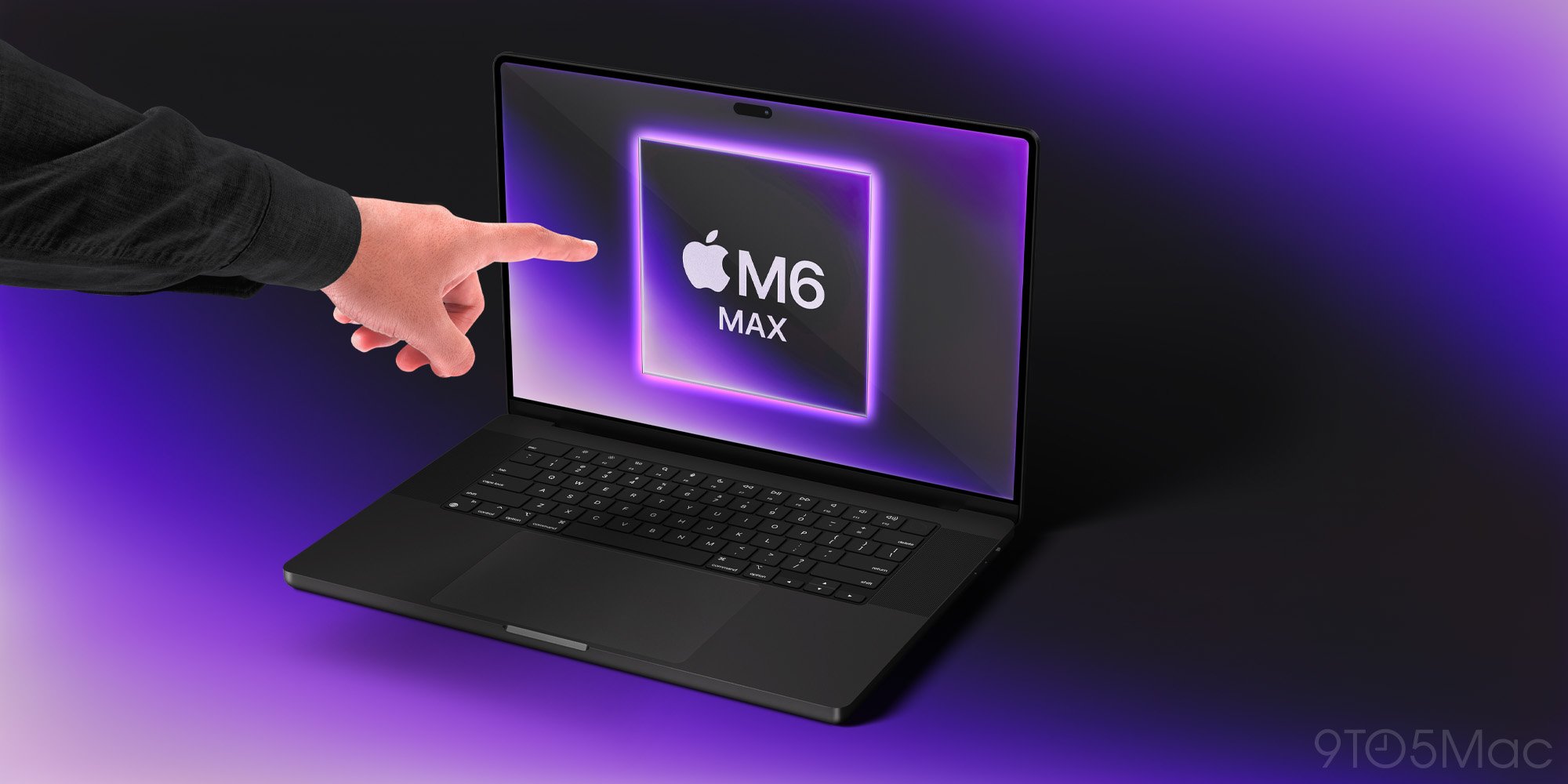
The MacBook Neo strategy exemplifies Apple's broader approach to product development: creating a strong foundation at the entry level while using that foundation to justify and drive innovation in premium offerings. For high-end Mac users, this means more frequent and meaningful upgrades to MacBook Pro and Air models in the years ahead.
As Apple continues refining its laptop lineup, the interplay between budget and premium models will likely produce increasingly sophisticated features that make high-end MacBooks more compelling than ever. The MacBook Neo might not be designed for power users, but it's already shaping the future of Apple's entire laptop ecosystem.
Comments
Please log in or register to join the discussion