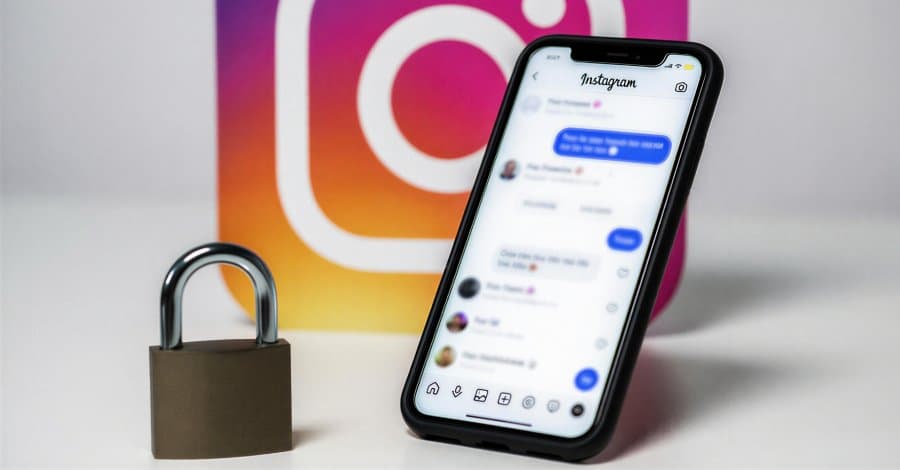
Meta will discontinue end-to-end encryption for Instagram DMs after May 8, 2026, citing low adoption rates and shifting focus to WhatsApp for secure messaging.
Meta has announced plans to discontinue support for end-to-end encryption (E2EE) for chats on Instagram after May 8, 2026. The social media giant revealed the decision in a help document, stating that users with affected chats will receive instructions on how to download any media or messages they wish to keep. Additionally, users on older versions of Instagram may need to update their app before they can download their affected chats.
When reached for comment, Meta provided the following statement: "Very few people were opting in to end-to-end encrypted messaging in DMs, so we're removing this option from Instagram in the coming months. Anyone who wants to keep messaging with end-to-end encryption can easily do that on WhatsApp."
The American company first began testing E2EE for Instagram direct messages in 2021 as part of CEO Mark Zuckerberg's "privacy-focused vision for social networking." The feature was initially "only available in some areas" and was not enabled by default. However, weeks into the Russo-Ukrainian war in February 2022, Meta made encrypted direct messaging available to all adult users in both countries.
This development comes days after TikTok announced it does not plan to introduce E2EE to secure direct messages on its platform. The company told BBC News that the technology makes users less safe and that it wants to protect users, especially young people, from harm.
Late last month, Reuters reported that Meta proceeded with plans to adopt encryption messaging services in Facebook and Instagram despite internal warnings in 2019 that doing so would hinder the company's ability to detect illegal activities, such as child sexual abuse material (CSAM) or terrorist propaganda, and flag them to law enforcement.
E2EE has been hailed as a win for privacy, as it ensures that only communicating users can decrypt and read messages, thereby locking out service providers, bad actors, and other third parties from accessing or intercepting the data. However, law enforcement and child safety advocates have argued that the technology creates a safe space for criminals, as it prevents companies from complying with warrants to turn over message content – a problem referred to as the "Going Dark" phenomenon.
This year, the European Commission is expected to present a Technology Roadmap on encryption to identify and evaluate solutions that enable lawful access to encrypted data by law enforcement, while safeguarding cybersecurity and fundamental rights.
The decision to discontinue E2EE on Instagram raises important questions about the future of privacy-focused features on social media platforms. While Meta maintains that WhatsApp remains a viable option for users seeking end-to-end encryption, the move suggests a strategic shift away from implementing such features across its entire ecosystem.
For Instagram users who have come to rely on the E2EE feature, the upcoming change may require adjustments to their communication habits. The company's recommendation to use WhatsApp for encrypted messaging highlights the growing importance of that platform within Meta's portfolio of services.
As the May 2026 deadline approaches, users should prepare by reviewing their chat history and downloading any important conversations or media they wish to preserve. The transition period will be crucial for ensuring that users can maintain access to their data while adapting to the new messaging landscape on Instagram.
The broader implications of this decision extend beyond just Instagram users. It reflects the ongoing tension between privacy advocates who champion end-to-end encryption and law enforcement agencies who argue that such technology hampers their ability to investigate crimes. As platforms like Instagram move away from E2EE, the debate over the balance between privacy and security is likely to intensify.
For now, Instagram users have until May 2026 to familiarize themselves with the changes and make necessary arrangements for their messaging needs. Whether this marks the beginning of a trend away from E2EE on mainstream social platforms remains to be seen, but it certainly signals a significant shift in Meta's approach to user privacy and data protection.
Comments
Please log in or register to join the discussion