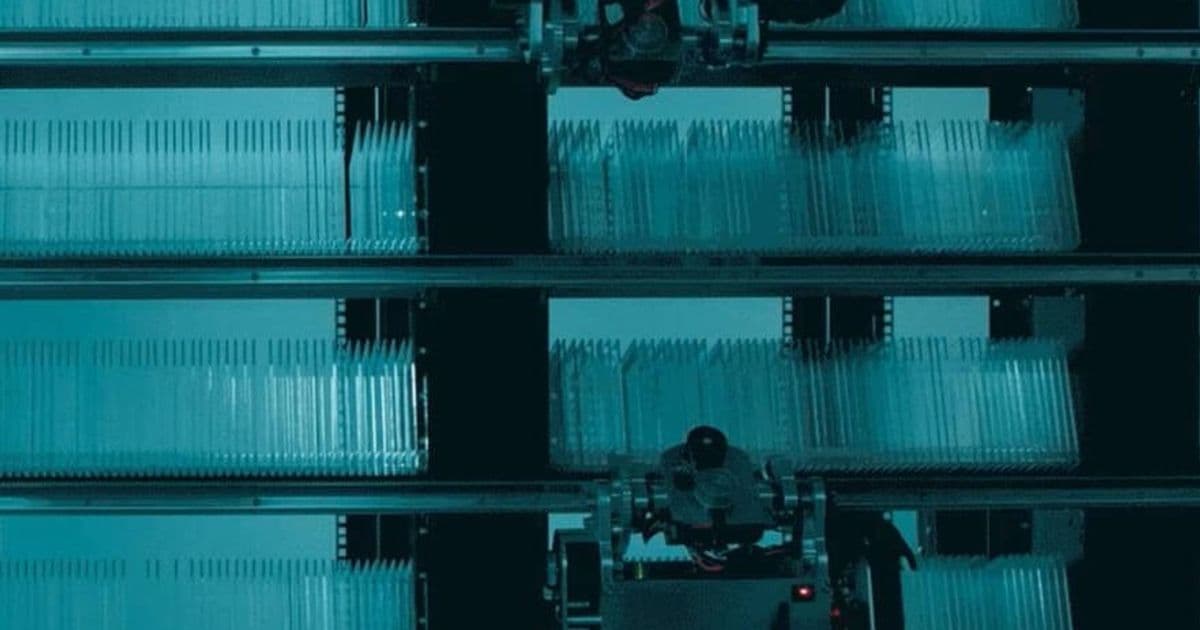
Microsoft researchers have demonstrated a breakthrough in archival storage technology using common borosilicate glass, achieving 2TB capacity per plate with potential longevity exceeding 10,000 years while significantly reducing production costs.
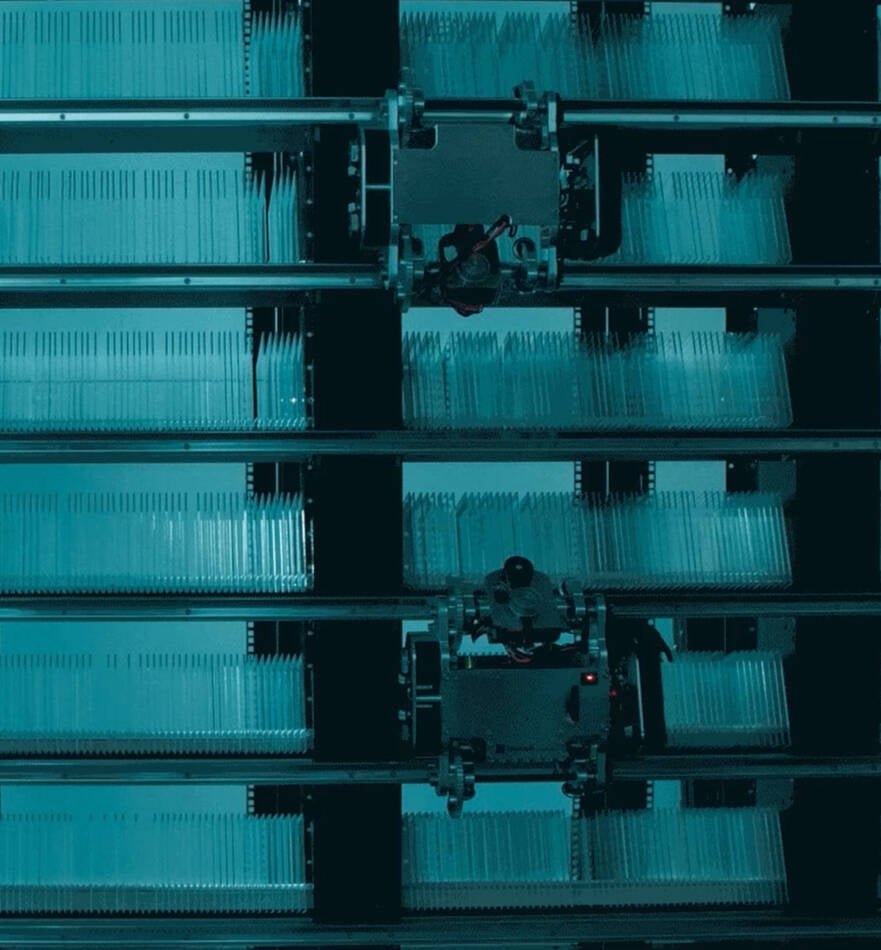
Microsoft has unveiled substantial advancements in its Project Silica initiative, demonstrating that commercially available borosilicate glass—commonly used in products like Pyrex cookware—can effectively store digital data for millennia. This development addresses critical challenges in long-term data preservation where traditional magnetic tape and hard disks degrade within decades.
Technical Implementation Requirements
The system employs femtosecond lasers to encode data as three-dimensional voxels within 2mm-thick glass plates. Unlike earlier prototypes requiring specialized fused silica glass, the new approach uses standard borosilicate substrates, slashing material costs while maintaining durability against environmental threats like moisture, heat, and physical wear. Each 75×75mm plate stores data across 258 layers, achieving 2.02TB capacity—approximately half the density of fused silica prototypes but with significantly faster write speeds ranging from 18.4Mbps to 65.9Mbps depending on beam configuration.
Operational Improvements
Key technical refinements include:
- Phase-Based Voxels: Replacing earlier birefringent voxels with single-pulse phase-encoded structures (technical documentation)
- Parallel Writing: Multiple laser beams simultaneously etching data layers
- Simplified Read Architecture: Reducing required cameras from 3-4 to a single unit
Machine learning algorithms compensate for interference patterns in phase-based voxels, maintaining data integrity during retrieval. Accelerated aging simulations indicate negligible data degradation over 10,000+ years—a critical advantage over flash storage which can fail within years when unpowered.
Practical Deployment Timeline
While Microsoft confirms the research phase is complete, productization remains undefined. The technology currently suits write-once/read-many archival scenarios like legal records, scientific data, and cultural preservation. Enterprises should note:
- Current areal density (2TB/plate) limits near-term viability for high-volume archives
- Write speeds require further optimization for petabyte-scale deployment
- Industrial laser systems need cost reduction for mass adoption
Project Silica represents a viable path toward solving bit rot in perpetual storage. Organizations prioritizing century-scale data retention should monitor Microsoft's commercialization plans while evaluating supplemental solutions like magnetic tape for medium-term needs.
Comments
Please log in or register to join the discussion