
Microsoft Azure and Intel have co-developed Efficiency Latency Control technology to dynamically manage CPU uncore power consumption, reducing server energy use by up to 11% without compromising performance.

Cloud providers face an ongoing tension between performance demands and power efficiency. Microsoft Azure's collaboration with Intel on Efficiency Latency Control (ELC) addresses this challenge through hardware/software co-design that dynamically adjusts power to CPU uncore components – the mesh interconnect, memory controllers, and I/O subsystems outside processor cores.
Traditional CPU power management struggles with diurnal workload patterns where servers run at low utilization during off-peak periods. Even when cores enter low-power states, uncore components typically remain fully active when any core is awake – including during maintenance tasks or low-traffic intervals. This results in significant wasted energy.
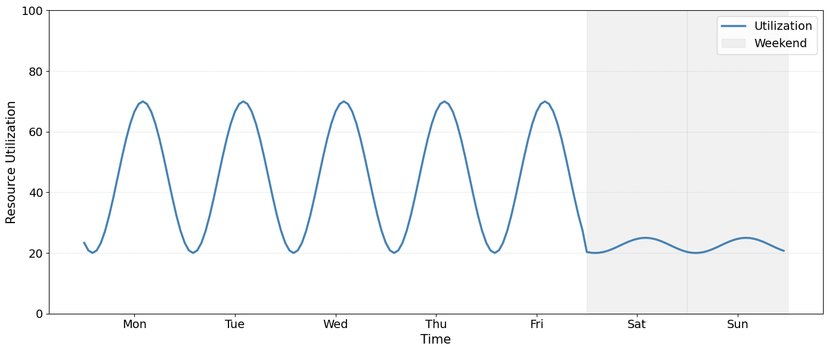 Figure 1: Diurnal workload patterns showing periods of low server utilization
ELC introduces adaptive frequency scaling controlled through three configurable power profiles:
- Latency-Optimized (Config #1): Maintains maximum uncore frequency at all utilization levels
- Power-Efficient (Config #2): Prioritizes energy savings during very low utilization
- Balanced (Config #3): Optimizes performance-per-watt across utilization levels
The system operates through CPU utilization thresholds. When utilization drops below a defined low threshold, uncore frequency scales down to conserve power. As utilization increases, frequency scales up through mid and high settings to maintain performance.
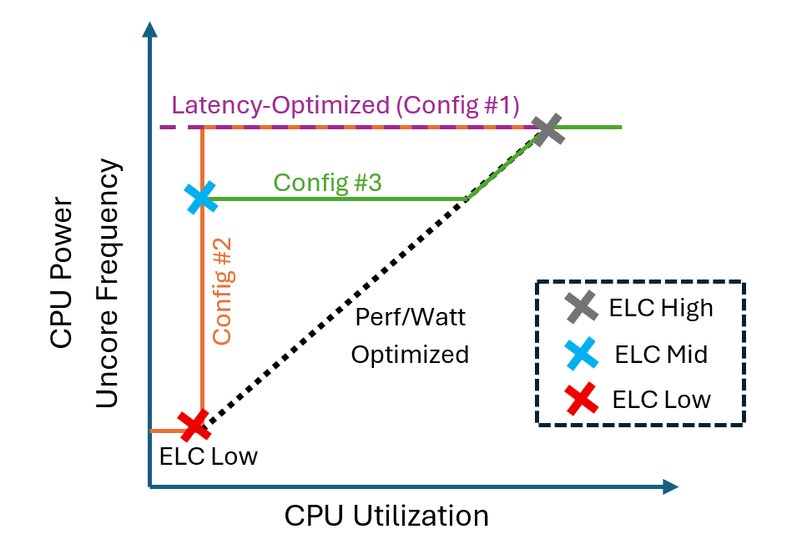 Figure 2: ELC configuration strategies showing latency/power tradeoffs
Real-world testing demonstrates significant efficiency gains:
- 11% power reduction under moderate SPEC CPU Integer workloads with Config #3 versus Config #1
- 1.5× improvement in performance-per-watt during light storage operations
- Comparable performance to always-max configurations during peak demand
These efficiency gains translate directly into business impact. Azure can deploy more servers within existing power budgets while maintaining service levels. For a hyperscale operator, even single-digit percentage power reductions represent millions in annual savings and reduced carbon footprint.
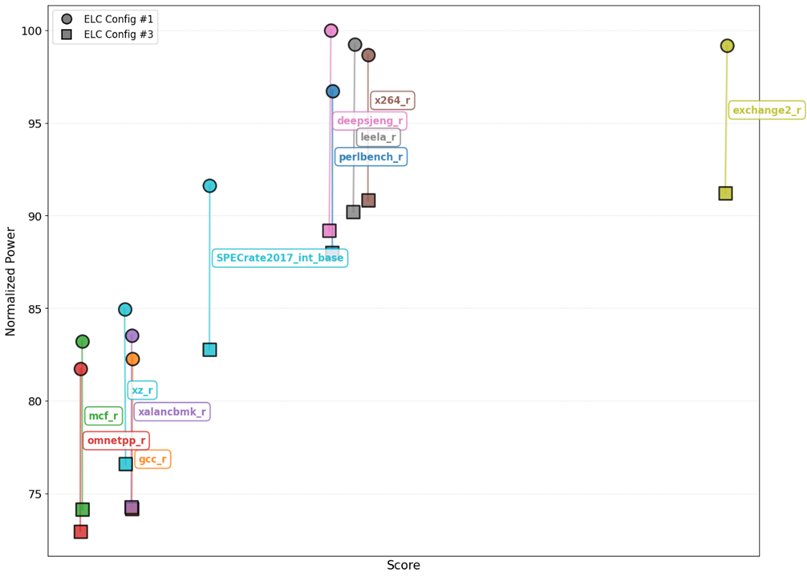 Figure 3: Power savings under moderate CPU workloads
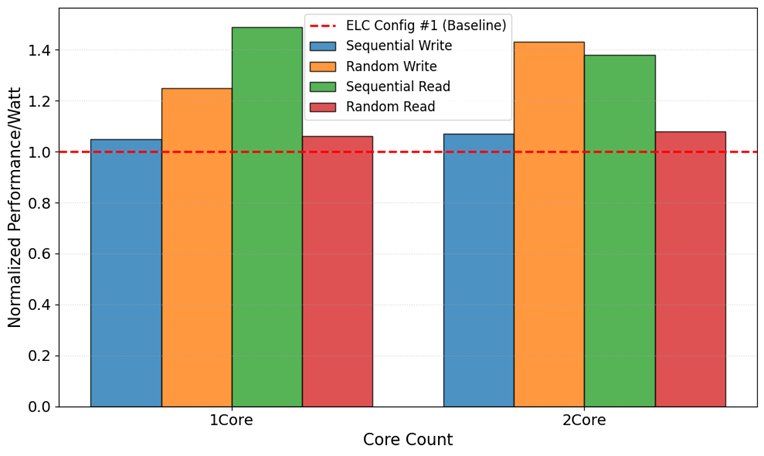 Figure 4: Performance-per-watt gains during light storage operations
ELC is now available on Intel's Xeon 6 (Granite Rapids) processors powering Azure infrastructure. This collaboration demonstrates how cloud providers and silicon vendors must jointly innovate to address the energy constraints of modern data centers. Future developments will likely extend these principles to other platform components as sustainability becomes a competitive differentiator.
For technical implementation details, see Intel's Performance and Power Profiles documentation.
Comments
Please log in or register to join the discussion