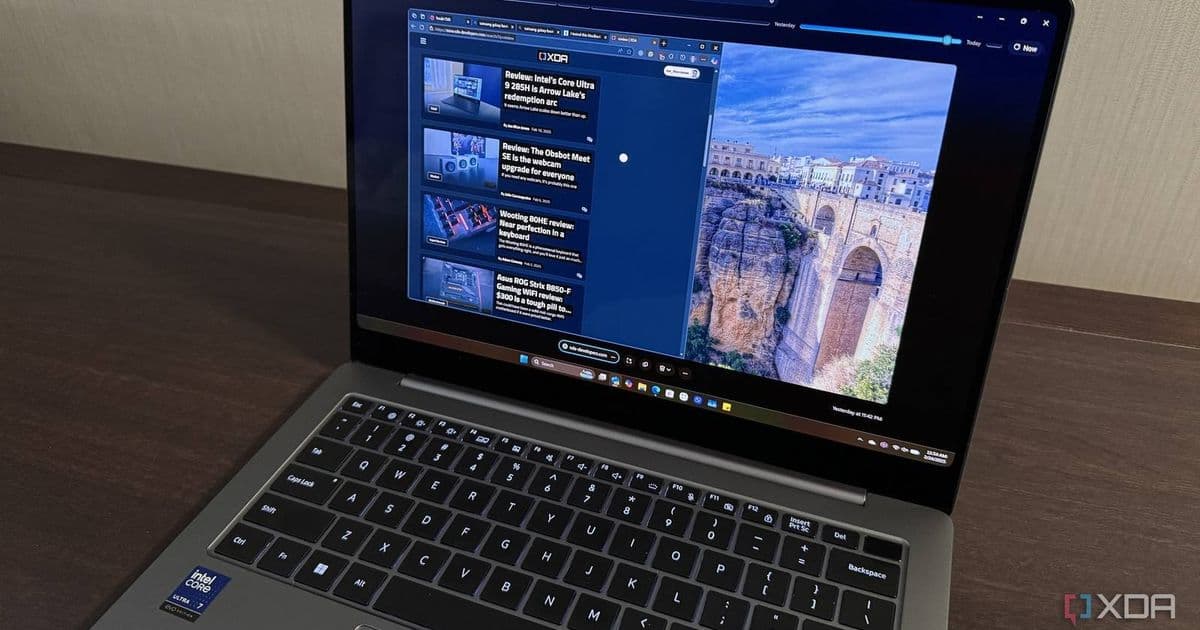
Cybersecurity researcher Alexander Hagenah has demonstrated a new method to extract Recall data without breaking the vault, but Microsoft claims the exploit falls within intended security boundaries.
A cybersecurity researcher has once again demonstrated how Microsoft's Recall feature can be exploited to access sensitive user data, though the company maintains the vulnerability falls within its intended security framework.
The Latest Recall Exploit
Alexander Hagenah, the same researcher who previously created the TotalRecall tool that contributed to Microsoft delaying Recall's initial rollout, has returned with a new method called TotalRecall Reloaded. This latest exploit targets the data delivery mechanism rather than attempting to break into Recall's encrypted vault directly.
As Hagenah explains, "The vault is solid. The delivery truck is not." His new approach works by injecting code into AIXHost.exe through COM calls, allowing it to capture decrypted screenshots, OCR text, and metadata as they're transmitted. Critically, this method doesn't require administrator privileges or kernel-level access, making it more accessible to potential attackers.
Microsoft's Response
The company was informed about this vulnerability a month before Hagenah's public release, but Microsoft's assessment differs significantly from the researcher's concerns. David Weston, Microsoft's corporate vice president of security, stated that the exploit "is consistent with intended protections and existing controls, and do not represent a bypass of a security boundary or unauthorized access to data."
Microsoft emphasizes that its authorization system includes timeouts and anti-hammering protection to limit the impact of malicious queries. The company maintains that these measures align with their security design philosophy for Recall.
Technical Details of the Exploit
TotalRecall Reloaded operates by intercepting data during the transmission phase between Recall's secure storage and the application layer. This approach bypasses the need to crack encryption by capturing information after it has been decrypted for legitimate use but before it's displayed to the user.
The exploit's ability to function without elevated privileges is particularly concerning, as it lowers the technical barrier for potential attackers. Traditional security models often rely on requiring administrator access to prevent unauthorized data access, but this method circumvents that protection layer entirely.
Context and Implications
This isn't the first time Recall has faced security scrutiny. The feature, designed to take periodic screenshots of user activity for AI-powered search and recall functionality, has been controversial since its announcement. Privacy advocates and security researchers have consistently raised concerns about the potential for sensitive data exposure.
The timing is notable as well. Recall was initially delayed and reworked following the original TotalRecall demonstration, with Microsoft promising enhanced security measures. This new exploit suggests that fundamental architectural challenges remain in securing a feature that inherently captures and processes user activity data.
Industry Response
While Microsoft downplays the severity, the broader security community appears more concerned. The fact that a researcher can demonstrate data extraction without requiring elevated privileges represents a significant security consideration, particularly for enterprise environments where Recall might be deployed.
The debate highlights an ongoing tension between innovative AI features and security best practices. Features like Recall offer powerful functionality but create new attack surfaces that traditional security models weren't designed to address.
What This Means for Users
For now, Microsoft's stance suggests no immediate changes to Recall's implementation are planned. Users concerned about privacy may want to consider whether the benefits of Recall outweigh the potential risks, particularly in environments where sensitive data is regularly accessed.
The situation also underscores the importance of ongoing security research and responsible disclosure practices. Hagenah's approach of informing Microsoft before public release demonstrates how the security community can work with vendors to address vulnerabilities, even when there's disagreement about severity.
As AI-powered features become more integrated into operating systems, the security challenges they present will likely continue to evolve. The Recall saga serves as a case study in balancing innovation with security, and how different stakeholders interpret the same technical findings through varying lenses of risk and benefit.
For users and administrators, the key takeaway is that even features with robust encryption can have vulnerabilities in their implementation details. The "delivery truck" problem Hagenah identified reminds us that security isn't just about protecting data at rest, but also about securing it throughout its entire lifecycle.
Comments
Please log in or register to join the discussion