
Microsoft is launching significant updates to its AI Cloud Partner Program benefits packages in February 2026, adding new AI-powered marketing tools, expanded security offerings, and additional Microsoft 365 Copilot licenses including Dragon Copilot. These changes arrive at a critical time for partners planning their annual renewals and strategic investments.
Microsoft has announced substantial updates to its partner benefits packages, set to arrive in February 2026. The enhancements focus on three key areas: expanded security benefits, a new AI-powered Partner Marketing Center, and additional Microsoft 365 Copilot licenses including the specialized Dragon Copilot. These changes come as part of the ongoing evolution of the Microsoft AI Cloud Partner Program, which aims to provide partners with the tools needed to build, market, and scale solutions for cloud and AI innovation.
What's Changing in the 2026 Partner Benefits
The updates represent a strategic shift toward providing partners with more comprehensive tools for the entire customer lifecycle. According to Steve Thomas, Director of Partner Programs & Experiences, the new benefits are designed to enable partners to "drive profitability across the full customer lifecycle––not just at the point of sale."
The expanded security benefits likely include additional Azure Security Center credits, enhanced threat detection capabilities, and possibly new compliance tools. While Microsoft hasn't specified exact details, these additions align with the growing emphasis on security within the Microsoft ecosystem, particularly as partners build AI-powered solutions that require robust security postures.
The new AI-powered Partner Marketing Center represents a significant investment in partner demand generation. This tool will likely leverage Microsoft's own AI capabilities to help partners create targeted marketing campaigns, analyze market trends, and identify potential customers. For partners without dedicated marketing teams, this could level the playing field against larger competitors.
Most notably, the addition of Microsoft 365 Copilot licenses, including Dragon Copilot, brings AI capabilities directly into the partner toolkit. Microsoft Dragon Copilot is the AI-powered clinical documentation assistant designed for healthcare providers, suggesting Microsoft is targeting specific industry verticals with these benefits. Partners in healthcare can now more easily integrate AI-powered documentation tools into their solutions.
Strategic Value for Partners
These updates arrive at a crucial time for the partner ecosystem. The Microsoft AI Cloud Partner Program already provides partners with discounted licenses, Azure credits, and personalized support at a fraction of retail value. The new enhancements build on this foundation by addressing three critical partner needs:
Security Expansion: As partners build AI solutions, security requirements become more complex. Additional security benefits help partners meet compliance requirements and build trust with enterprise customers.
Marketing Enablement: The AI-powered Partner Marketing Center addresses a common partner challenge: creating effective marketing campaigns without extensive resources. This could be particularly valuable for smaller partners or those in specialized verticals.
AI Tool Access: By including Microsoft 365 Copilot and Dragon Copilot licenses, Microsoft is essentially providing partners with the very tools they might want to resell or integrate into their solutions. This creates a "dog fooding" opportunity where partners can experience Microsoft's AI capabilities firsthand.
Timing and Renewal Considerations
The February 2026 arrival date creates a strategic decision point for partners. Microsoft explicitly advises partners to "plan now to maximize value," suggesting that the timing of purchases or renewals could impact the benefits partners receive.
Partners currently enrolled in the program should review their current package alignment with these new offerings. The announcement mentions that partners should "purchase or renew the package that best aligns to your organization's needs," indicating that different benefit tiers may receive different levels of these new enhancements.
For partners considering their first enrollment, the February timeline provides a window to evaluate how these new benefits align with their 2026 business strategy. The expanded offerings may make certain package tiers more attractive depending on whether a partner's focus is security, AI development, or specific industry verticals like healthcare.
Context Within Microsoft's Partner Ecosystem
These updates continue Microsoft's strategy of deepening partner integration. The program's strength lies in its "scale and maturity" combined with "a deeply embedded co-sell and services model" across both SMB and enterprise markets. By adding AI-powered tools and expanded security offerings, Microsoft is essentially giving partners more reasons to stay within its ecosystem rather than looking to competitors like AWS or Google Cloud.
The timing also aligns with broader industry trends. As AI adoption accelerates across enterprises, partners need tools to build, market, and sell AI solutions. Microsoft's approach of providing partners with the same AI tools they're expected to resell creates a compelling value proposition: partners can build expertise using the same technologies they'll be implementing for customers.
Strategic Implications for Partner Business Models
For partners, these changes could influence several aspects of their business:
Solution Development: Access to additional Microsoft 365 Copilot and Dragon Copilot licenses means partners can more easily build and test integrations with these AI tools. This is particularly relevant for ISVs developing applications that extend Microsoft's AI capabilities.
Go-to-Market Strategy: The AI-powered Partner Marketing Center could reshape how partners approach demand generation. Instead of relying on traditional marketing methods, partners might use AI to identify high-potential customer segments and create personalized outreach campaigns.
Security Positioning: Enhanced security benefits allow partners to position themselves more strongly in security-conscious markets. This is especially important as regulatory requirements around AI and data privacy continue to evolve.
Vertical Specialization: The inclusion of Dragon Copilot suggests Microsoft is encouraging partners to develop deeper vertical expertise. Partners in healthcare, finance, or other regulated industries can leverage these specialized tools to differentiate their offerings.
Action Items for Partners
Partners should take several steps to prepare for these changes:
Review Current Package: Assess whether your current partner benefits package will include the new enhancements or if an upgrade is warranted.
Evaluate AI Readiness: Consider how your team will leverage the new AI-powered marketing tools and Copilot licenses. Training and change management may be necessary.
Plan Renewal Timing: Since benefits arrive in February, partners should align their renewal schedules to ensure they receive the new offerings without interruption.
Assess Security Needs: Review your current security posture and determine how the expanded security benefits can help address gaps or compliance requirements.
Explore Vertical Opportunities: If you operate in healthcare or other specialized industries, evaluate how Dragon Copilot and other vertical-specific tools could enhance your solutions.
Looking Ahead
These updates signal Microsoft's continued investment in its partner ecosystem as the company navigates the transition to AI-powered cloud services. By providing partners with more comprehensive tools across the customer lifecycle, Microsoft is addressing a key challenge in the partner model: ensuring partners can maintain profitability beyond initial sales.
The emphasis on AI-powered marketing tools and AI license access also reflects the reality that partners themselves need to become AI-enabled to effectively sell and implement AI solutions. Microsoft is essentially creating a virtuous cycle where partners use Microsoft's AI tools to build and market solutions that incorporate those same AI capabilities.
For the broader cloud ecosystem, these changes highlight how major providers are increasingly competing on partner enablement rather than just technical capabilities. As AWS and Google Cloud continue to expand their own partner programs, Microsoft's move to add AI-powered marketing tools and expanded security offerings sets a new benchmark for what partners should expect from their cloud provider relationships.
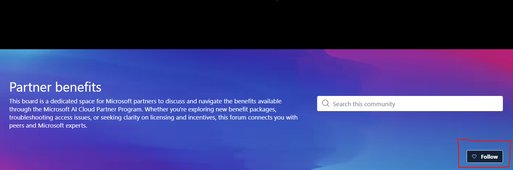
Partners interested in these updates should monitor the Microsoft Partner Community for detailed announcements and follow the partner benefits board for ongoing updates. The February 2026 timeline provides approximately 13 months for partners to plan their strategy and ensure they're positioned to maximize the value of these new benefits.

The expanded benefits arrive as Microsoft continues to emphasize its AI Cloud Partner Program as a foundation for partner growth. By connecting technology, resources, and support in ways that reflect how partners actually operate, Microsoft aims to enable partners to scale customer solutions more efficiently while maintaining profitability across the full customer lifecycle.
As the February 2026 launch approaches, partners should begin evaluating how these new benefits align with their strategic objectives and consider the optimal timing for purchases or renewals to ensure they don't miss out on the expanded value proposition.
Comments
Please log in or register to join the discussion