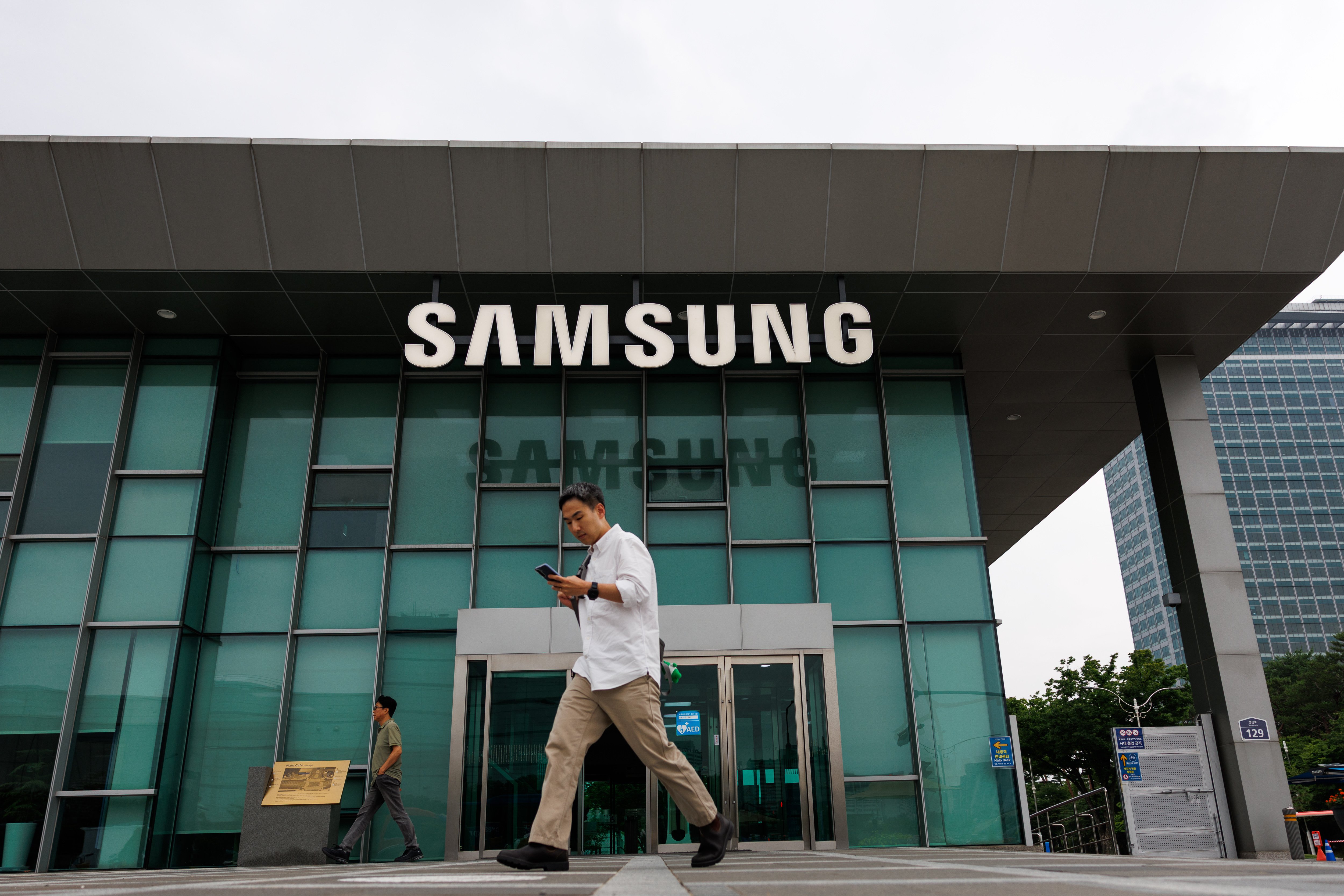
Samsung has officially refuted circulating rumors claiming an across-the-board 80% price increase for its entire memory product line, calling the figure a fabrication. The denial comes as the semiconductor industry grapples with severe supply constraints, with DRAM prices having already surged 171% year-over-year due to AI-driven demand.
Samsung's public relations team moved swiftly to counter a viral rumor this morning, denying claims that the company plans to implement an unprecedented 80% price hike across its entire memory product portfolio. The rumor, which gained traction on social media platforms, originated from what appeared to be an official distributor notice citing "significant changes in the global semiconductor market" as justification for the steep increase.
Taiwanese newspaper United Daily News reports that both Samsung and multiple memory module manufacturing partners have confirmed the 80% figure is a complete fabrication. While the industry is indeed experiencing price adjustments due to supply constraints, sources indicate no such unilateral 80% increase is part of Samsung's current strategy. The report notes that some distributors have independently raised prices in response to market pressures, but manufacturers have not received any official correspondence from Samsung regarding such a dramatic price adjustment.
The rumor gained apparent credibility when an X investment account shared the alleged document, claiming verification through a "DS Giheung employee's firsthand account." DS Giheung refers to Samsung's Giheung Device Solutions campus, the company's primary memory manufacturing and design facility. This specific detail lent the rumor enough weight to trigger widespread concern across the tech industry.
Context: A Market Under Extreme Pressure
While the 80% figure appears to be misinformation, the underlying market conditions that made the rumor believable are very real. The memory sector has experienced unprecedented volatility over the past 18 months, driven primarily by explosive demand from AI data center infrastructure.
From 2024 to 2025, DRAM prices increased 171% year-over-year—a surge that outpaced even the value of gold during the same period. This extraordinary price appreciation stems from a fundamental supply-demand imbalance: AI training and inference workloads require massive amounts of high-bandwidth memory, while production capacity has been constrained by manufacturing complexity and limited fab expansion timelines.
Samsung itself experienced dramatic price movements on individual memory chips last year. Between September and November 2025, the company's memory chip prices increased by approximately 60% in just two months. This rapid escalation reflects the acute shortage of specific memory types, particularly DDR5 and high-bandwidth memory (HBM) used in AI accelerators.
Supply Chain Dynamics and Strategic Shifts
The memory market's current state has forced manufacturers to make difficult strategic decisions. Samsung's recent decision to delay the end-of-life deadline for DDR4 memory illustrates this dynamic. Rather than a simple extension for all customers, reports indicate this move resulted from a deal with a "key customer"—likely a major cloud provider or server manufacturer—that secured Samsung's remaining DDR4 production capacity for the server market.
This allocation strategy leaves the consumer and enterprise PC markets facing continued scarcity. DDR4, while older technology, remains critical for many systems, and its constrained supply contributes to overall market tension. The situation demonstrates how AI demand is reshaping memory hierarchies, pulling capacity away from traditional applications toward specialized, high-performance products.
Manufacturing Realities and Future Outlook
Samsung's memory division operates some of the world's most advanced semiconductor fabs, producing DRAM at nodes as small as 10nm-class and developing cutting-edge HBM3E technology. However, expanding production capacity requires significant capital investment and lead times measured in years, not months. New fabrication facilities typically take 2-3 years to reach full production, and the current shortage cannot be resolved quickly.
The company's Giheung campus, referenced in the rumor, represents a critical node in Samsung's memory manufacturing network. Facilities like this produce the advanced DRAM chips that power everything from smartphones to data centers. Any disruption or capacity reallocation at such sites has ripple effects throughout the global supply chain.
Industry analysts note that while Samsung has denied the 80% price hike rumor, incremental price increases remain likely as the company balances multiple priorities: meeting explosive AI demand, maintaining relationships with key customers, and managing inventory levels across different product segments. The memory market typically operates on quarterly pricing cycles, with adjustments reflecting supply conditions, demand forecasts, and competitive positioning.
Market Implications for Consumers and Enterprises
For system builders and consumers, the current environment means continued price pressure on memory modules. DDR5 prices, while stabilizing somewhat from their peak, remain elevated compared to historical norms. The shortage has particularly affected high-capacity modules (32GB and above) and specialized products like server-grade memory with error-correcting code (ECC) functionality.
Enterprise customers face different challenges. Data center operators must balance performance requirements against cost constraints, often opting for more efficient memory configurations or delaying upgrades. Some organizations are exploring memory pooling technologies or software-defined memory solutions to maximize utilization of existing capacity.
The rumor's rapid spread highlights the anxiety permeating the technology sector. When legitimate price increases of 60% can occur within two months, an 80% hike—while denied—doesn't seem entirely implausible to industry observers. This environment of uncertainty makes the market particularly susceptible to misinformation.
Samsung's prompt denial demonstrates the company's awareness of market sensitivity. In an industry where pricing information can move stock prices and influence purchasing decisions, controlling the narrative around price adjustments becomes crucial. The company's official stance maintains that while some price adjustments are occurring, they reflect market realities rather than arbitrary increases.
Looking ahead, memory market conditions are expected to remain tight through at least the first half of 2026. New production capacity from Samsung, SK Hynix, and Micron will come online gradually, but AI demand continues to grow at a pace that challenges supply expansion. The industry's transition to more advanced packaging technologies like 3D stacking and hybrid bonding adds another layer of complexity to manufacturing, potentially limiting how quickly production can scale.
For now, Samsung's denial of the 80% price hike rumor provides some reassurance to the market, but the underlying shortage persists. Companies and consumers alike must continue navigating a landscape where memory pricing remains volatile and supply availability unpredictable. The semiconductor industry's current challenges underscore the critical role memory plays in modern computing infrastructure and the fragility of global supply chains in the face of concentrated demand shocks.
Comments
Please log in or register to join the discussion