Governor Tim Walz has announced a state-level investigation into the fatal shooting of a man by federal agents in South Minneapolis, directly challenging the Department of Homeland Security's narrative of the incident.
Minnesota Governor Tim Walz has escalated a confrontation with the Department of Homeland Security, announcing a state investigation into the fatal shooting of a man by federal agents in South Minneapolis. The move comes after Walz accused DHS officials of spreading "lies" about the circumstances surrounding the incident, which has sparked protests and heightened political tensions in the Twin Cities.
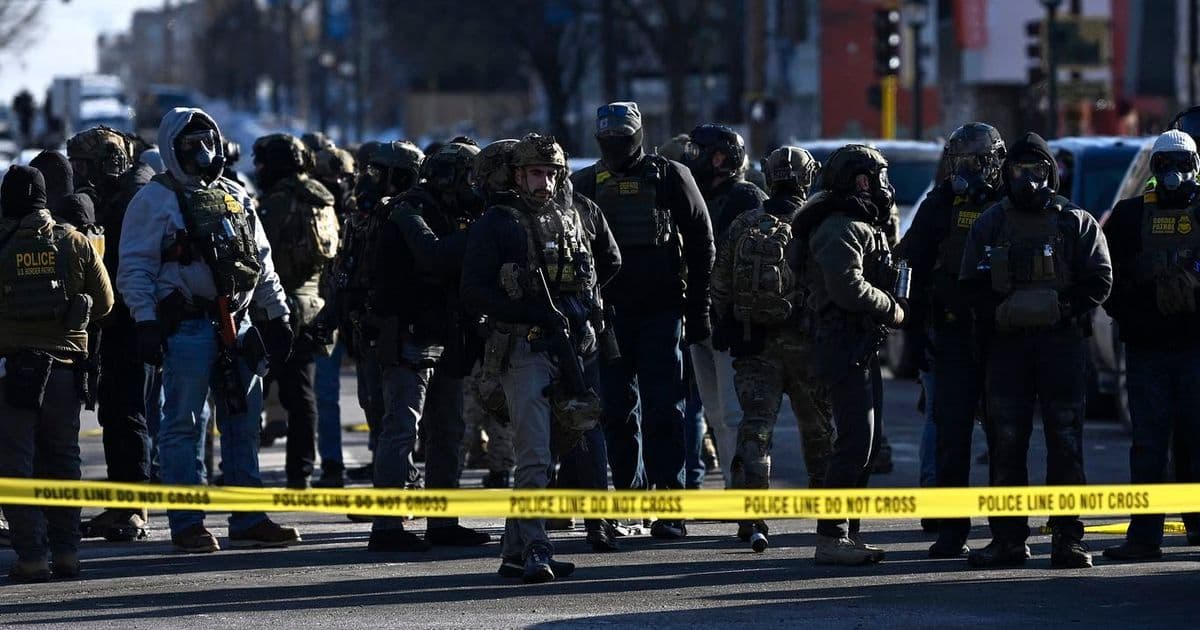
The shooting, which occurred during a confrontation in South Minneapolis, resulted in the death of a man identified by local authorities. Federal agents were involved in the incident, which has drawn scrutiny from both state officials and community members. According to reports, law enforcement guarded the scene as protests erupted following the shooting, highlighting the community's response to the incident.
Governor Walz's decision to launch a state investigation represents a significant escalation in the dispute between Minnesota state government and federal authorities. The governor's office has not specified the exact nature of the alleged "lies" from DHS, but the public accusation suggests fundamental disagreements about the facts of the case. State investigations typically have different authority and access compared to federal inquiries, potentially allowing Minnesota officials to pursue lines of inquiry that might not be available to federal investigators.
The incident occurs against a backdrop of broader political developments in Minnesota. Governor Walz recently announced he would not seek reelection, a decision that has already reshaped the state's political landscape. His public statement about the shooting investigation comes just days after his political exit announcement, suggesting he may be using his remaining time in office to address high-profile issues that resonate with his base and the broader public.
Federal law enforcement agencies, including Immigration and Customs Enforcement (ICE), have faced criticism in Minnesota in recent months. The shooting incident follows other controversies involving federal agents in the state, including reports that Ilhan Omar and other Democrats were blocked from visiting ICE facilities after a Minneapolis shooting. These incidents have contributed to ongoing tensions between state political leadership and federal immigration enforcement.
The state investigation could have significant implications for both the specific case and broader relations between Minnesota and federal agencies. State-level investigations may have different evidentiary standards, access to local witnesses, and jurisdictional authority compared to federal inquiries. If the state investigation uncovers discrepancies with the federal account, it could lead to calls for greater oversight of federal law enforcement activities within Minnesota.
Community response to the shooting has been immediate and vocal. Protests erupted at the scene, reflecting broader concerns about police accountability and the use of force by law enforcement agencies. The involvement of federal agents in a local incident adds complexity to the situation, as federal agencies operate under different protocols and oversight mechanisms compared to local police departments.
The timing of Governor Walz's announcement is politically significant. With his reelection bid already concluded, he may have more freedom to take positions that could be controversial or politically risky. His direct challenge to DHS represents a departure from the more measured approach often taken by state officials when dealing with federal agencies.
The investigation's scope and resources remain to be detailed. State investigations typically involve state law enforcement agencies, which may have different investigative capabilities and access compared to federal agencies. The Minnesota Bureau of Criminal Apprehension or state police agencies would likely lead such an inquiry, potentially collaborating with local law enforcement in Minneapolis.
This incident highlights the complex interplay between state and federal law enforcement authority, particularly in cases involving federal agents operating within state borders. The outcome of the state investigation could influence future protocols for state-federal cooperation and information sharing in Minnesota.
The broader context includes ongoing debates about immigration enforcement, police accountability, and the balance of power between state and federal authorities. Minnesota's political leadership has frequently taken positions critical of certain federal immigration policies, and this incident may become part of that larger narrative.
As the investigation proceeds, both state and federal officials will likely face increased scrutiny from the public, media, and political opponents. The case has already generated significant local attention and could have implications for how similar incidents are handled in the future, both in Minnesota and potentially in other states where state and federal law enforcement interests intersect.
Comments
Please log in or register to join the discussion