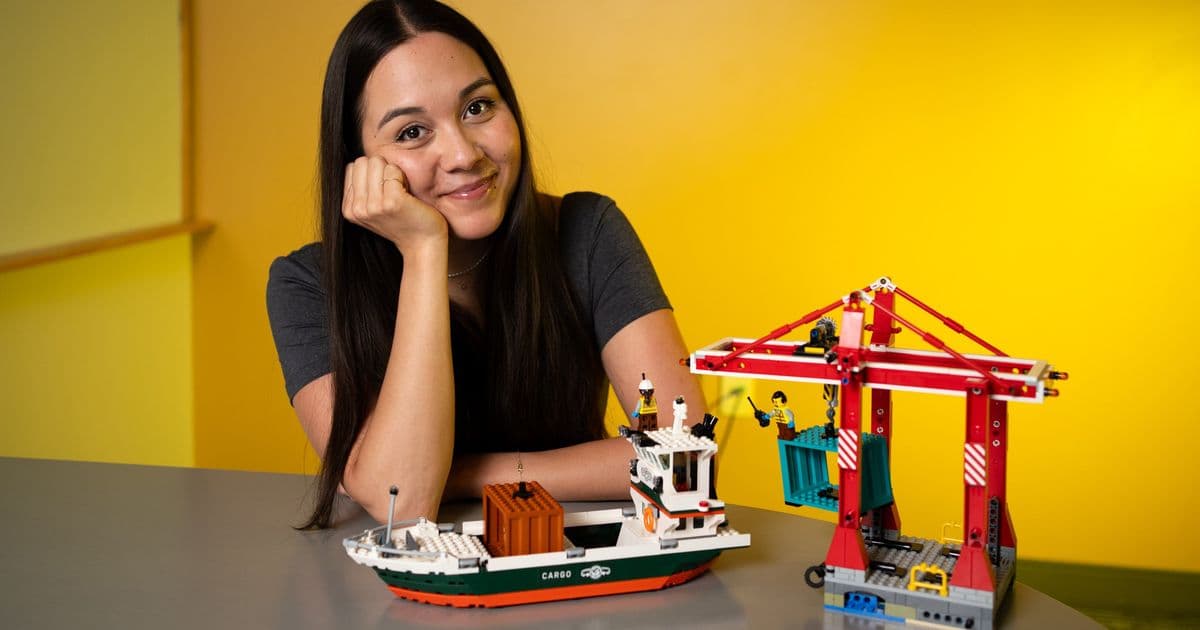
Chelsea Mitchell connects port labor, terminal ownership and vessel data to a practical question: who gets cargo moving when capacity runs short?
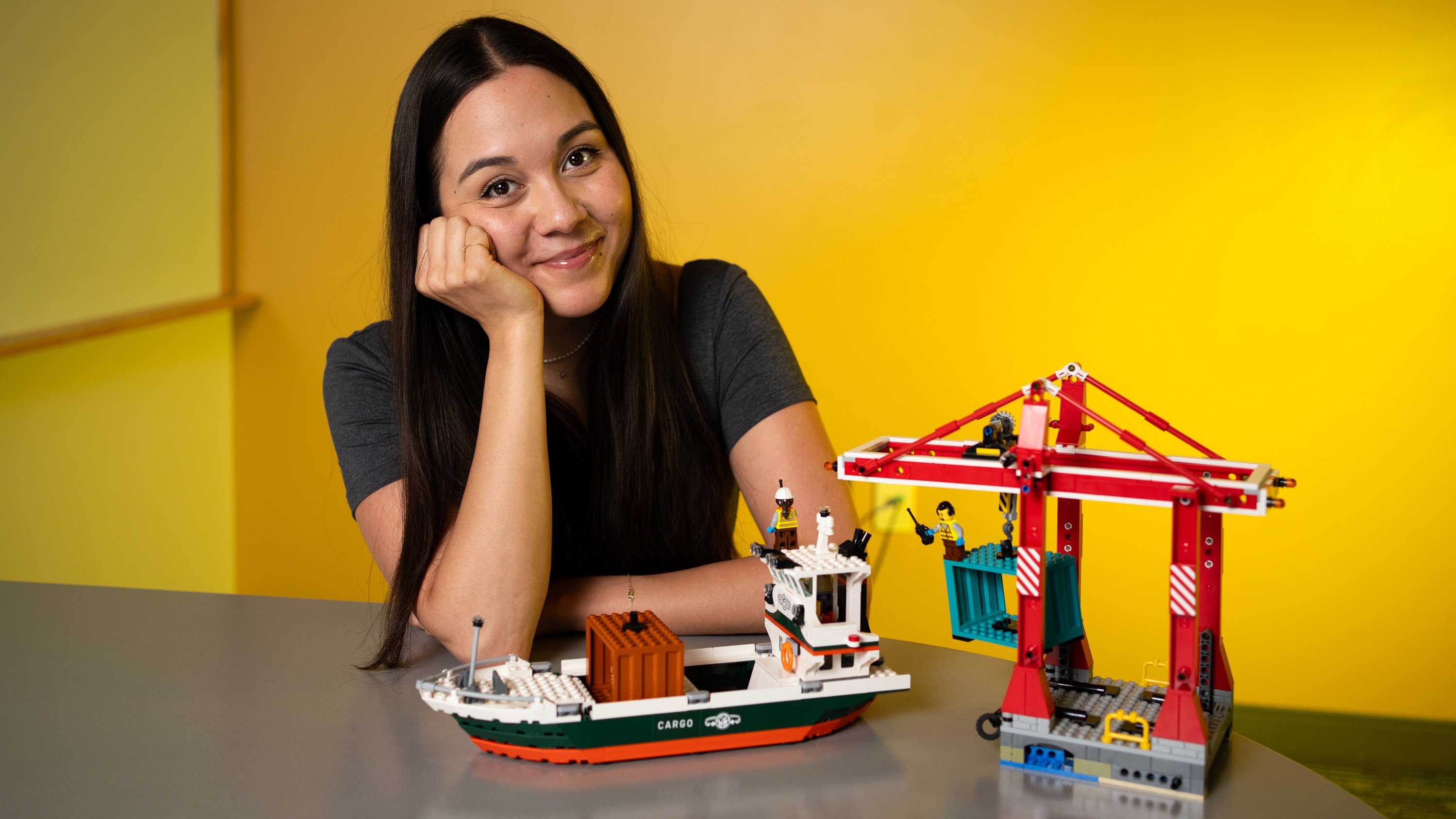
Chelsea Mitchell studies shipping ports because families, firms and regional economies depend on them long before consumers see a price tag or an empty shelf.
Mitchell, a fourth-year Ph.D. student in the MIT Department of Economics, grew up in Prince Rupert, British Columbia, where the port anchors the local economy. Her father works as a longshoreman, and that connection gave her an early view of a system that many consumers notice only during delays.
Ports sit at the center of global trade. Ships carry about 80% of world trade by volume, and port slowdowns can force carriers to reroute cargo, raise logistics costs and strain firms that rely on tight delivery schedules.
Mitchell studies those pressures through labor disputes, carrier competition and terminal ownership. Her work links economic models with vessel-tracking and port-call data, then checks those patterns against conversations with dockworkers and shipping operators.
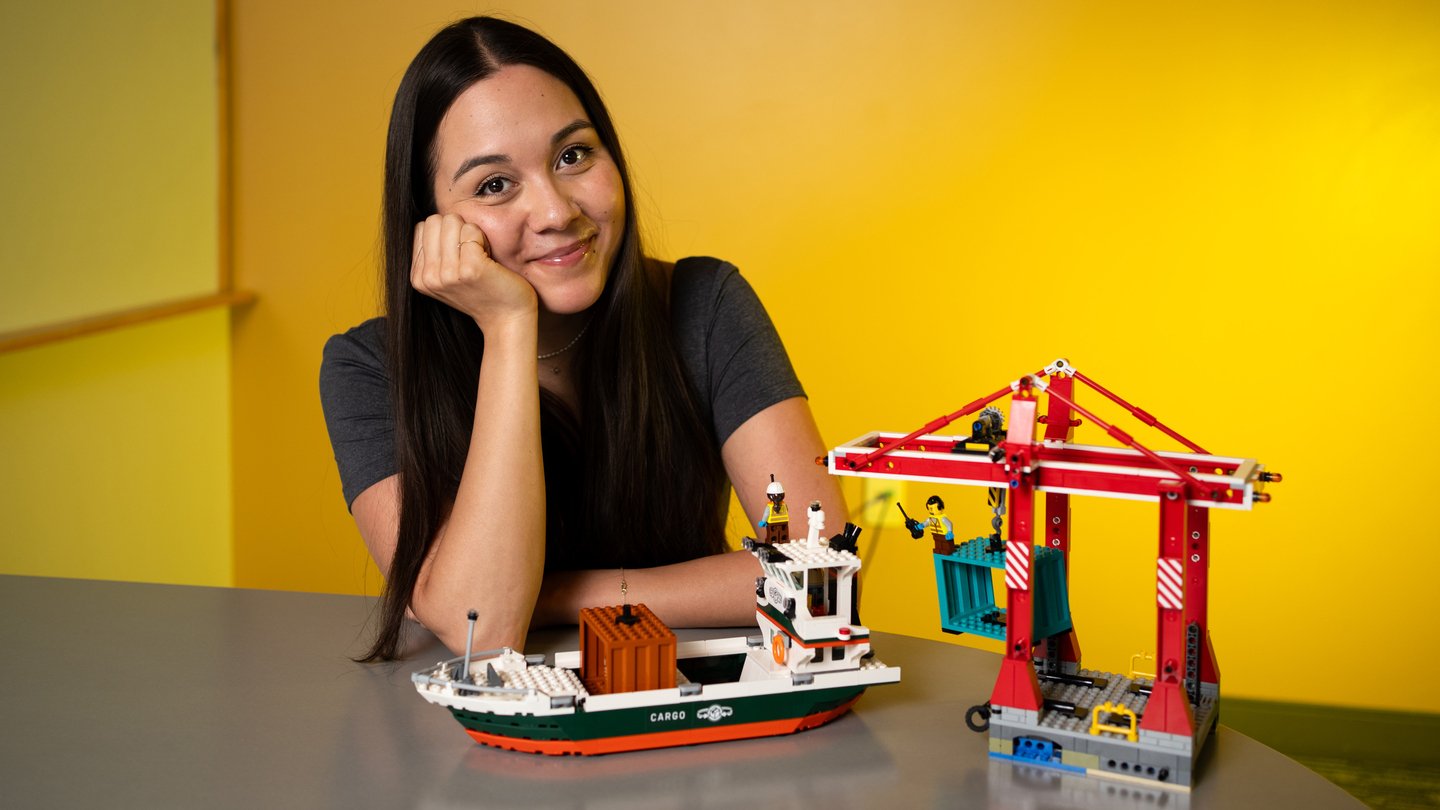
Her research direction sharpened in 2023, when longshore workers on Canada's West Coast struck during a dispute that included automation and port employment. The strike lasted about two weeks and shut down 35 terminals in British Columbia.
The strike gave Mitchell a direct case study in port fragility. Carriers do not need a shutdown to change routes. Mitchell found that the risk of labor disruption can push shipping companies away from West Coast ports and toward East Coast facilities, even when that choice adds cost.
That behavior matters for port policy because firms make routing decisions before a crane stops moving. A carrier that expects delay may book cargo elsewhere, and a port can lose volume before negotiators reach a contract.
Mitchell's current project examines terminal ownership. Shipping lines once depended on independent terminal operators to load and unload containers. Major carriers now buy or control terminals, giving them a stronger hand in the same infrastructure their rivals need.
She uses vessel-tracking and port-call data to compare service before and after carrier acquisitions. Her findings point to a clear pattern: ships run by the acquiring carrier often get faster service during congestion, while competing carriers wait longer or shift cargo to other terminals.
That result raises a competition question for regulators and port authorities. A carrier that owns a terminal can improve coordination for its own fleet, but rivals may face delays at the same constrained facility. In a port with limited berth space, crane capacity and yard space, small timing advantages can affect freight rates and customer choice.
The technical challenge comes from the data. Vessel-tracking records show ship movement, port arrival and departure times. Port-call data adds detail about which ship visited which terminal and for how long. Mitchell uses those records to estimate delays, compare carriers and isolate changes that follow ownership shifts.
The work also shows the limit of data without field knowledge. A database can show that one ship waited 18 hours longer than another. A worker, dispatcher or terminal manager can explain whether weather, labor rules, yard congestion, equipment problems or priority agreements drove the delay.

Port automation adds another layer. Automated cranes, gate systems and yard vehicles can raise throughput in some terminals, but workers and communities face direct consequences when owners change staffing models. The 2023 strike placed that trade-off in front of Mitchell because her hometown and her family sit inside the industry she studies.
For supply chain managers, Mitchell's research supports a practical lesson: port risk belongs in routing, inventory and procurement decisions. A firm that treats ports as interchangeable nodes may underestimate delay risk, labor exposure and market power at the terminal level.
For policymakers, her work suggests that port reliability depends on more than physical expansion. Terminal ownership, labor contracts and carrier incentives shape how fast goods move through existing infrastructure. New cranes help only if governance and access rules keep capacity available across carriers.
Mitchell credits MIT economists Nancy Rose and Tobias Salz with guiding the research. She also draws on interviews across the shipping industry, including workers connected to the 2023 strike.
Her work gives port economics a human scale. A delayed container can mean a missed factory input, a higher grocery bill or fewer hours for a dockworker's family. Mitchell's research traces those effects from the berth to the broader economy.
Comments
Please log in or register to join the discussion