Alex Ellis makes the case for local Qwen as a private support and analysis tool for teams that need control, fixed cost and data limits, while cloud models still lead on long coding work.
Alex Ellis frames local Qwen as a tool for bounded business work, not a drop-in replacement for Claude Opus or Codex. His point rests on production use: customer support, telemetry review, private diagnostics and codebase analysis inside a small infrastructure company.
Ellis runs OpenFaaS, SlicerVM, Actuated and Inlets, products built around Go, Kubernetes, Firecracker, Linux networking and self-hosted control. That context matters. His team handles customer data, support bundles and license telemetry that they cannot send to cloud AI services without contract risk.
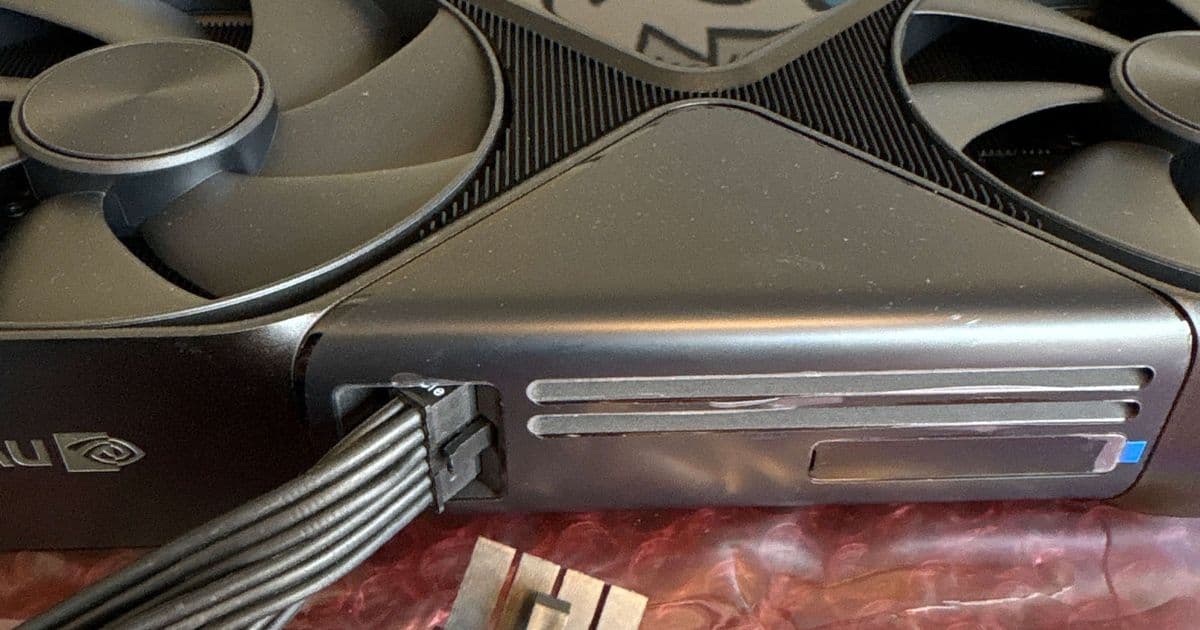
The RTX 6000 Pro rig changed that support flow. Customers can run a diagnostic CLI, send a snapshot, and the team can inspect it with Qwen inside an air-gapped SlicerVM. Ellis says one license review found a customer under-reporting usage by 4x to 5x for more than 12 months, which paid for the card.
That value came from privacy and control. It did not come from Opus-level coding.
Ellis describes a sharp gap between benchmark scores and daily use. Qwen 3.6 27B can post a strong SWE-bench Verified score, but his team writes distributed Go systems, not tidy Python issue patches. Long context, concurrency, network behavior and domain-specific support work expose limits that public benchmarks do not capture.
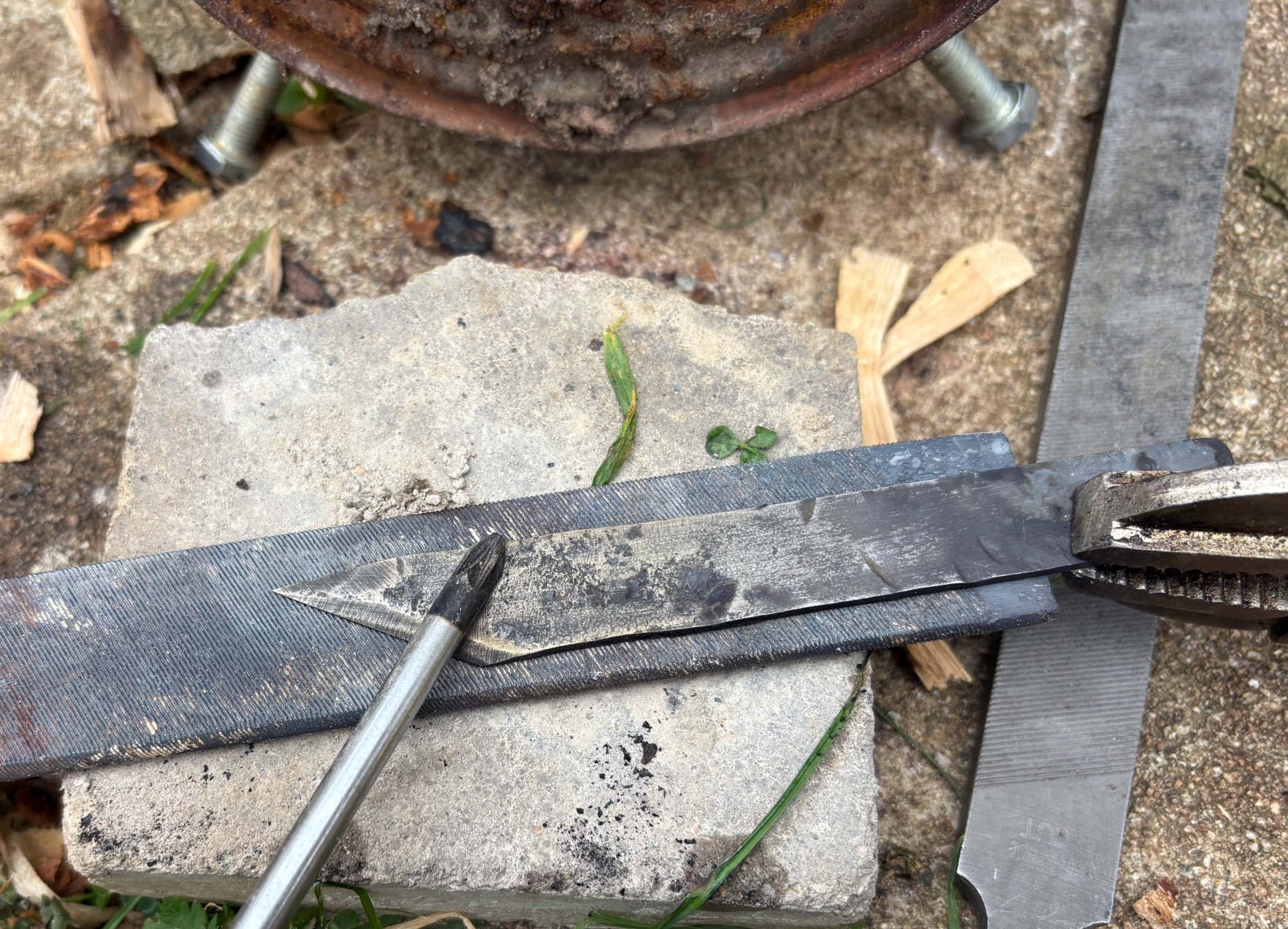
His steel-tempering analogy works because it names the failure mode. A blade needs heat, quench and tempering. Push it past the right color and the maker starts again. Qwen behaves that way under long-horizon agent work. The model can make progress, then repeat itself, corrupt a file or invent paths and tool calls.
Ellis gives two examples. In one, Qwen proposed faas-cli commands, then looped through the same command list while burning 600 watts. In another, it tried to add --json support across commands, hit a test issue around TLS warnings, wrote a flawed Python proxy, then damaged the file while trying to repair it.
That failure pattern limits the operating model. Ellis can ask Claude or Codex to investigate a bug, patch a system, test on hardware and iterate on review. He will not give Qwen that same scope. He uses it for bounded analysis, support triage, code reading and tasks with strong AGENTS.md guidance.
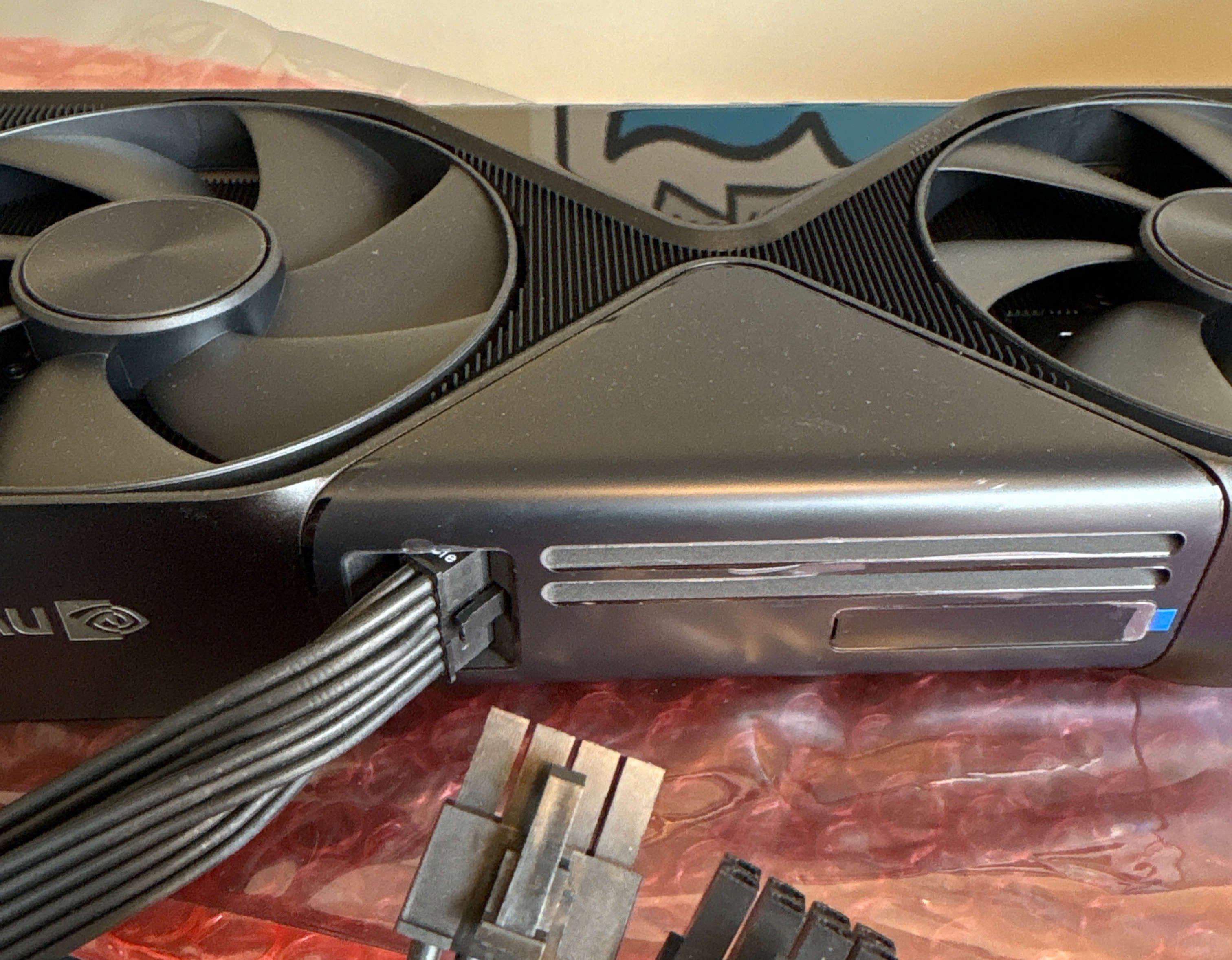
His setup shows the cost and maintenance burden behind local AI. The RTX 6000 Pro Blackwell card carries 96 GB of VRAM and cost about $12,000 at purchase, with later prices near $15,400. He runs two llama.cpp instances, keeps builds current, tunes context settings and monitors power through Shelly plugs.
He also built Toilgate, an internal provider layer for opencode, so teammates can choose among local models without copying configuration files across machines. That turns a home GPU box into shared infrastructure with identity, routing, metering and model choice.

The technical choices matter. Ellis favors full-quality context, careful quantization and model-card settings. He warns that aggressive KV-cache quantization harms behavior, and he reports better results from Qwen 3.6 27B at higher fidelity than from smaller or more compromised setups. He also tests fine-tunes such as Qwopus, which tries to improve reasoning on top of Qwen.
Speed helps, but it does not solve judgment. With speculative decoding from MTP, Ellis reports sustained output in the 130 to 200 token-per-second range. That can feel faster than a cloud model. The model still needs tight task boundaries, review and a harness that can stop loops.
The broader lesson reaches past one GPU purchase. Local AI helps teams that need data control, predictable cost and vendor independence. Cloud frontier models help teams that need long autonomous coding runs and stronger reasoning. A small company can use both: cloud models for broad engineering work, local models for private data and constrained support workflows.
Ellis’s article also points to a product gap. Teams that depend on local AI need the same controls they expect from cloud platforms: access rules, quotas, logs, uptime targets and power cost visibility. The model alone does not create a service. Engineers have to operate it.
The best local-Qwen use cases in the piece share two traits. The team can define the task before the model starts, and a human can check the result. Support diagnostics, license analysis, codebase explanation, small CLI additions and repeatable setup tasks fit that pattern. Open-ended Go development and autonomous code review remain poor fits.
Local Qwen gives Ellis a private workbench for sensitive work. Opus and Codex still handle the long, messy engineering sessions. That split sounds less dramatic than claims about canceling cloud subscriptions, but it gives a small software business a usable rule: send private, bounded work to the local rig, and send broad coding tasks to the frontier models.
Useful links: Alex Ellis, OpenFaaS, SlicerVM, Actuated, Inlets, llama.cpp, Qwen
Comments
Please log in or register to join the discussion