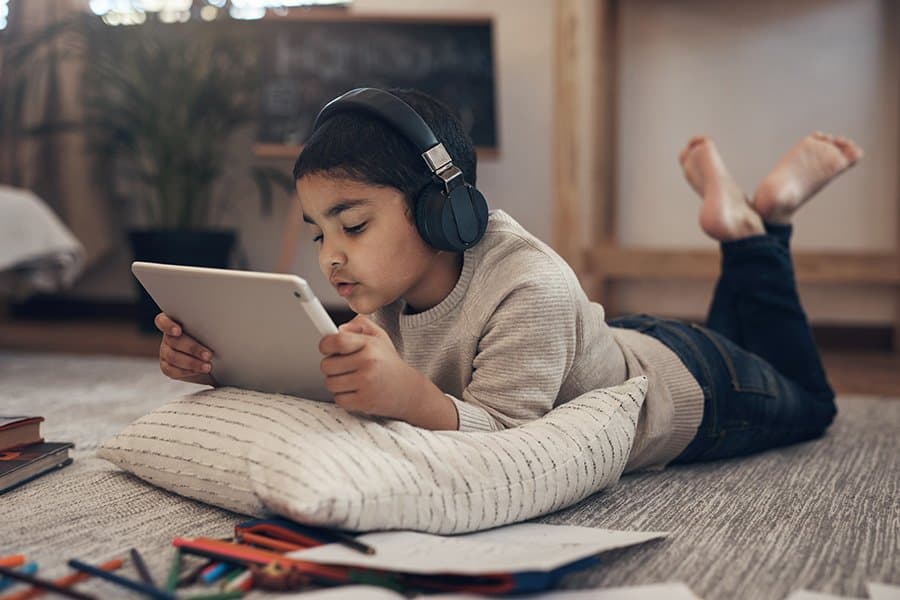
A large-scale MIT study finds audiobooks help students learn vocabulary, but struggling readers need one-on-one instruction to benefit significantly.
A comprehensive study from MIT's McGovern Institute for Brain Research reveals that while audiobooks can help students expand their vocabulary, struggling readers see the greatest gains only when these tools are paired with personalized, one-on-one instruction.
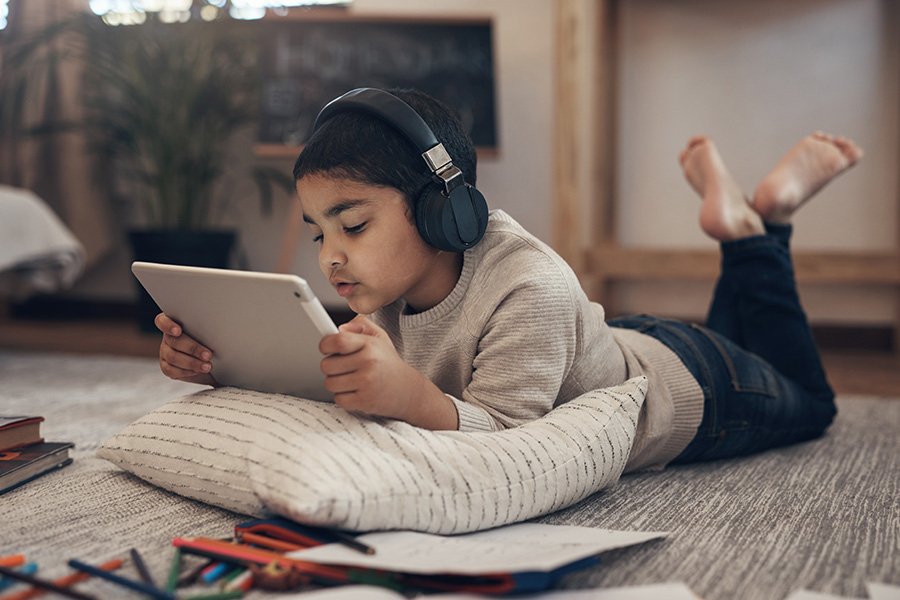
The research, published March 17 in Developmental Science, comes at a critical time as millions of students nationwide use text-supplemented audiobooks to keep pace in classrooms despite reading challenges. The study's findings challenge the assumption that educational technology alone can bridge learning gaps, particularly for vulnerable students.
The Pandemic-Driven Research Opportunity
When COVID-19 forced school closures in 2020, researchers Halie Olson and Ola Ozernov-Palchik saw both a challenge and an opportunity. Unable to conduct traditional lab-based studies, they pivoted to a remote research design that would ultimately involve hundreds of third- and fourth-graders across the United States.
"What we were really concerned about as the pandemic hit is that the types of gaps that we see widen through the summers—the summer slide that affects poor readers and disadvantaged children to a greater extent—would be amplified by the pandemic," Ozernov-Palchik explains.
This concern drove the team to evaluate Learning Ally's text-supplemented audiobooks, which synchronize highlighted text with audio narration, allowing students to follow along visually while listening.
Study Design and Methodology
The eight-week intervention randomly assigned students to one of three groups:
- Audiobooks only: Students listened for approximately 90 minutes per week
- Audiobooks plus tutoring: Students received twice-weekly one-on-one tutoring sessions in addition to audiobook listening
- Control group: Students participated in mindfulness practice without audiobooks or tutoring
Before the intervention began, the researchers trained a team of college students—with no prior educational expertise—to provide explicit instruction using proven educational methods. These tutors worked remotely via Zoom, demonstrating that effective support doesn't require highly trained professionals.
Key Findings: Technology Alone Isn't Enough
The results were revealing. Overall, students in the audiobooks-only group showed vocabulary gains, but the benefits were far from universal.
"Children who were poor readers showed no improvement from audiobooks alone, but did make significant gains in vocabulary when the audiobooks were paired with one-on-one instruction," the researchers report. Even strong readers learned more vocabulary with tutoring, though the differences were less dramatic for this group.
This finding aligns with what education research has long established: explicit instruction remains crucial, especially for the most vulnerable learners. As Ozernov-Palchik notes, "We know that really what works in education, especially for the most vulnerable students, is explicit instruction."
The Socioeconomic Factor
Perhaps most concerning, the study found that students from households with lower socioeconomic status showed no significant vocabulary gains, even when audiobooks were paired with explicit instruction. This underscores that different students have fundamentally different needs that technology alone cannot address.
"I think this carefully done study is a note of caution about who benefits from what," says Grover Hermann Professor John Gabrieli, who led the research team.
Implications for Educational Technology
The study arrives amid rapid expansion of educational technology tools, with Gabrieli noting "a rapid expansion of online resources meant to support students and educators." However, he emphasizes that "fewer than 10 percent of educational technology tools have undergone any type of research."
This lack of rigorous evaluation is particularly problematic when unproven methods are deployed with vulnerable students. "When we use unproven methods in education, the students who are most vulnerable are the ones who are left further and further behind," Ozernov-Palchik warns.
Remote Learning's Silver Lining
While the pandemic created significant educational challenges, it also pushed researchers to rethink how technology could make studies more accessible and representative. The remote design allowed participation from a diverse group of students spanning different reading abilities and socioeconomic backgrounds.
"I think the pandemic pushed researchers to rethink how we might use these technologies to make our research more accessible and better represent the people that we're actually trying to learn about," says Olson, who was a graduate student in Gabrieli's lab during the study.
Looking Forward
Building on this research, Ozernov-Palchik has launched a new initiative at Boston University to evaluate artificial intelligence-based educational tools' impacts on student learning. This work continues the team's commitment to evidence-based approaches in educational technology.
The study's message is clear: while audiobooks and other educational technologies offer valuable support, they work best as part of a comprehensive approach that includes personalized instruction tailored to individual student needs.
As schools increasingly adopt digital learning tools, this research provides crucial guidance for educators and policymakers: technology should complement, not replace, the human element of teaching—especially for students who struggle the most.
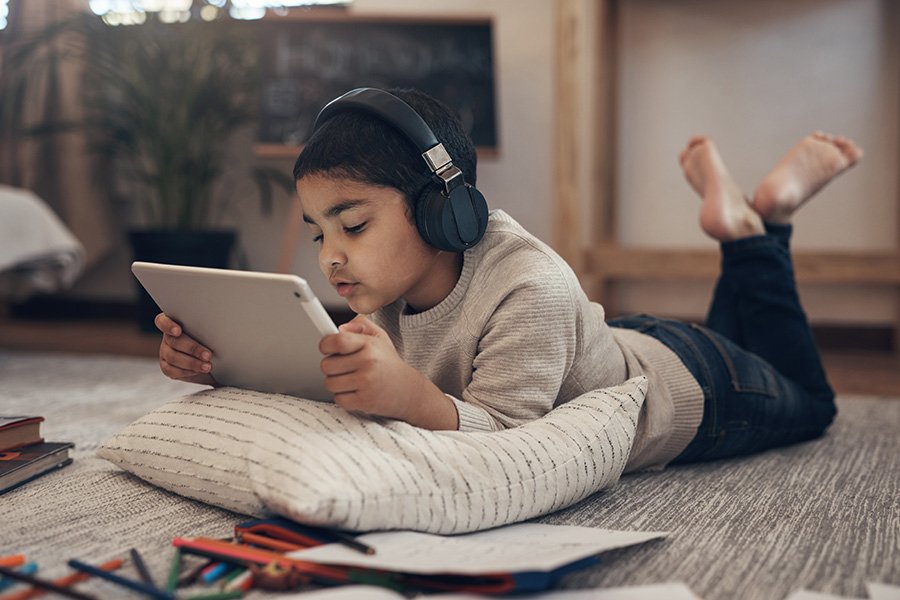
Paper: "Remote Text-Supplemented Audiobook Intervention Supports Children's Explicit and Incidental Vocabulary Learning" [Developmental Science, March 17, 2026]
Related Research:
- Study: Identifying kids who need help learning to read isn't as easy as A, B, C
- Personal interests can influence how children's brains respond to language
- Not every reader's struggle is the same
Learn More:
Comments
Please log in or register to join the discussion