The Motorola Moto G (2026) has arrived for review, bringing modest but meaningful upgrades over its predecessor. While the core formula remains familiar, Motorola has doubled the base storage, increased battery capacity, and significantly upgraded the front-facing camera.
Motorola's latest budget contender, the Moto G (2026), has landed in our review queue, and it represents the company's continued strategy of iterative refinement in the competitive sub-$250 smartphone market. While the device won't turn heads with radical redesign, it addresses several key pain points from the previous generation with practical, user-focused improvements.
What's Actually New
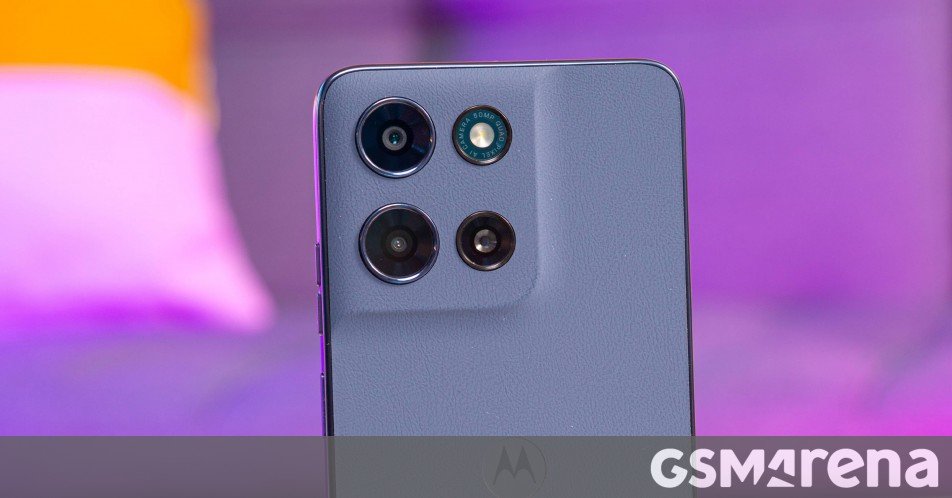
At first glance, the Moto G (2026) looks nearly identical to the 2025 model, maintaining the same 6.7-inch IPS LCD display with 1,000 nits peak brightness and smooth 120Hz refresh rate. The familiar leather-like texture on the back panel returns, providing a premium tactile feel that punches above its price point. However, Motorola has introduced two new Pantone colors: Slipstream (a muted gray-blue) and Cattleya Orchid (a soft purple).
The real changes hide beneath the surface. Storage gets the most significant boost—base models now ship with 128GB instead of the 64GB that became standard on budget phones. For users who capture photos and download media without constantly managing storage, this is a meaningful quality-of-life upgrade. The battery sees a modest bump to 5,200mAh, up from 5,000mAh in the previous model.
Perhaps the most surprising upgrade is the selfie camera, which jumps from a 16MP sensor to a 32MP unit paired with a brighter f/2.2 aperture. This should deliver noticeably better low-light performance and more detailed self-portraits, addressing a common weakness in budget devices where front-facing cameras often feel like afterthoughts.
The Familiar Core
Under the hood, the Moto G (2026) runs on the same 6nm MediaTek Dimensity 6300 chipset with 4GB of RAM. This processor proved adequate for everyday tasks in the 2025 model, handling social media, web browsing, and light gaming without major hiccups. The 4GB RAM allocation is modest but typical for this price segment, though power users may notice apps refreshing more frequently when multitasking.
The display specifications remain unchanged: a 6.7-inch IPS LCD panel with 120Hz refresh rate and 1,000 nits brightness. While it lacks the deep blacks and vibrant colors of OLED displays found in more expensive phones, the high refresh rate makes scrolling and animations feel fluid. The brightness should be sufficient for outdoor use, though direct sunlight might still pose challenges.
Pricing and Availability
The Moto G (2026) launched in early November 2025 and has been available since last month with a $200 price tag. Motorola continues to include a USB-C cable in the box, though the company has moved away from including chargers in recent years across its budget lineup.
What This Means for Budget Phone Buyers
The Moto G (2026) exemplifies Motorola's pragmatic approach to the budget segment. Rather than chasing flagship features, the company focuses on incremental improvements that matter to everyday users. Doubling storage addresses the reality that budget phone owners keep devices longer and can't rely on cloud storage in markets with limited data connectivity.
The selfie camera upgrade acknowledges that social media and video calls have become primary use cases for many smartphone owners, even at this price point. Meanwhile, the battery increase provides extra headroom as apps and services become more power-hungry over time.
For consumers considering the Moto G (2025), there's little reason to upgrade unless storage constraints or poor selfie quality were major frustrations. However, for those shopping for their first smartphone or replacing an older device, the 2026 model offers a solid foundation with thoughtful improvements where they count.
We'll be putting the Moto G (2026) through its paces with comprehensive testing, including camera comparisons, battery life measurements, and performance benchmarks. Stay tuned for our full review to see how these upgrades translate to real-world usage.
Motorola Moto G (2026) official product page | GSMArena device listing
Comments
Please log in or register to join the discussion