
MSI's MAG A1200PLS offers striking aesthetics and solid power quality, but questionable component choices and thermal limitations make its $250 price tag hard to justify against stronger competition.
The MSI MAG A1200PLS PCIe 5.0 represents the company's latest push into the premium power supply market, bringing a 1200W unit with aggressive styling and Channel-Well Technology's proven platform. At $250, it positions itself against established competitors, but the execution reveals a unit that looks the part without fully delivering on its premium promises.
Design and Build Quality
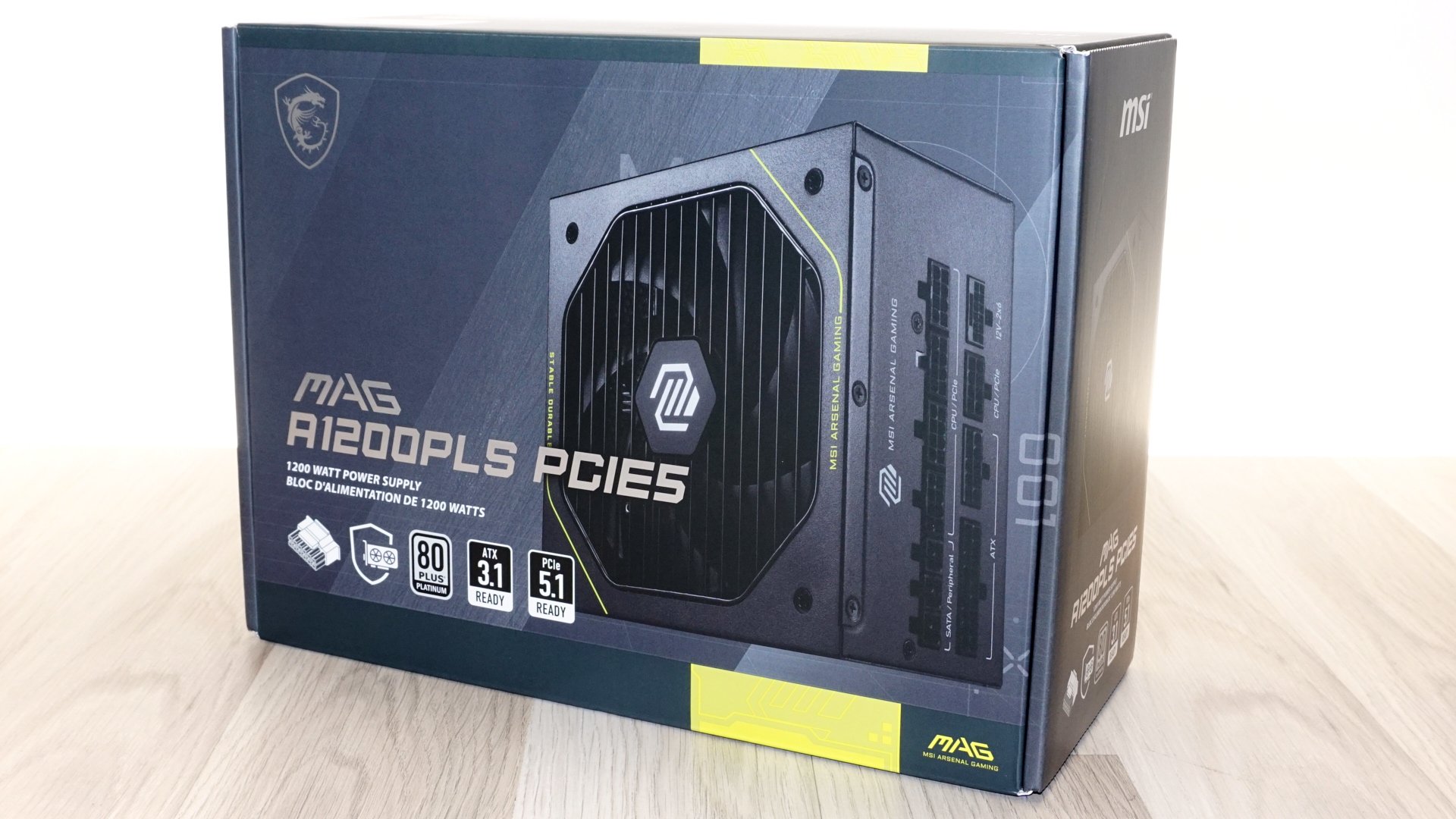
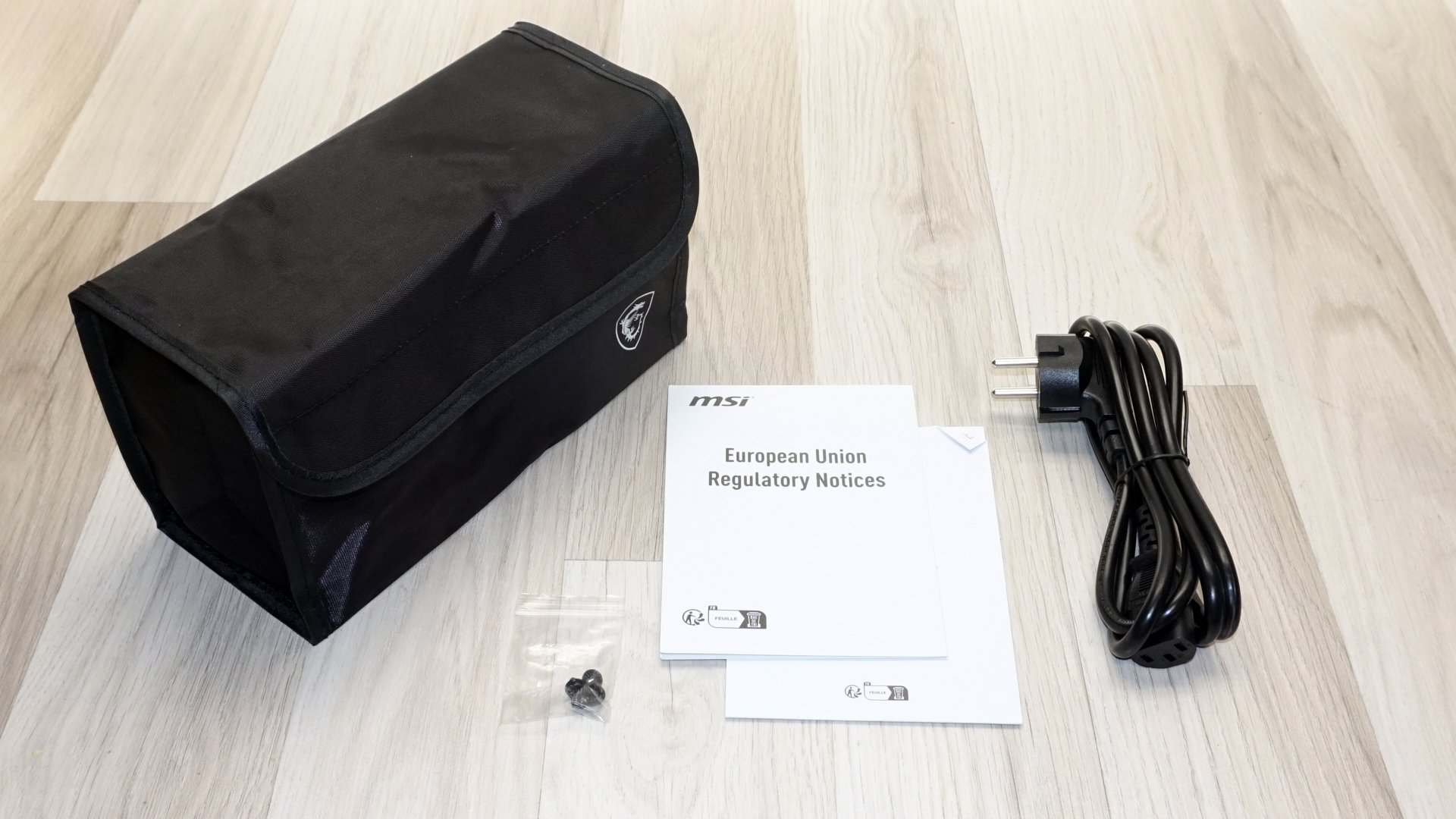
The MAG A1200PLS arrives in packaging that immediately telegraphs its positioning. The outer box features militaristic design language with brushed metal backgrounds, angular fonts, and yellow accents. Inside, the unit sits protected by a fabric pouch and foam inserts, though the accessory bundle remains basic—mounting screws, AC cable, cable ties, and a printed manual.
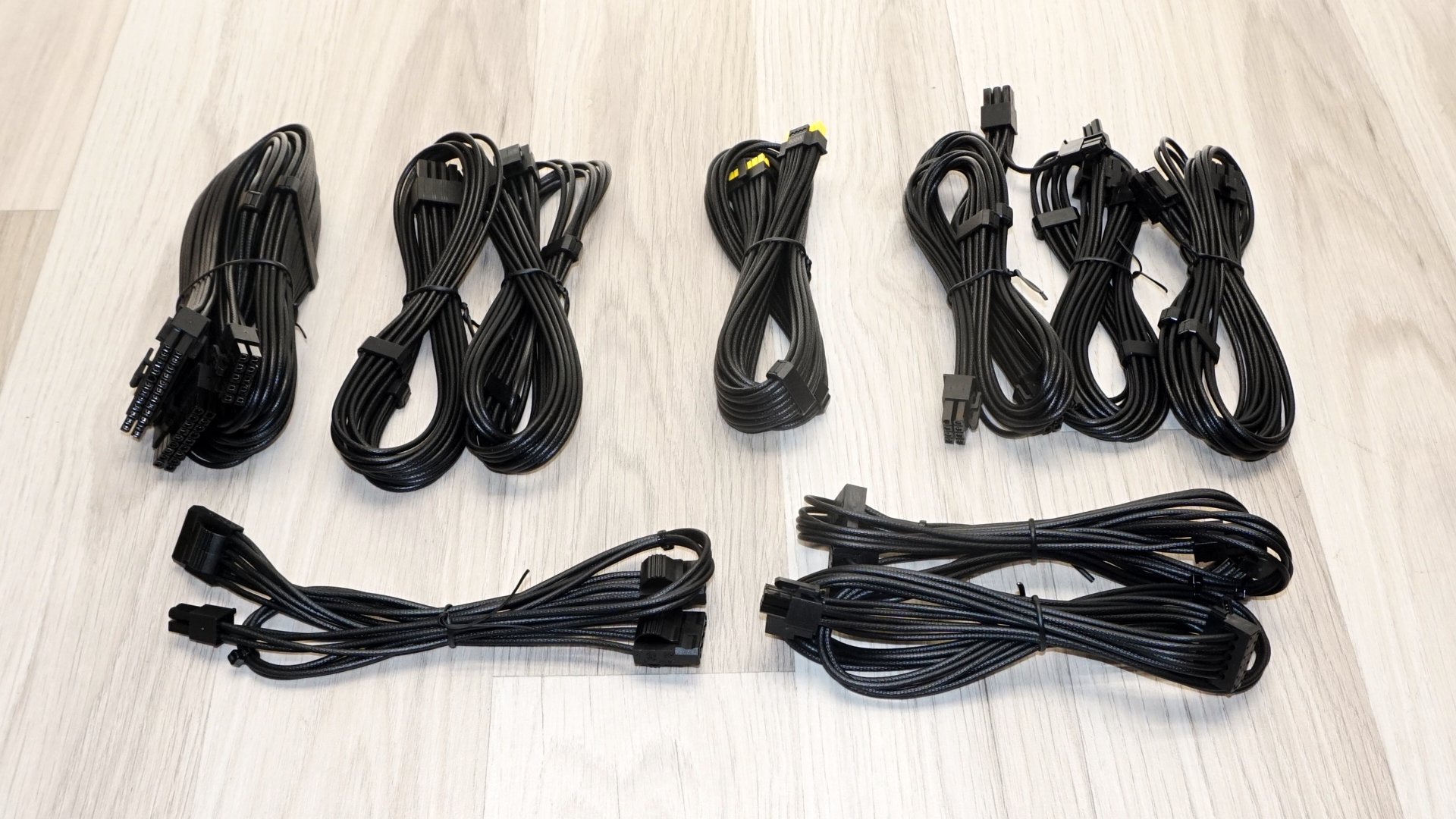
Cable quality is notably good. All cables are fully modular, all-black from connector to tip, featuring what MSI calls "embossed jacket wires" with a scaled, textured appearance. Preinstalled cable combs come on all cables except SATA and PATA ones. The connector complement includes one 12V-2x6 cable and four 6+2 pin PCIe connectors, with two PCIe connectors on individual cables and two in a piggyback arrangement.
The 12V-2x6 connector features a dual-color design with a yellow lower section that disappears when fully seated, providing visual confirmation of proper connection—a thoughtful touch addressing a real-world installation concern.
Internal Architecture
Channel-Well Technology provides the platform, built around established topologies. Input filtering includes six Y capacitors, two X capacitors, and two common-mode inductors. Two rectifying bridges share a generously sized heatsink.
The APFC circuit uses two CRmicro CRJQ60N65G2BF MOSFETs and a diode, mounted on the largest heatsink. A large encased inductor and Teapo 1000μF bulk capacitor complete the APFC stage.
Primary inversion employs a half-bridge topology with two STMicroelectronics STW43N60DM2 MOSFETs—a solid choice from a reputable manufacturer. Secondary 12V generation uses eight ChongQing PingWei Enterprise C009N04ES MOSFETs in synchronous rectification.
Secondary electrolytic capacitors come from Teapo and ChengX, while solid-state capacitors are entirely Teapo-sourced. This component selection becomes problematic at the $250 price point, where Japanese-origin capacitors from Rubycon or Nippon Chemi-Con are expected.
Performance Testing
Cold Testing Results
At 115 VAC, average nominal load efficiency reaches 90.9%. At 230 VAC, it achieves 92.8%, satisfying Cybenetics and PPLP.Info Platinum certification thresholds. However, the unit fails to verify its 80Plus Platinum performance at maximum load, where efficiency drops below certification requirements.
Efficiency peaks at 30-40% load, lower than typical for modern PSUs, but remains stable through most of the operating range before declining noticeably above 60-70% load. The fan operates continuously from startup but remains effectively silent at low loads, picking up sharply beyond 800 watts.
Hot Testing Results
Elevated ambient temperature reveals thermal weaknesses. At 115 VAC, average nominal efficiency drops to 88.9%. At 230 VAC, it falls to 90.9%. The two-percentage-point degradation is notable, with more severe decline across higher load ranges.
Fan behavior becomes more aggressive under heat stress, reaching maximum output at approximately 90% load—well before the unit reaches rated output. Above this point, the fan has no further capacity to compensate, causing internal temperatures to climb steeply during the final portion of the load range.
Electrical Performance
Voltage regulation is competent without being exceptional. The 12V rail holds within 1.2% across the full load range, 5V within 1.4%, and 3.3V within 1.6%. These are acceptable numbers by current standards but fall short of expectations for a $250 unit.
Ripple filtering is where the MAG A1200PLS PCIE5 earns its tier. The 12V rail peaks at 44 mV, 5V at 26 mV, and 3.3V at 28 mV—all figures clearing ATX specification limits by comfortable margins.
Protection circuits are well-tuned. 3.3V OCP triggers at 136% of rated current, 5V at 132%, and 12V at 128%. OPP under hot conditions engages at 126% of rated output, a responsible threshold given observed thermal behavior.
The Price Problem
The fundamental issue with the MAG A1200PLS PCIE5 is its $250 price tag. At $170 or even below $200, many criticisms soften considerably. At $250, it enters a competitive tier where alternatives deliver more for the money.
The component selection particularly undermines the premium positioning. ChengX capacitors in a $250 unit are notable in the wrong way, and Teapo components, while not disreputable, typically appear in mid-tier designs.
Thermal limitations also become more concerning at this price point. The inability to maintain efficiency under sustained high loads in warm environments, combined with aggressive fan behavior, suggests the unit is better suited for moderate-load operation.
Target Audience
Buyers who primarily operate in the 40-70% load range and prioritize build aesthetics alongside electrical quality and quiet operation will find a capable and visually distinctive unit. The striking exterior, thoughtful cable implementation, fan alarm, and visual connector confirmation all demonstrate genuine engineering consideration.
Those planning sustained high-load operation or expecting both aesthetics and components to match the stated tier should look carefully before committing. The MAG A1200PLS PCIE5 is competent but not exceptional, and in a market where competition is unforgiving, "competent" at $250 isn't enough.
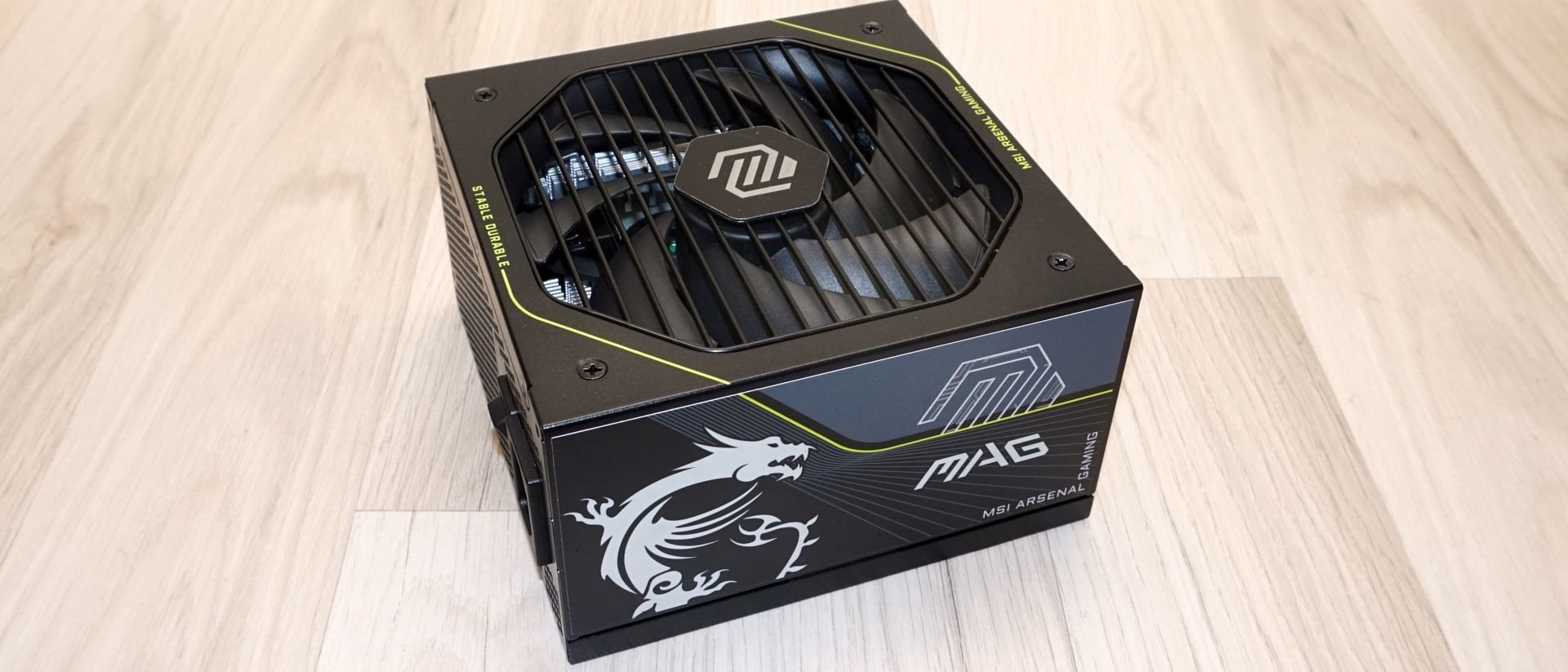
The MAG A1200PLS PCIE5 represents MSI's attempt to establish credibility in the premium PSU segment. While it succeeds in creating a visually striking product with solid electrical performance, component choices and thermal limitations prevent it from fully justifying its price. It's a unit that looks like it belongs at the top table but occasionally reveals mid-tier roots when the pressure is on.
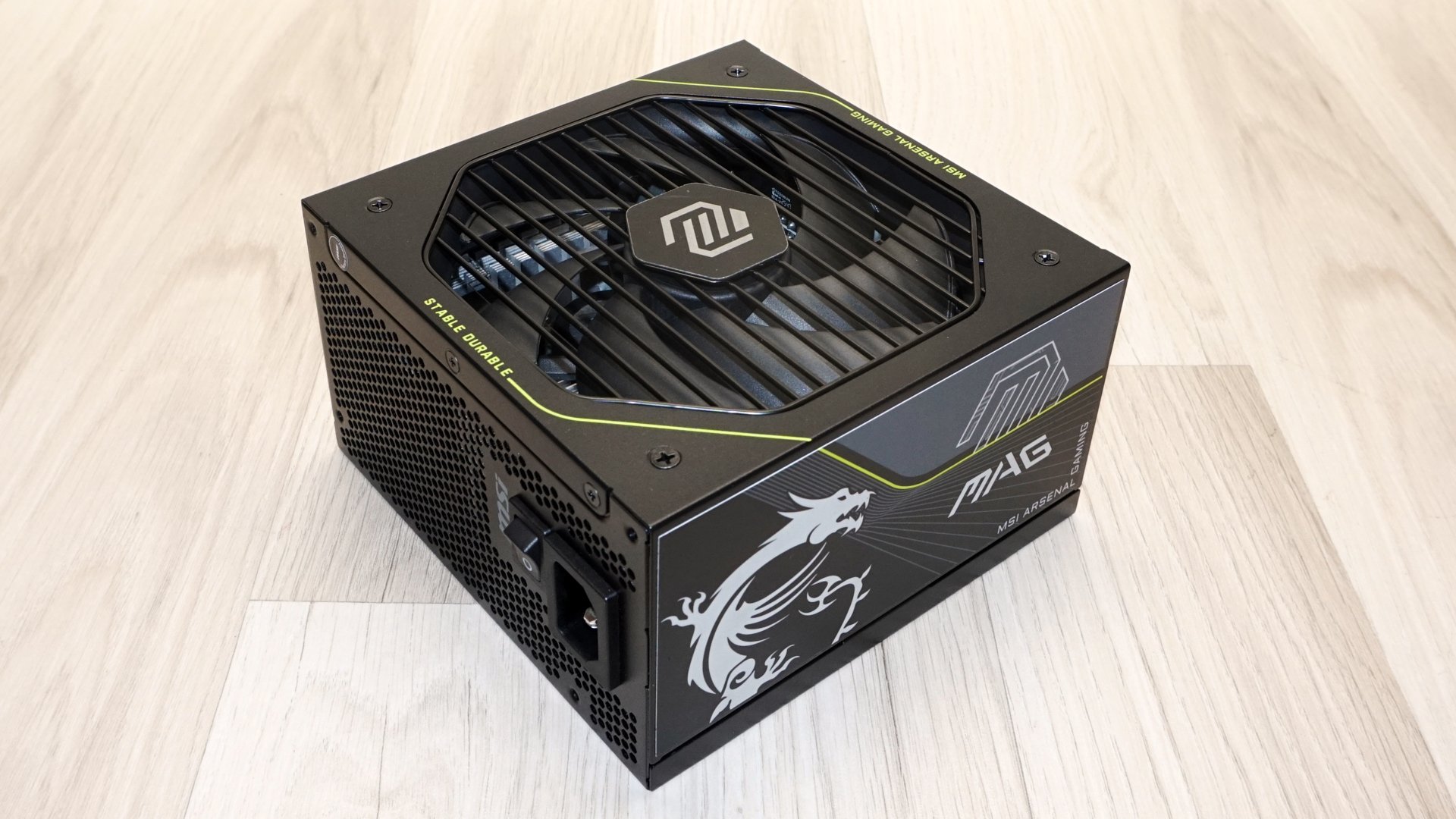
The aggressive styling and thoughtful touches like the visual connector confirmation show MSI understands what premium buyers want. However, the execution suggests the company may be pricing ambition rather than achievement. In a segment where reputation is built slowly and lost quickly, the MAG A1200PLS PCIE5 is a competent first step that needs refinement to truly compete at the top end.
Comments
Please log in or register to join the discussion