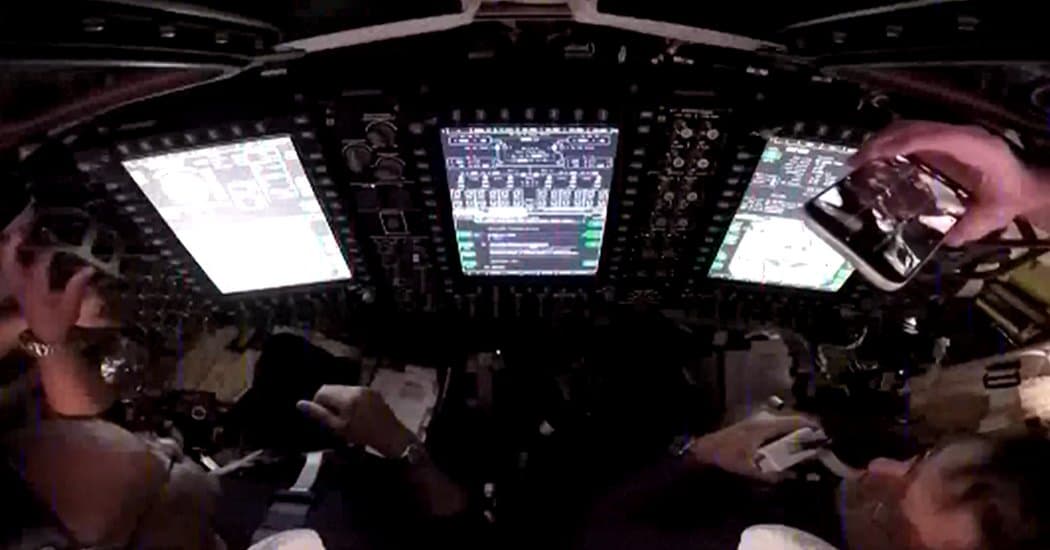
NASA is equipping Artemis II astronauts with modified iPhones for photography and video, marking one of the first times the agency has allowed smartphones on crewed missions.
NASA is taking a decidedly modern approach to its upcoming Artemis II moon mission by equipping astronauts with modified iPhones for capturing photos and videos during their journey. This marks one of the first times the space agency has allowed smartphones on a crewed mission, representing a significant shift in how astronauts document their experiences in space.
The Artemis II mission, scheduled for late 2025 or early 2026, will send four astronauts on a lunar flyby—the first crewed mission to the moon since Apollo 17 in 1972. The crew includes NASA astronauts Reid Wiseman, Victor Glover, and Christina Koch, along with Canadian Space Agency astronaut Jeremy Hansen.
According to reports from the New York Times, the smartphones being used are modified versions of the iPhone that have been adapted for the unique conditions of space travel. While specific details about the modifications haven't been fully disclosed, space-rated devices typically require changes to withstand radiation, extreme temperatures, and the absence of cellular connectivity.
What's Actually New
The use of consumer smartphones in space isn't entirely unprecedented—ISS astronauts have used various devices for communication and documentation—but Artemis II represents a more formal integration of these devices into mission operations. The modified iPhones will serve as the primary photography and videography tools for the crew, replacing some of the specialized equipment that would have been used in previous missions.
This approach offers several advantages:
- Familiarity: Astronauts can use devices they're already comfortable with
- Quality: Modern smartphones offer impressive camera capabilities
- Cost-effectiveness: Consumer devices are significantly cheaper than custom-built space equipment
- Connectivity with Earth: The ability to capture and share high-quality images and videos in real-time
Limitations and Challenges
Despite the benefits, there are notable constraints. As the Times notes, the astronauts "sadly, they can't connect to the internet." This means the devices will function more like advanced cameras than the smartphones we use daily. The lack of internet connectivity also means no social media updates, video calls, or real-time data transmission—features that have become standard for astronauts on the International Space Station.
The modified iPhones will likely have enhanced storage capacity to handle the large volume of photos and videos expected during the mission, as well as specialized software for space documentation. Battery life and power management will be critical considerations, given the extended duration of the mission and the limited power resources available on spacecraft.
Why It Matters
This decision reflects NASA's evolving approach to space exploration, balancing cutting-edge technology with practical considerations. By using modified consumer devices, NASA can leverage rapid technological advancements in the consumer market rather than relying solely on slower, more expensive custom-built equipment.
The move also signals a shift toward more accessible space exploration. As smartphones become increasingly capable, they're finding applications in environments once reserved for specialized, expensive equipment. This democratization of space technology could have implications for future missions, potentially allowing for more extensive documentation and public engagement.
The Bigger Picture
The Artemis program represents NASA's return to crewed lunar exploration and serves as a stepping stone for eventual Mars missions. The inclusion of smartphones in this mission is part of a broader trend of incorporating commercial technology into space operations. Similar approaches have been seen with the use of commercial spacecraft like SpaceX's Crew Dragon and the increasing role of private companies in space exploration.
For the Artemis II crew, the modified iPhones will provide a unique opportunity to document their historic journey with tools that, while adapted for space, remain fundamentally familiar. This blend of cutting-edge space exploration and everyday technology creates a compelling narrative about how far both space travel and consumer technology have come since the Apollo era.
The mission will test how well consumer technology can perform in the harsh environment of space, potentially paving the way for similar approaches in future missions. If successful, this could lead to more cost-effective documentation solutions for space exploration, allowing agencies to allocate resources to other critical mission components while still maintaining high-quality visual records of these historic journeys.
As we approach the Artemis II launch, the modified iPhones will likely become an integral part of how the public experiences this mission, providing unprecedented access to the sights and sounds of humanity's return to lunar orbit. The devices represent not just a technological choice, but a philosophical one—embracing the tools of our time to document the next giant leap for humankind.
Comments
Please log in or register to join the discussion