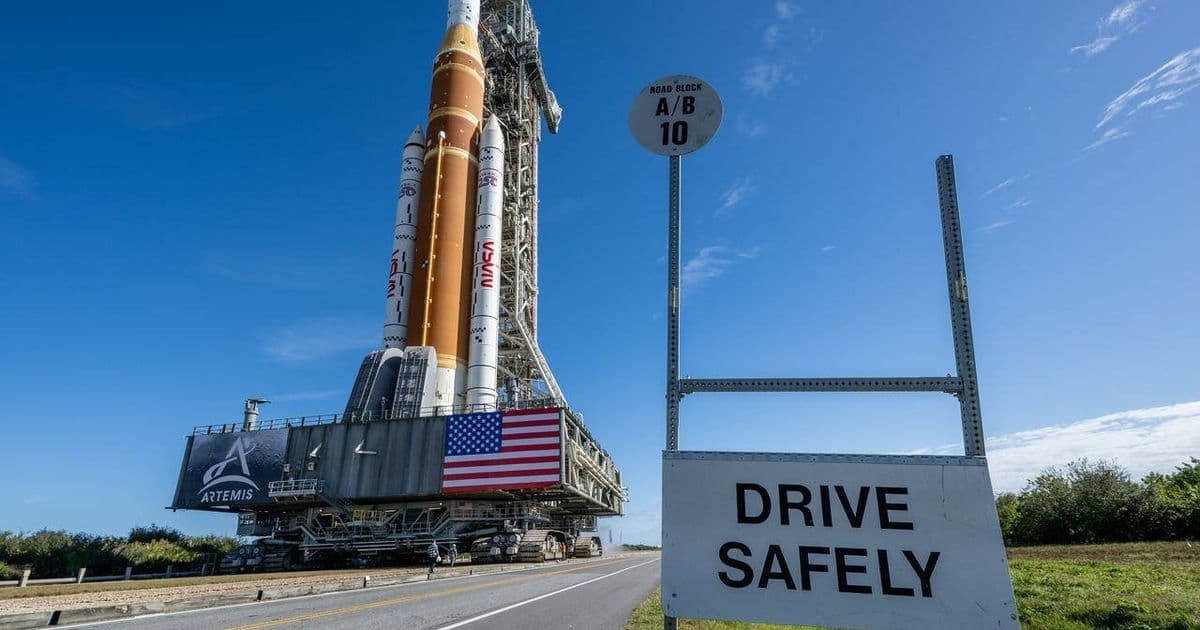
Persistent helium flow interruptions in the Space Launch System force NASA to postpone the crewed lunar mission for the second time, requiring extensive repairs that jeopardize the agency's return-to-Moon timeline.
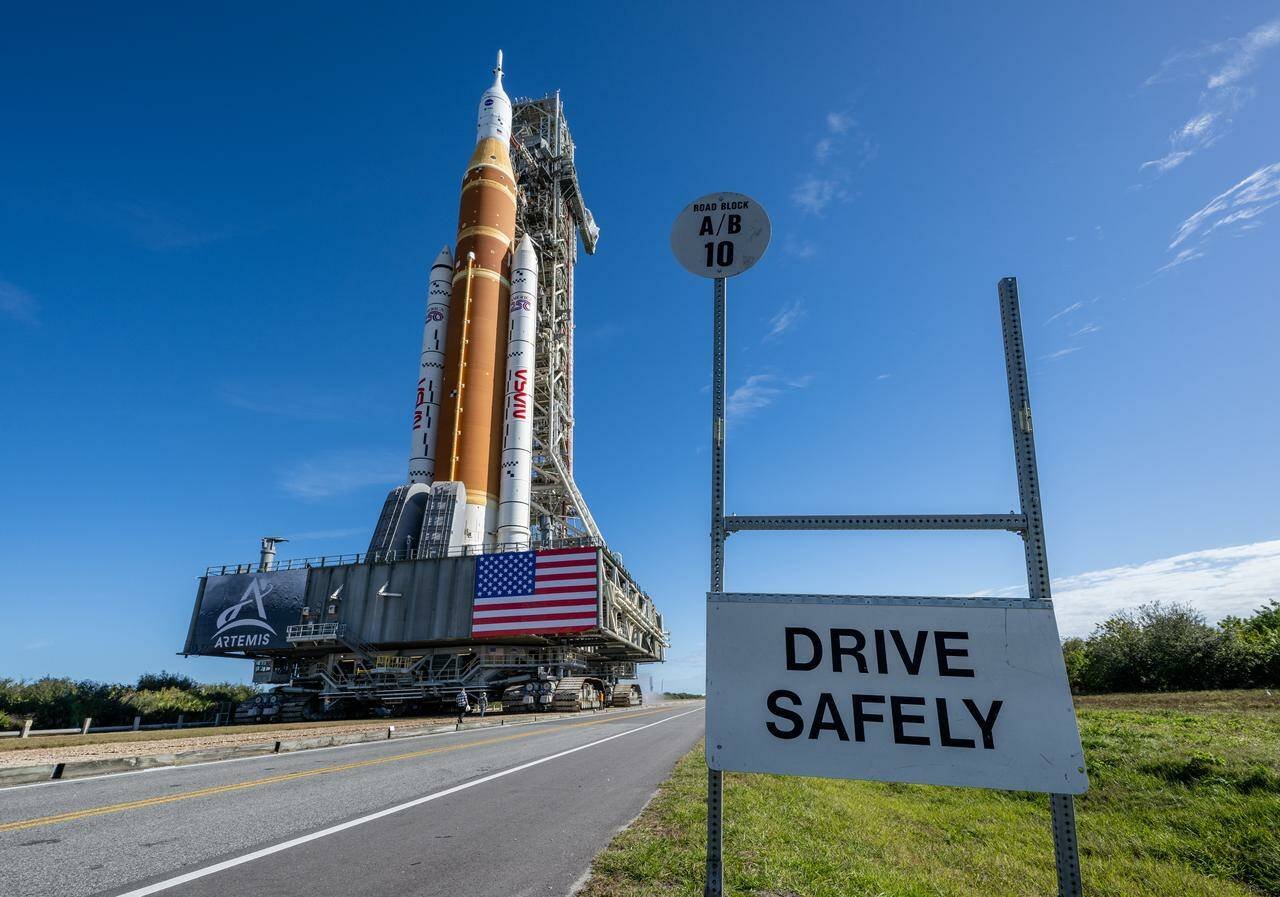
NASA has postponed the Artemis II lunar mission to April 2026 at the earliest following critical failures in the Space Launch System's helium delivery system. This marks the second major delay for the mission, which was originally scheduled for February 2026 before being pushed to March due to unrelated hydrogen leaks. The latest setback requires rolling the entire rocket assembly back to Kennedy Space Center's Vehicle Assembly Building (VAB) for comprehensive diagnostics and repairs.
The core issue involves intermittent helium flow to the Interim Cryogenic Propulsion Stage (ICPS), the rocket's upper stage responsible for propelling the Orion capsule toward lunar orbit. Helium serves dual critical functions: maintaining stable environmental conditions within the stage's RL10 engine and pressurizing liquid hydrogen and oxygen propellant tanks. NASA confirmed the malfunction emerged during post-test reconfiguration after a successful February 19 wet dress rehearsal, where the system previously operated nominally.
Engineers are investigating three potential failure points: interface connections between ground support equipment and rocket umbilicals, a suspect valve within the ICPS itself, or blockage in a ground-to-rocket filter. The agency is also examining whether this mirrors the helium check valve malfunction that delayed the uncrewed Artemis I mission in 2022. This recurrence suggests systemic vulnerabilities in SLS propulsion systems that could impact future Artemis missions.
"Returning to the Vehicle Assembly Building is required to determine the root cause and implement corrective measures," NASA stated in its mission update. The rollback eliminates any chance of a March launch window. While agency officials cautiously cite April as the earliest possible launch date, they emphasize this hinges on successful troubleshooting, part replacements, and rigorous retesting. The extensive disassembly required for repairs creates significant schedule uncertainty, with each week of delay costing taxpayers millions in standing operations.
This development deals another blow to NASA's lunar program, which has faced multiple technical setbacks since Artemis II arrived at Launch Complex 39B in January. Previous delays stemmed from hydrogen leaks during tanking operations and complications with Orion's hatch pressurization valve. The recurring technical issues highlight persistent challenges in maintaining the SLS's complex cryogenic systems, which must operate at temperatures below -423°F (-253°C).
The four-person Artemis II crew—NASA astronauts Reid Wiseman, Victor Glover, Christina Koch, and Canadian Space Agency astronaut Jeremy Hansen—have been released from pre-flight quarantine. Their training regimen will now extend by at least two months, potentially disrupting subsequent mission preparations. Further delays could create cascading effects for Artemis III, which aims to land astronauts near the lunar south pole.
Technical analysts note that helium systems failures present particular challenges due to the gas's low molecular weight, requiring extreme leak-tight seals throughout propulsion systems. Unlike liquid propellants, helium's invisibility complicates leak detection, often requiring specialized sensors and time-consuming pressure tests. NASA's repeated propulsion issues underscore the operational fragility of the SLS platform as the agency attempts to reestablish deep space capabilities absent since the Apollo program.
The Artemis program represents a $93 billion investment through 2025, making each launch postponement fiscally consequential. With SpaceX's Starship positioned as an alternative lunar lander vehicle, continued SLS reliability concerns could accelerate calls for alternative heavy-lift solutions. NASA maintains that resolving these issues prioritizes crew safety over schedule adherence, but the compounding delays test political and public confidence in the agency's return-to-Moon timeline.
Comments
Please log in or register to join the discussion