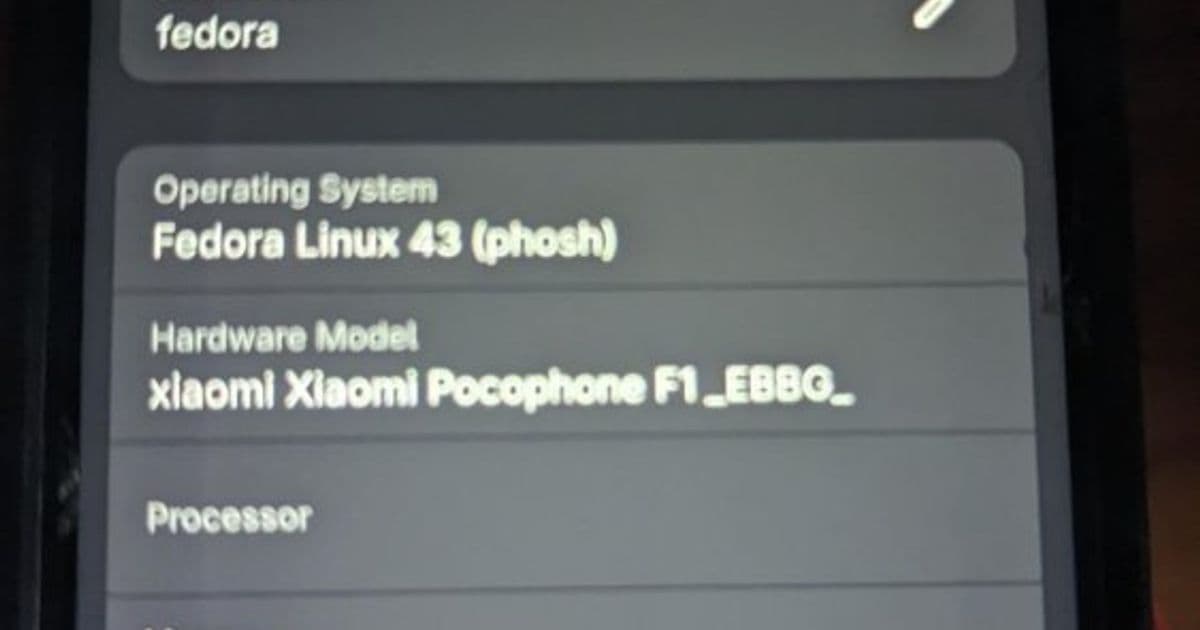
Fedora Pocketblue Remix introduces atomic update capabilities to mobile Linux, offering enhanced stability for smartphones and tablets through immutable system design and containerized packages.
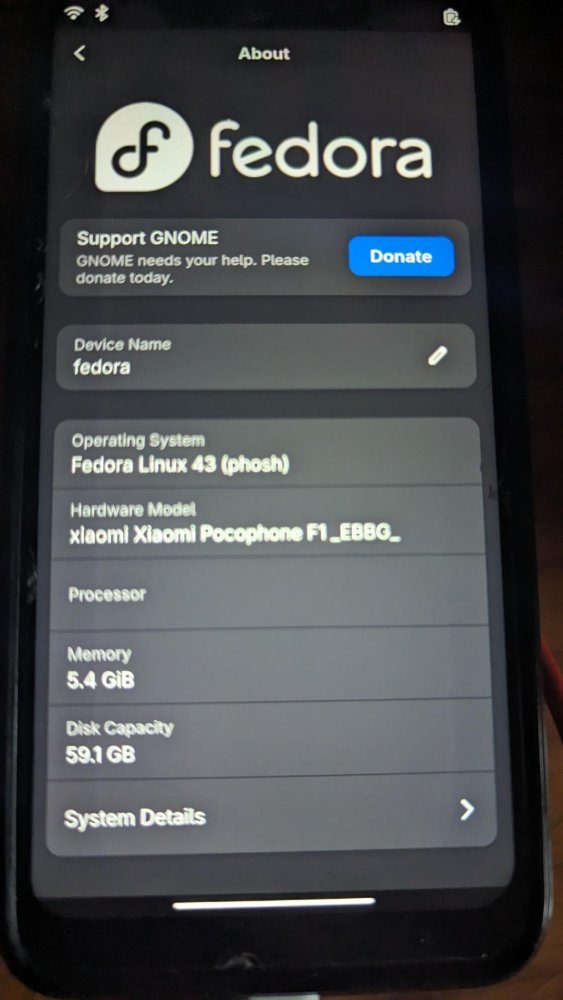
The Fedora Project ecosystem has expanded with Pocketblue Remix, a specialized Linux distribution designed specifically for mobile devices like smartphones and tablets. What distinguishes Pocketblue from other mobile Linux distributions is its atomic update system – an architectural approach that fundamentally changes how operating system updates are managed.
In atomic distributions, system updates are treated as complete, immutable units. When updates are installed:
- The entire new version of the operating system is downloaded as a complete bundle
- The update either installs successfully in its entirety or fails completely
- If installation fails, the system automatically reverts to the previous working version
- There's no intermediate "partially updated" state that could leave the system unstable
This approach eliminates one of the most common failure points in mobile Linux systems: partial updates that corrupt system files. For developers targeting mobile Linux platforms, this means:
- Enhanced stability: Critical system components remain intact during updates
- Simplified recovery: Failed updates don't require manual intervention to restore functionality
- Consistent environments: All devices run identical system versions without configuration drift
Currently supported devices include:
- Xiaomi Pad 5 and Pad 6 tablets
- Orange Pi 3 LTS single-board computer
- Xiaomi Pocophone F1, OnePlus 6, and OnePlus 6T smartphones
 image view @[email protected]
Developers can contribute to expanding device support through the Pocketblue GitHub repository. The project welcomes contributions for new device ports, kernel optimizations, and driver implementations.
For application installation, Pocketblue leverages containerized approaches:
- Flatpak is the recommended method for user applications, with Flathub repositories enabled by default
- Traditional package management (
dnf) operates within containers, isolating packages from the core system - A dedicated Pocketblue repository offers mobile-optimized packages including a Firefox mobile configuration
The atomic design extends to cross-architecture compatibility through fex-emu, which enables x86 applications to run on Arm-based devices via binary translation. This expands software availability without compromising system integrity.
For mobile Linux developers, Pocketblue's architecture presents both opportunities and considerations:
| Advantage | Development Consideration |
|---|---|
| Predictable update behavior | Apps must target Flatpak or container environments |
| Reduced device bricking risk | System-level modifications require OSTree integration |
| Consistent runtime environment | Debugging requires container-aware tooling |
As atomic Linux distributions gain traction in mobile and IoT spaces, Pocketblue provides a practical implementation specifically optimized for handheld devices. The project's official website offers comprehensive documentation on system architecture, while the GitHub repository provides resources for developers interested in porting to new hardware or contributing to the core system.
For teams evaluating mobile Linux solutions, Pocketblue represents a compelling middle ground between traditional Linux flexibility and the reliability demands of mobile computing.
Comments
Please log in or register to join the discussion