
MIT researchers have created an ultra‑efficient ASIC that runs post‑quantum cryptography on tiny biomedical implants while defending against power‑side‑channel attacks. The chip offers 20‑60× better energy efficiency than prior designs and could secure a range of resource‑constrained edge devices.
New chip can protect wireless biomedical devices from quantum attacks
MIT researchers have unveiled a microchip that can shield wireless biomedical devices from future quantum attacks. The chip is about the size of a fine needle tip and integrates post-quantum cryptography while keeping power consumption low.
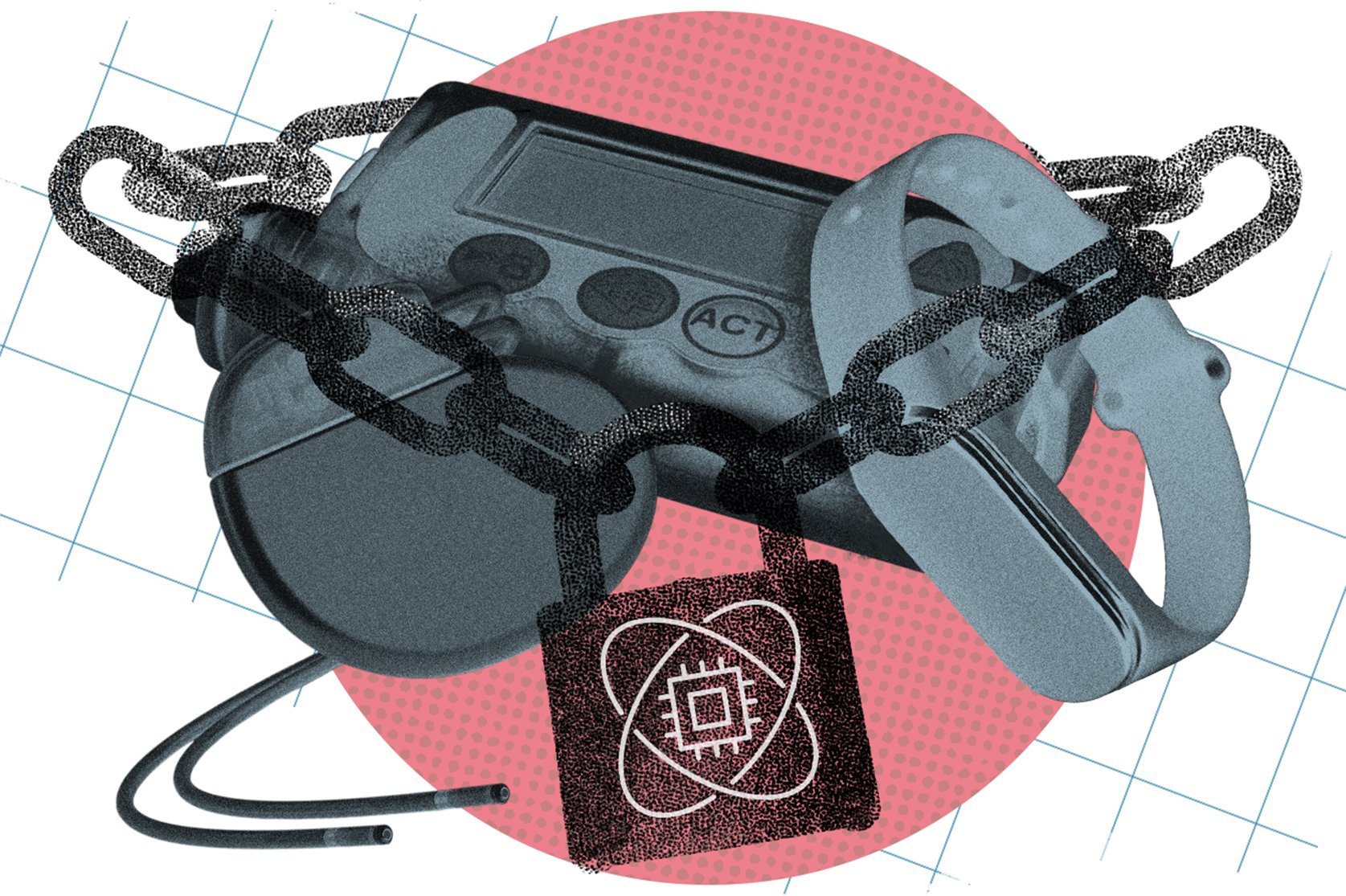
As quantum computers become more capable, they threaten to break the encryption that now protects most sensitive data. This has prompted a push for post-quantum cryptography standards that can resist such attacks. However, many biomedical implants and wearable sensors lack the energy budget to run these demanding algorithms.
To address this gap the team built an application-specific integrated circuit that runs two different post-quantum schemes simultaneously. By sharing arithmetic units and memory blocks between the schemes the chip reduces duplicate work and saves energy.

A key part of the design is an on-chip true random number generator that creates secret keys locally. This avoids the need to fetch randomness from an external component and cuts both latency and power use.
The chip also includes focused countermeasures against power side-channel attacks. Rather than protecting the entire circuit the researchers added redundancy only to the most vulnerable operations, which keeps the overhead low. An early fault-detection circuit watches for voltage glitches and aborts a cryptographic step before it finishes, preventing wasted energy on a doomed computation.
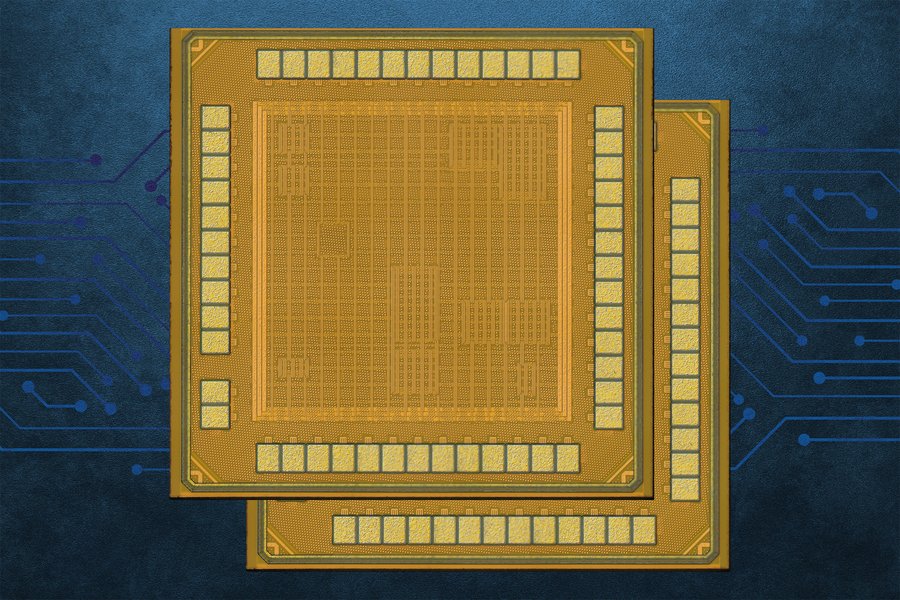
In tests the new design achieved between twenty and sixty times better energy efficiency than other post-quantum implementations while occupying a smaller silicon area than many prior chips.
Seoyoon Jang, the lead author and an EECS graduate student, said the work shows a practical way to protect patient privacy without sacrificing battery life. Anantha Chandrakasan, MIT provost and senior author, added that extending strong security to the most power-limited devices is essential as we move toward post-quantum standards.
Beyond pacemakers and insulin pumps the same techniques could protect industrial sensors, smart inventory tags and other edge devices that operate under tight power constraints. The researchers plan to explore additional applications and to refine the architecture for even lower energy use.
Comments
Please log in or register to join the discussion