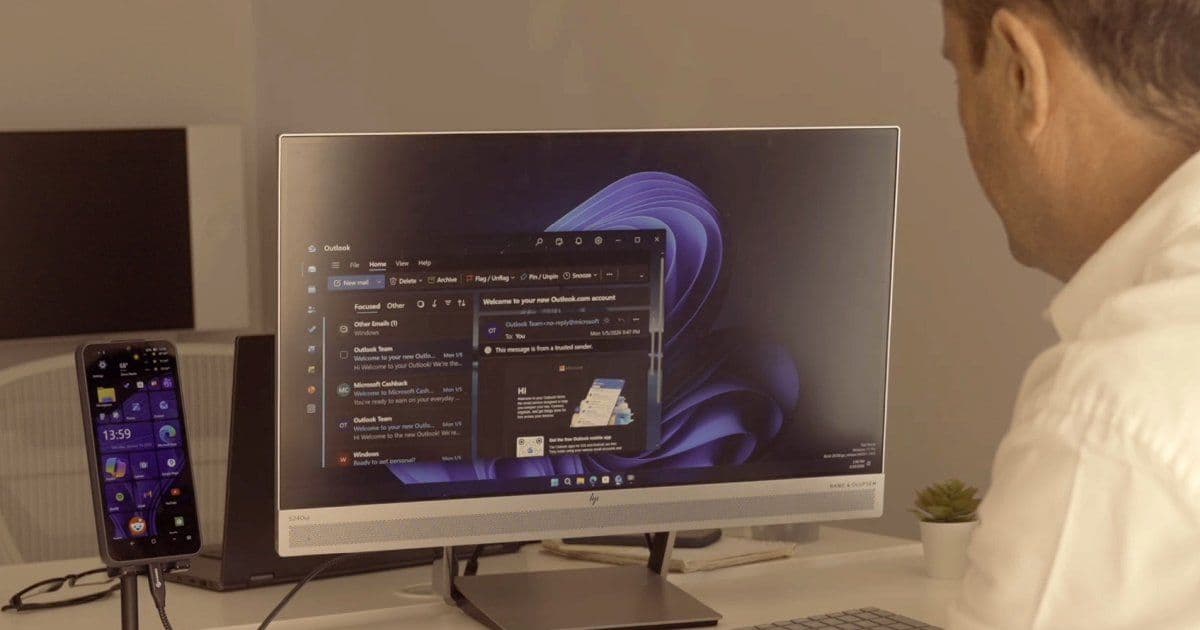
The NexPhone merges smartphone mobility with desktop functionality through Android, Debian Linux, and Windows 11 support, targeting developers and power users with its unique hybrid approach.
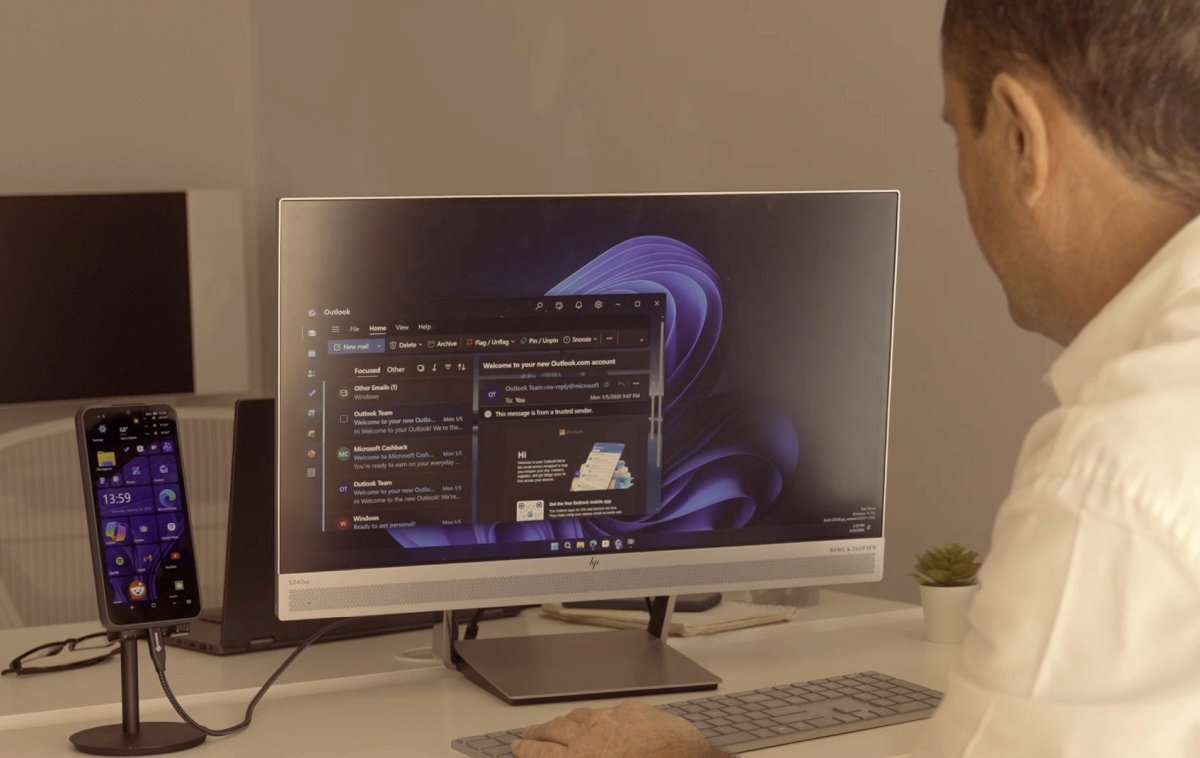
For years, the concept of a smartphone doubling as a desktop computer has tantalized tech enthusiasts. Early attempts like Microsoft's Continuum and Canonical's Ubuntu Touch faced market headwinds, but Nex Computer's NexPhone represents a renewed effort leveraging contemporary hardware capabilities and software advancements. This device introduces a novel triple-OS architecture that could reshape how developers approach cross-platform applications.
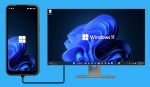
At its core, the NexPhone runs Android 16 as its primary mobile OS, while incorporating Debian Linux as an executable application within Android. More significantly, it supports Windows 11 via dual-boot configuration – a feature enabled by its Qualcomm DragonWing QCM6490 processor, which Microsoft officially supports for Windows on Arm. This chipset, typically used in IoT enterprise devices, offers extended support through 2036, providing long-term stability for developers.
The hardware specifications reveal a mid-range foundation:
- Display: 6.58" FHD+ (2403×1080) adaptive 60-120Hz panel
- Processor: Qualcomm QCM6490 (comparable to Snapdragon 778G)
- Memory: 12GB RAM + 256GB storage (expandable via microSD)
- Connectivity: USB 3.1 Type-C with video-out, WiFi 6E, 5G
- Durability: IP68/IP69K/MIL-STD-810H certification
For mobile developers, the NexPhone presents intriguing considerations. Native Android apps can transition to desktop mode via NexDock accessories, while Linux support enables direct execution of desktop-grade tools. The Windows 11 implementation raises practical questions: How will telephony functions behave during desktop sessions? Can background services bridge OS boundaries? These unanswered questions suggest developers may need to architect notification systems and state preservation mechanisms differently.
Cross-platform implications extend further. Flutter and React Native developers gain a new testbed for adaptive UIs that must scale from 6-inch touchscreens to 24-inch desktop displays. Linux compatibility opens doors for containerized development environments, while Windows support enables full Visual Studio operation – all from a pocket-sized device. However, thermal constraints of mobile chipsets may limit sustained performance during intensive compilation tasks.
The $549 device ships with a 5-port USB-C hub, acknowledging its desktop-use paradigm. Pre-orders require a $199 deposit ahead of Q3 2026 availability. For developers, this represents more than hardware – it's a test case for true OS convergence. Successful adoption could accelerate frameworks that unify mobile and desktop experiences, while market reception will indicate whether consumers value this hybrid approach enough to compromise on flagship mobile features.
As prototypes demonstrated at CES 2026 show promise, the NexPhone's ultimate impact may lie in pushing Android's desktop capabilities forward. Google's work on Fuchsia OS and Microsoft's evolving Windows on Arm ecosystem could find unexpected synergy here. For developers targeting multi-OS environments, this device warrants close observation as a potential catalyst for unified development workflows that transcend traditional device categories.
Comments
Please log in or register to join the discussion