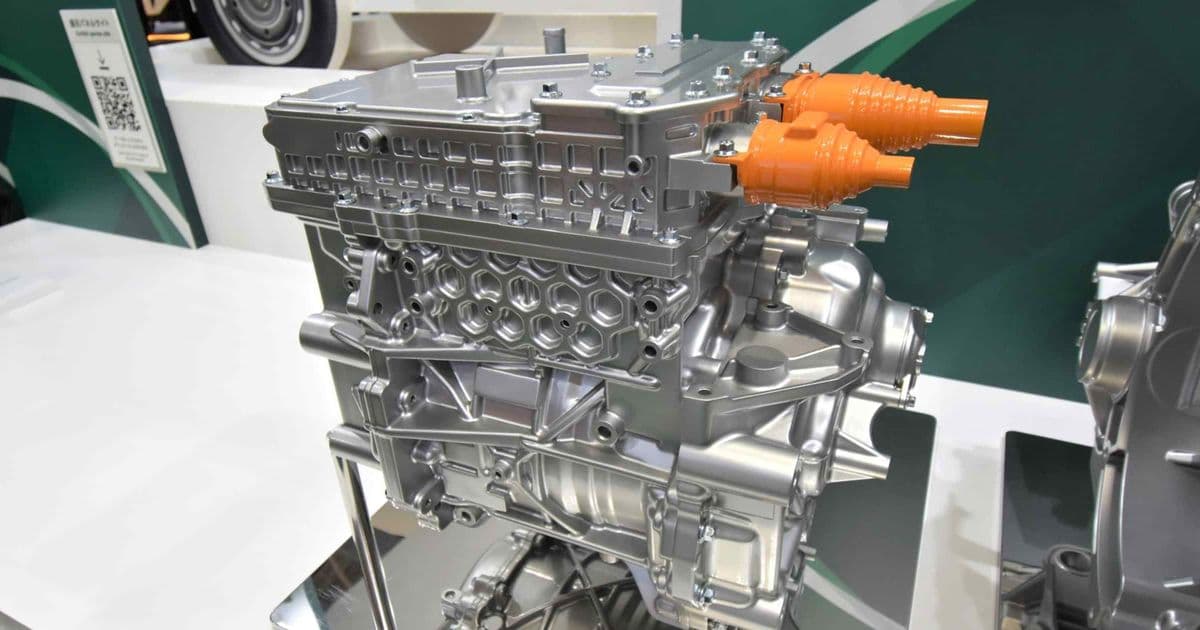
Nissan has abandoned its plan to build electric drive units in the United Kingdom, citing weak sales of key EV models across Europe. The decision reflects a broader slowdown in the region’s EV market and forces a rethink of Nissan’s global production footprint.
Nissan pulls the plug on its UK e‑axle project
Nissan Motor Co. announced on May 24 that it will scrap the £210 million investment earmarked for a new e‑axle manufacturing facility in Sunderland, England. The move comes after a string of disappointing sales figures for the Leaf, Ariya and other EV models in the European Union, where total EV registrations fell 12 % in the first quarter of 2026 compared with the same period last year.
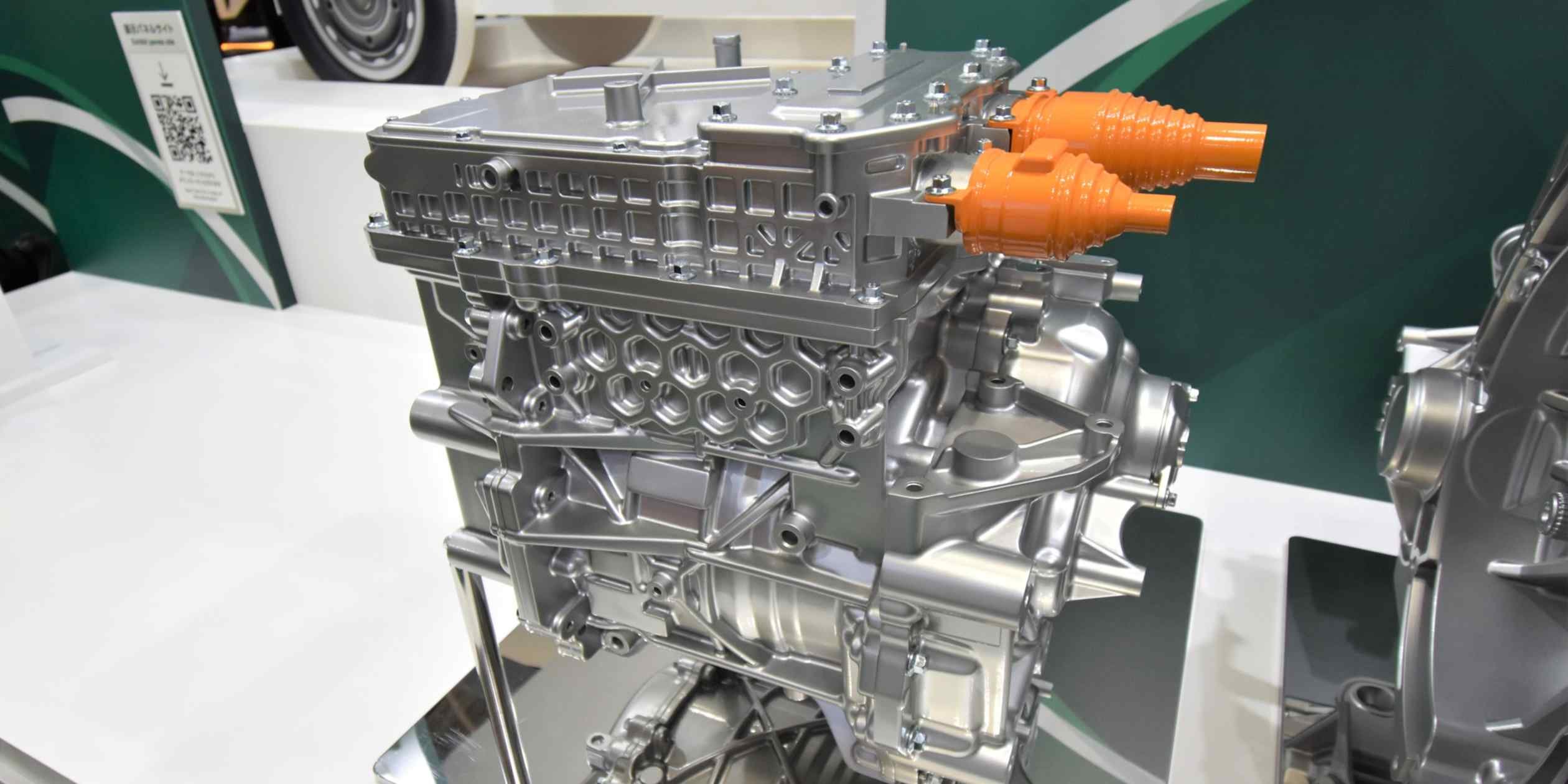
Market context: Europe’s EV slowdown
The European EV market, which had been the fastest‑growing region in 2023‑24, entered a contraction phase in early 2026. According to the European Automobile Manufacturers Association (ACEA), registrations of battery‑electric cars dropped to 1.3 million units in Q1 2026, down from 1.5 million a year earlier. The decline is driven by three converging factors:
- Incentive roll‑backs – Germany, France and the UK reduced or eliminated purchase subsidies after reaching their fiscal caps, cutting the price advantage of EVs by up to 15 %.
- Supply‑chain bottlenecks – A shortage of nickel‑based cathode material pushed battery pack prices up 8 % YoY, squeezing margins for manufacturers that rely on volume sales.
- Consumer confidence – Rising electricity prices and concerns over charging infrastructure have slowed adoption, especially in Southern Europe where public‑charging density remains below 0.5 stations per 10 km of road.
Nissan’s European sales fell 9 % year‑over‑year in 2025, with the Ariya accounting for just 4 % of the brand’s total EU sales. The company’s market share slipped from 2.3 % in 2023 to 1.8 % in 2025, prompting a strategic review of its production network.
What the cancellation means for Nissan and the wider industry
Nissan’s production strategy
- Shift to Asia‑Pacific – Nissan plans to concentrate its e‑axle output at its existing plant in Yokohama, Japan, where it can leverage the Jatco subsidiary’s existing capacity of 200,000 units per year. The Yokohama site already produces the latest 800‑V drive units used in the Ariya and upcoming Z‑Series EVs.
- Cost containment – By avoiding the £210 million sunk cost of the Sunderland build‑out, Nissan expects to improve its FY‑26 operating margin by roughly 0.4 percentage points, helping it target a net profit for the first time in three years.
- Supply‑chain realignment – The company will deepen its partnership with battery supplier Envision AESC, securing a long‑term supply of LFP cells that are less sensitive to nickel price volatility.
Implications for the UK automotive sector
- Job impact – The Sunderland cancellation eliminates an estimated 350 direct jobs and 1,200 indirect positions linked to the supply chain. The UK government has pledged a £30 million support package for affected workers, but the loss underscores the fragility of the UK’s EV manufacturing ambitions.
- Policy reconsideration – The decision may prompt Westminster to revisit its EV incentive scheme, which currently offers a £4,500 grant for zero‑emission cars. Industry groups argue that a more stable, long‑term subsidy framework is needed to retain foreign investment.
Signals for other OEMs
- Re‑evaluation of European footprints – Nissan is not alone; other manufacturers such as Honda and Hyundai have recently announced pauses or scale‑backs of European EV projects. The trend suggests a broader industry pivot toward consolidating production in regions with more predictable policy environments and lower component costs.
- Focus on modular platforms – Companies are increasingly opting for modular drive‑unit architectures that can be produced in a single location and shipped globally, reducing the need for multiple regional factories.
Bottom line
Nissan’s abandonment of the UK e‑axle plant highlights how quickly the European EV market can shift from rapid growth to contraction. The move protects Nissan’s balance sheet in the short term but raises questions about the UK’s ability to attract future EV manufacturing projects. For the wider industry, the episode reinforces the importance of flexible supply chains and policy stability as the sector navigates a volatile market environment.
Comments
Please log in or register to join the discussion