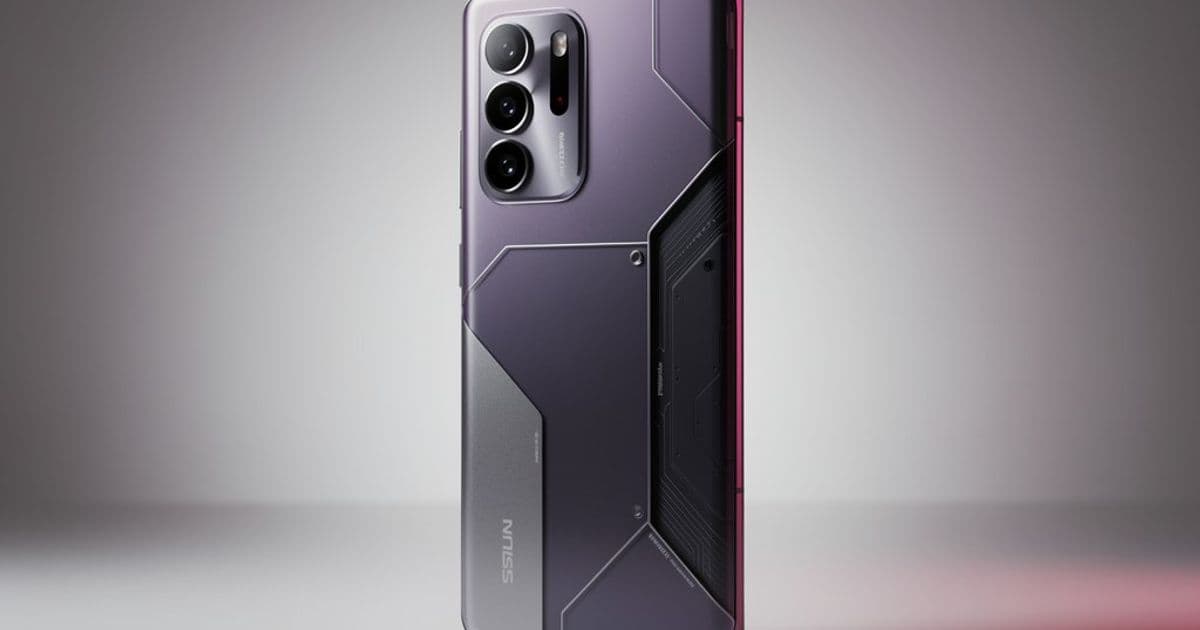
The Nothing Phone (4a) has received regulatory certification in the UAE, confirming its imminent arrival as the successor to last year's popular mid-range models. With a potential price increase and key upgrades like UFS 3.1 storage and eSIM support on the Pro model, Nothing is preparing to refresh its accessible lineup while maintaining its distinctive design language.
The Nothing Phone (4a) has officially appeared in regulatory filings, signaling that its launch is now a matter of weeks rather than months. The device, identified by model number A069, was certified by the UAE's Telecommunications and Digital Government Regulatory Authority (TDRA), a standard step for any smartphone preparing for a global release.
This certification follows a series of leaks and official teasers that have been building anticipation for Nothing's next mid-range duo. The Nothing Phone (3a) and (3a) Pro launched in March 2024, and their successors are following a similar timeline. The Pro variant, expected to be called the Nothing Phone (4a) Pro, was first identified in an IMEI database listing last September with the model number A069P. The 'P' suffix clearly differentiates it from the standard model, and the TDRA certification for A069 confirms the base model's existence.
What to Expect: Hardware and Ecosystem Upgrades
While the TDRA certification itself doesn't reveal specifications, it confirms the device's readiness for market. Based on previous leaks and Nothing's own recent announcements, we can piece together a likely picture of the upcoming phones.
Performance and Storage: Both the Nothing Phone (4a) and (4a) Pro are expected to be powered by Qualcomm's Snapdragon 7 series chipsets. This places them firmly in the competitive mid-range segment, offering a balance of performance and efficiency suitable for daily tasks, gaming, and Nothing's signature Glyph Interface animations. More significantly, Nothing has confirmed that at least one model will feature UFS 3.1 storage. This is a notable upgrade from the eMMC storage used in some previous mid-range models, resulting in faster app loading times, quicker file transfers, and a smoother overall user experience.
Connectivity: A key differentiator for the Pro model may be eSIM support. This feature, increasingly common in premium phones, allows users to activate a cellular plan without a physical SIM card. It's particularly useful for travelers, those who switch carriers frequently, or users who want to maintain separate personal and work lines on a single device. The standard model may retain a physical SIM tray, creating a clear feature gap between the two variants.
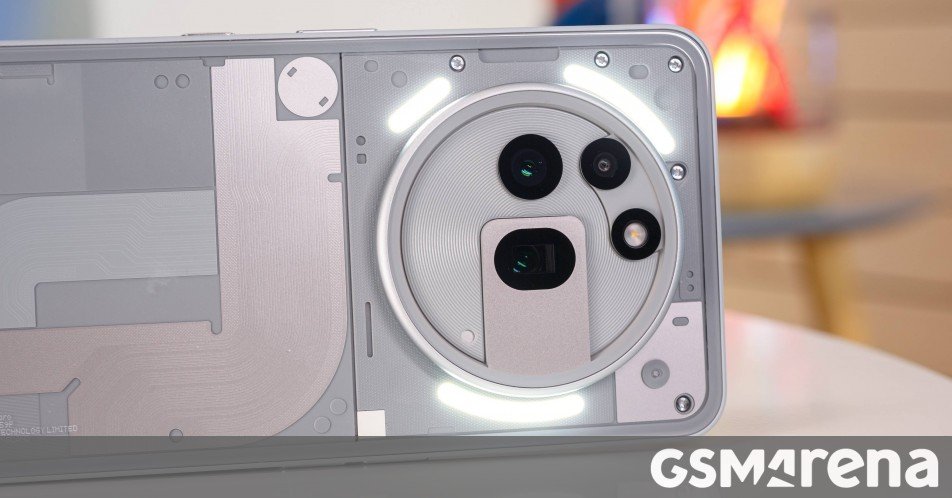
Design and Colors: Nothing's transparent design language, which showcases internal components, will likely continue. Leaks suggest both phones will be available in four colors: blue, pink, white, and black. This gives consumers more choice than the previous generation, which had a more limited palette.
The Price Hike Question
Nothing has already signaled a potential price increase for its mid-range lineup. The company confirmed a storage upgrade for at least one model, which often comes with a corresponding cost adjustment. The Nothing Phone (3a) launched at €299 for the 128GB/8GB RAM model, while the (3a) Pro started at €409 for 256GB/12GB RAM. If the (4a) series adopts UFS 3.1 storage and potentially a more powerful chipset, a price bump of €20-€50 seems plausible. This would keep the phones competitive with rivals like the Google Pixel A-series and Samsung's Galaxy A-lineup, while reflecting the improved internal specifications.
Ecosystem Context: Lock-In and Software Support
Nothing's strategy with its 'a' series is clear: offer a more accessible entry point into its ecosystem. While the flagship Phone (2) and (2a) models showcase the full potential of the Glyph Interface and premium materials, the 'a' series brings the core experience—clean Android, unique design, and the distinctive LED glyph system—to a wider audience.
The key consideration for buyers is ecosystem lock-in. Nothing runs a nearly stock version of Android with its own custom launcher and glyph controls. While this means less bloatware, it also means users are buying into Nothing's specific software vision. The company's update policy is also a factor; Nothing has committed to three years of major Android updates and four years of security patches for its recent devices. Prospective buyers should check if this policy extends to the (4a) series, as it's a critical factor in long-term value.
The certification in the UAE is a strong indicator that the global launch is imminent. With the Mobile World Congress (MWC) in Barcelona typically happening in late February or early March, it's a prime venue for Nothing to officially unveil the Phone (4a) and (4a) Pro. Once launched, the devices will compete in a crowded mid-range market, but their unique design and focus on specific upgrades like UFS 3.1 storage and eSIM could help them stand out.
For now, the TDRA listing is the most concrete evidence we have that the phones are moving from rumor to reality. As we await the official announcement, the focus will be on how Nothing balances price, performance, and its signature design to appeal to value-conscious consumers who don't want to sacrifice personality for affordability.
Sources: TDRA Certification Database, GSMArena Nothing Phone (3a) Review, Nothing Official Website
Comments
Please log in or register to join the discussion