The Notion MCP Challenge invites developers to build impressive systems using Notion's MCP capabilities, creating human-in-the-loop workflows that scale globally without manual intervention.
In today's distributed development landscape, teams struggle with fragmented workflows across multiple tools and platforms. The Notion MCP Challenge, running through March 29, addresses this fundamental problem by encouraging participants to centralize their workflows using AI-powered documentation, project management, and notes systems.
The Problem: Fragmented Development Workflows
Modern development teams typically juggle multiple specialized tools: version control systems like GitHub, project management platforms like Jira, documentation sites like Confluence, and communication tools like Slack. This fragmentation creates several systemic issues:
- Context switching overhead: Engineers spend valuable time switching between different interfaces and mental models
- Information silos: Critical knowledge gets trapped in specialized tools, reducing organizational learning
- Inconsistent processes: Different teams adopt different workflows, creating operational friction
- Scalability challenges: As organizations grow, maintaining consistency across distributed teams becomes increasingly difficult
Solution Approach: Notion MCP as Integration Hub
The Notion MCP (Machine Control Protocol) Challenge presents an alternative approach by positioning Notion as the central nervous system for development workflows. The challenge encourages participants to build systems where:
- Documentation drives implementation: Technical specifications directly translate into executable code
- Human oversight remains critical: AI handles routine tasks while humans focus on high-value decision points
- Global operations without manual intervention: Systems function across time zones without constant human supervision
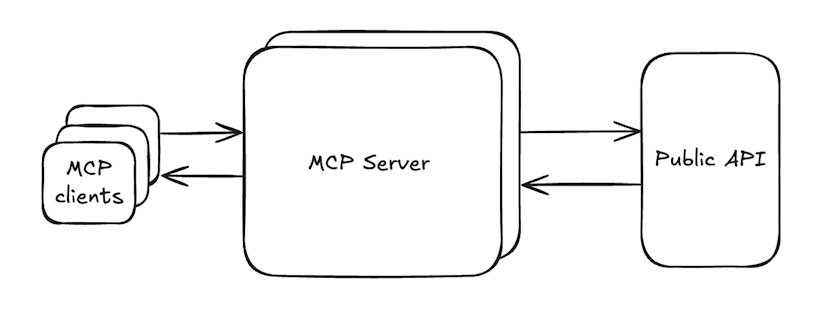
This approach aligns with modern architectural patterns where stateless services communicate through well-defined APIs. Notion MCP provides the glue between different components, maintaining consistency while allowing individual services to scale independently.
Technical Implementation Patterns
Participants in the challenge are exploring several architectural patterns:
1. Event-Driven Documentation Systems
These systems use Notion as the source of truth for technical specifications. Changes to documentation automatically trigger CI/CD pipelines, ensuring implementation matches specifications. This pattern mirrors event-sourced architectures where state changes drive system behavior.
2. AI-Assisted Code Generation
By leveraging Notion's AI capabilities, teams can generate boilerplate code from documentation. This creates a tight coupling between specification and implementation, reducing translation errors and accelerating development cycles.
3. Global Task Orchestration
The most ambitious implementations create global workflows where tasks are distributed across time zones. When one team completes their workday, automated systems hand off tasks to teams in different regions, creating a 24-hour development cycle without human intervention during handoffs.
Trade-offs and Considerations
While the Notion MCP approach offers compelling benefits, participants are navigating several trade-offs:
Consistency vs. Flexibility
Centralizing workflows in Notion provides consistency but may reduce flexibility for specialized use cases. Teams must balance standardization with the need for domain-specific tools.
Stateful vs. Stateless Operations
Notion's MCP implementation introduces interesting questions about state management. While the overall system benefits from stateless microservices, the central Notion hub maintains state across operations. This hybrid approach requires careful consideration of eventual consistency models.
Security and Access Control
Centralizing workflows increases the importance of robust access controls. Participants must implement granular permission models that balance collaboration needs with security requirements.
Scalability Implications
The most successful implementations demonstrate how Notion MCP can scale across organizations:
- Horizontal scaling: As teams grow, additional Notion workspaces can be federated while maintaining consistent processes
- API-first design: Notion's REST API allows integration with existing toolchains, avoiding vendor lock-in
- Caching strategies: For performance-critical applications, implementing appropriate caching layers reduces reliance on Notion's API rate limits
Getting Started with the Challenge
Teams interested in participating should focus on identifying high-friction workflows in their current processes. The most impactful solutions often address these pain points:
- Automating routine documentation updates
- Creating bidirectional synchronization between code repositories and documentation
- Implementing AI-powered code reviews based on architectural standards
The challenge emphasizes "human-in-the-loop" systems, meaning AI should augment rather than replace human judgment. The most successful implementations maintain human oversight at critical decision points while automating routine tasks.
Conclusion
The Notion MCP Challenge represents an exploration of how centralizing workflows can reduce complexity in distributed development environments. By positioning Notion as the integration hub, teams can create more consistent, scalable processes without sacrificing flexibility.
As the challenge continues through March 29, we're likely to see innovative approaches that blend AI capabilities with human expertise. These implementations may provide valuable insights for the broader software development community about the future of integrated development environments.
For more information about participating in the challenge, visit the official Notion MCP Challenge page.
Comments
Please log in or register to join the discussion