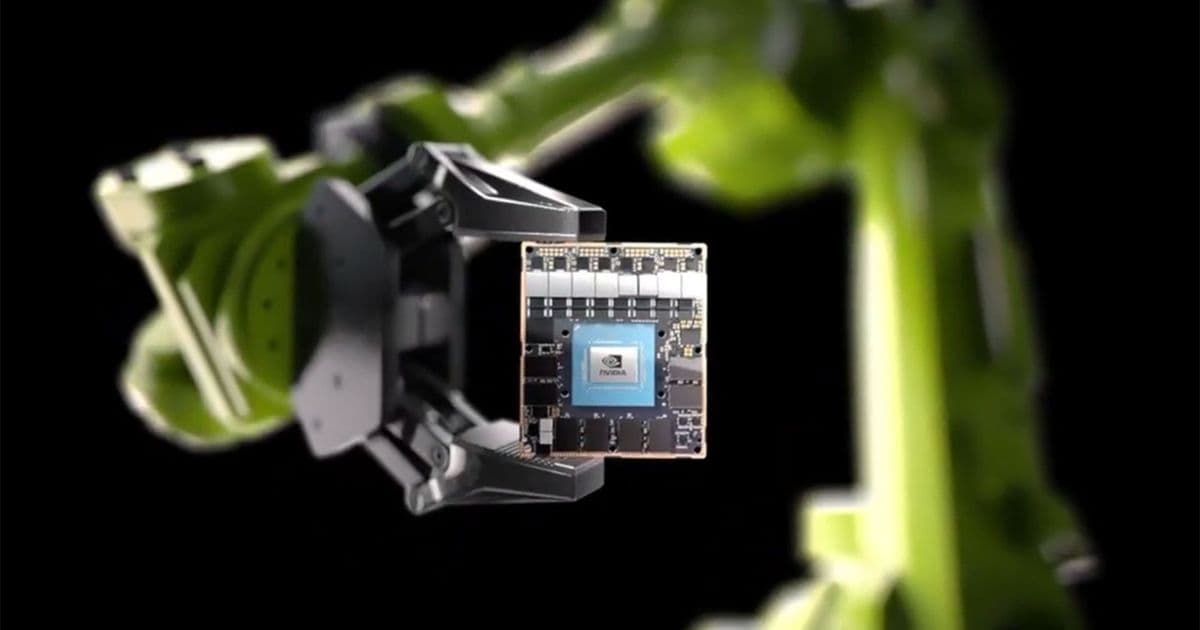
Nvidia has moved several older Jetson AI processor families to Non-Cancellable, Non-Returnable (NCNR) status due to LPDDR4 memory shortages, forcing developers to migrate to newer Orin and Thor platforms.
Nvidia has significantly accelerated the end-of-life timeline for several of its older Jetson AI processor families, citing ongoing LPDDR4 memory shortages that have made these modules increasingly difficult to source. The affected products, primarily from the Xavier and TX2 series, have been moved to Non-Cancellable, Non-Returnable (NCNR) status, signaling that manufacturers can no longer guarantee long-term supply for these embedded computing platforms.
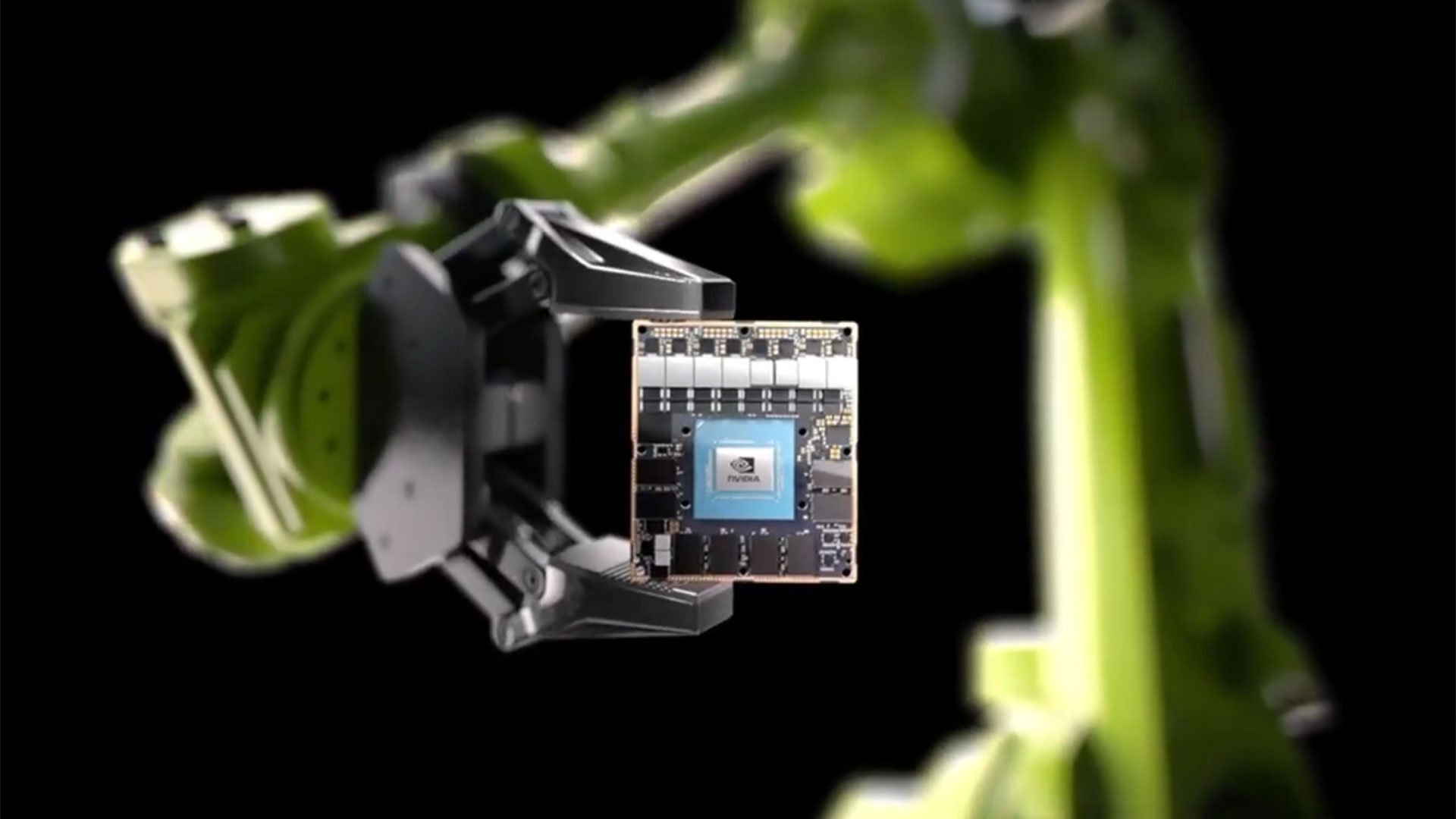
According to Connect Tech, a Canadian supplier and system integrator for AI systems, Nvidia has marked all TX2 and Xavier models as NCNR on its side. The specific devices affected include the Jetson TX2 NX, the Jetson TX2i (all SKUs), the Jetson AGX Xavier 32GB Industrial variant, and the Jetson Xavier NX in 8GB and 16GB versions. The timeline for this transition is critical: final purchase orders must be submitted by July 1st, existing purchase orders will convert to NCNR status on July 15th, and the last shipments of these modules will occur by July 15th of next year.
The timing of this announcement isn't arbitrary. The affected processors represent older generations of Nvidia's embedded AI lineup, with the TX2 originally introduced in 2017 and the Xavier family debuting in 2018. While some specific variants remained available as recently as 2021, the underlying architecture and memory requirements have made these platforms increasingly vulnerable to the ongoing memory industry shifts.
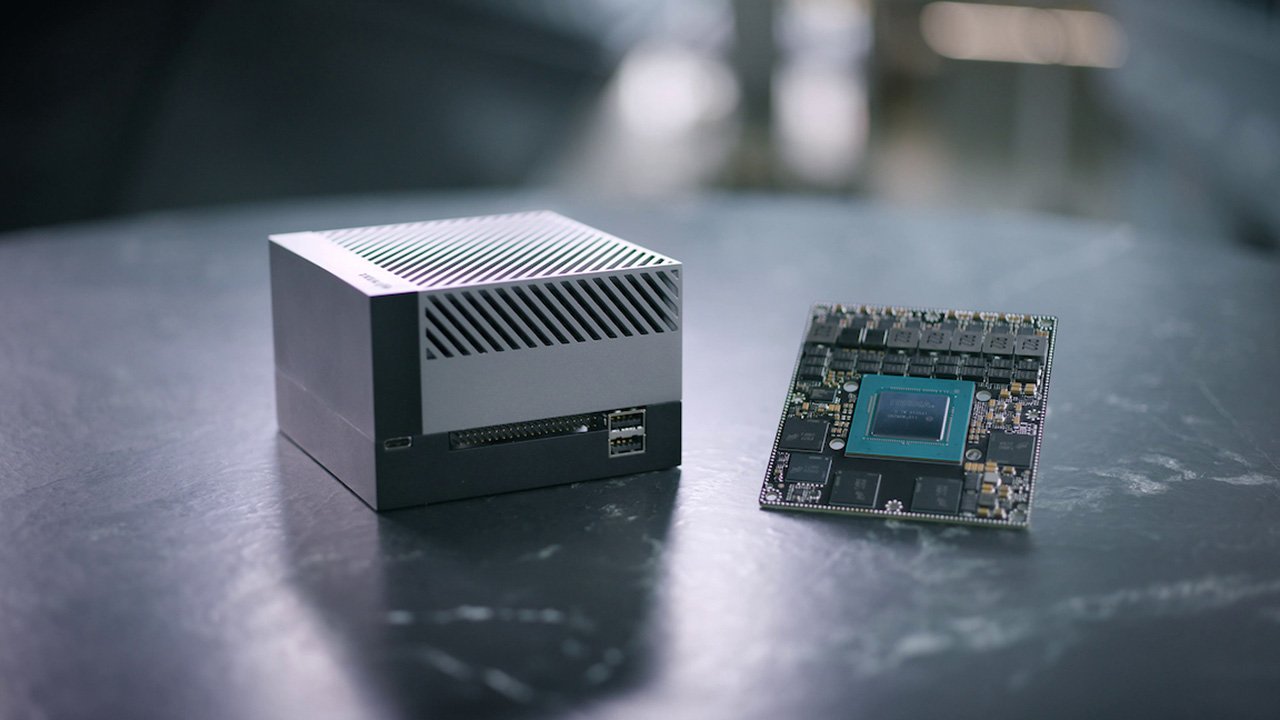
From a technical perspective, the migration path from these older platforms to newer generations is relatively straightforward. The Jetson Orin NX serves as a near drop-in replacement for the Xavier NX platform, maintaining similar form factors and power envelopes. For developers utilizing more specialized I/O configurations, some adjustments may be necessary, but the core compatibility remains strong.
The transition from AGX Xavier to AGX Orin is even more direct, as both platforms utilize the same 699-pin connector family. While power delivery and thermal characteristics require validation during the migration process, the fundamental hardware compatibility reduces development time and risk.
The root cause of this accelerated EOL timeline stems from what industry observers have termed the "RAMpocalypse"—a fundamental reallocation of memory manufacturing capacity away from legacy technologies like LPDDR4 toward higher-margin components. Memory manufacturers have prioritized production of DDR5 and HBM (High Bandwidth Memory) components, which command premium pricing and serve the rapidly expanding AI accelerator market.
This shift has created a supply bottleneck for LPDDR4, the memory technology used by the affected Jetson modules. The pricing for LPDDR4 has skyrocketed not due to increased demand, but rather due to reduced manufacturing capacity. As memory vendors consolidate production on more profitable nodes, legacy memory technologies like LPDDR4 face diminishing supply channels.
The impact of this memory industry shift extends beyond Nvidia's product lines. Embedded systems requiring long lifecycle guarantees find themselves in an increasingly precarious position. Unlike consumer electronics that typically have 12-18 month product cycles, industrial and embedded platforms often require 5-10 year availability commitments. When supply constraints emerge, these legacy platforms are typically the first to face ordering restrictions.
The NCNR designation represents the earliest visible signal of this supply chain pressure. Once components reach NCNR status, distributors and manufacturers can no longer guarantee replenishment, forcing customers to either secure lifetime buys or migrate to newer platforms.
For developers and system integrators working with these older Jetson modules, the immediate implications are clear. The window to secure long-term supply is rapidly closing, with final orders due in early July. Migration to the Orin platform is no longer merely a performance upgrade but a strategic necessity for maintaining project viability.
The newer Orin and Thor systems, while utilizing more expensive LPDDR5 memory, remain available despite the broader industry pressures. This availability reflects Nvidia's strategic positioning within the embedded AI market, ensuring that its current-generation platforms can meet the demands of industrial applications requiring extended lifecycle support.
Developers facing this transition should assess their specific requirements carefully. The Orin NX offers a direct migration path for Xavier NX applications, while the AGX Orin provides enhanced computational capabilities for more demanding workloads. Both platforms maintain software compatibility with existing Jetson SDKs, reducing the development burden associated with the transition.

This acceleration of legacy platform retirement underscores the broader challenges facing the embedded computing industry. As AI workloads continue to evolve, the hardware platforms supporting these applications must adapt accordingly. The memory industry's shift toward higher-bandwidth, higher-margin components is fundamentally reshaping the embedded landscape, creating both challenges and opportunities for developers and manufacturers alike.
For Nvidia, this transition represents a strategic realignment of its embedded product portfolio, focusing resources on platforms that can meet the computational demands of next-generation AI applications while maintaining the long-term supply commitments required by industrial customers. The accelerated EOL timeline for older Jetson modules reflects both market realities and Nvidia's commitment to supporting the embedded AI ecosystem through this period of industry transformation.
Developers with existing deployments on the affected platforms should prioritize migration planning to avoid potential supply disruptions. While the timeline provides a buffer period, the complexity of embedded system transitions necessitates careful planning and validation to ensure continued operational integrity.
Comments
Please log in or register to join the discussion