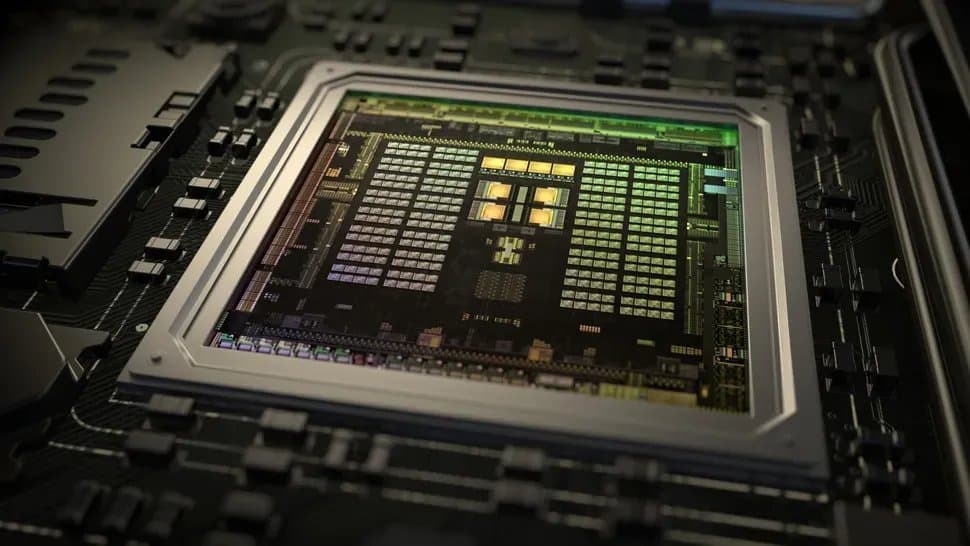
Coordinated social posts from Nvidia and Microsoft suggest the upcoming Computex keynote will unveil a Windows‑on‑Arm laptop platform built around Nvidia’s GB10 Superchip. The N1X concept could bring a unified‑memory AI engine to mainstream PCs, but bandwidth limits and current silicon shortages imply a high‑price, niche launch.
Nvidia and Microsoft tease "a new era of PC" ahead of Computex 2026
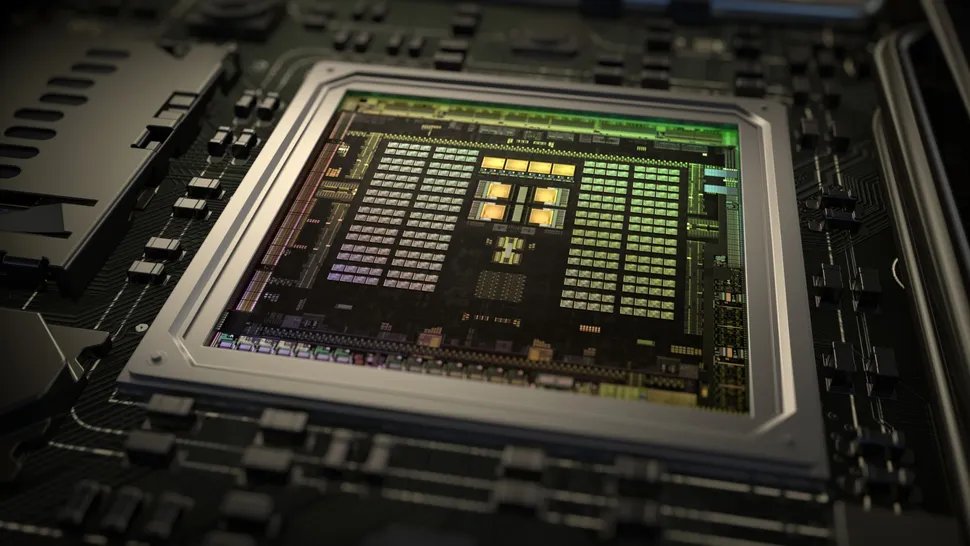 Image credit: Nvidia
Ahead of Computex next week, Nvidia’s official channels posted a cryptic teaser – “a new era of PC” – together with the latitude and longitude of the Taipei Music Center, where CEO Jensen Huang will deliver his GTC Taipei 2026 keynote. The same message appeared on Microsoft’s Windows X/Twitter account, a coincidence that many analysts interpret as a coordinated hint that the long‑rumored N1X laptop platform could be unveiled, and that it may run Windows on Arm.
Technical specs that are emerging from the rumor mill
| Feature | Expected value | Comments |
|---|---|---|
| SoC | Nvidia GB10 "Superchip" (mobile variant) | Same silicon that powers the DGX Spark mini‑PC, now adapted for a laptop form factor. |
| GPU | RTX 5070‑class core, unified‑memory architecture | Shares LPDDR5X pool with CPU; peak memory bandwidth ~273 GB/s. |
| CPU | MediaTek‑designed 20‑core Arm complex | Likely a custom Cortex‑X series design tuned for AI workloads. |
| Memory | 128 GB LPDDR5X (baseline) – lower‑tier options expected | Unified memory simplifies data movement for AI but caps bandwidth. |
| Storage | PCIe 4.0 NVMe SSD, 2 TB baseline | High‑capacity SSDs remain pricey in 2026. |
| OS | Windows 11 on Arm (with full Win32/x64 emulation) | Microsoft’s push to broaden the Windows‑on‑Arm ecosystem. |
| Connectivity | Optional 10 GbE NIC (found in DGX Spark) – likely omitted in laptops | Adds cost; may be replaced by Wi‑Fi 7/5G combo. |
The GB10 chip integrates GPU, CPU, and memory controller on a 5 nm process. Its unified‑memory architecture (UMA) eliminates the need for separate GDDR memory, which simplifies board design and reduces power draw, but the shared LPDDR5X pool delivers only 273 GB/s of bandwidth. By comparison, a typical laptop with a discrete RTX 4070‑Ti and 8 GB of GDDR6 delivers ~448 GB/s. The bandwidth gap will be most visible in rasterized gaming and high‑resolution video workloads, but AI inference workloads that can keep data resident in the same memory pool may still see strong performance.
Market implications and supply‑chain outlook
- Pricing pressure – The DGX Spark sells for roughly $5,000 in its current configuration, largely because of the exotic 10 GbE NIC and the 128 GB memory kit. Even if the NIC is dropped for a laptop, the cost of LPDDR5X at scale remains high. Early‑adopter N1X laptops are therefore likely to start north of $3,500, positioning them above premium ultrabooks but below workstation‑grade mobile workstations.
- Silicon crunch – 2025‑2026 has seen persistent shortages of high‑bandwidth memory and advanced 5 nm wafers. Nvidia’s reliance on TSMC’s 5 nm node means that any ramp‑up for N1X will compete with demand from automotive and data‑center GPUs. Expect limited initial production runs and long lead times for OEMs.
- Windows‑on‑Arm ecosystem – Microsoft’s current Windows‑on‑Arm partners (e.g., Qualcomm‑based Surface Pro X) have delivered modest performance, largely constrained by older Arm cores and separate GPU memory. N1X would be the first Windows device with a high‑end AI accelerator integrated on the same die, potentially unlocking local AI features such as on‑device large‑language‑model inference, real‑time video upscaling, and advanced sensor fusion.
- Software compatibility – Windows 11’s x86‑on‑Arm emulation has improved, but real‑world benchmarks still show a 20‑30 % slowdown for native x86 apps. Nvidia’s GPU drivers for Windows‑on‑Arm are untested at this performance tier, so developers may need to re‑target workloads to take advantage of the UMA and Tensor cores.
- Competitive response – Apple’s M‑series continues to dominate the high‑performance Arm laptop market, while Intel’s hybrid Xe‑HPC line targets AI workloads with discrete Xe‑HPG GPUs. N1X could force Intel to accelerate its own unified‑memory roadmap, and Apple may need to emphasize its tighter software stack to retain the AI‑first narrative.
What we expect to see at Computex
- A prototype demonstration – Likely a thin‑and‑light chassis with a 15.6‑inch 1440p display, showcasing on‑device AI tasks (e.g., real‑time background removal, speech‑to‑text, and image generation) running natively under Windows.
- Developer tooling – Microsoft may announce updated DirectML and ONNX Runtime support for the GB10 Tensor cores, plus a preview of WinML extensions that expose the unified memory to AI developers.
- Partner roadmap – OEMs such as ASUS, Dell, or MSI could be hinted at as early adopters, possibly offering lower‑memory configurations (64 GB LPDDR5X) to hit a sub‑$2,500 price point for education or enterprise AI pilots.
Bottom line
The coordinated teaser from Nvidia and Microsoft is more than a marketing stunt; it signals a concrete step toward bringing Nvidia’s high‑end AI silicon into the Windows‑on‑Arm laptop segment. The N1X platform promises unprecedented local AI compute for Windows users, but its unified‑memory bandwidth ceiling and the prevailing silicon shortage will likely keep early units expensive and niche‑focused. If Nvidia can deliver a compelling developer stack and OEMs can manage supply‑chain constraints, N1X could broaden the appeal of Windows on Arm beyond thin clients and into the realm of AI‑enhanced productivity laptops.
We will be on the ground at Computex 2026 to verify the hardware details and report on performance numbers as soon as they become available.
Comments
Please log in or register to join the discussion