NVIDIA engineers are creating a standalone tool to generate AutoFDO profiles for GCC, addressing a key optimization deficiency compared to LLVM/Clang's AutoFDO support.
NVIDIA Developing AutoFDO Profile Generator for GCC to Bridge Compiler Optimization Gap
NVIDIA's compiler engineering team is developing a new standalone tool specifically designed to generate AutoFDO (Automatic Feedback Directed Optimization) profiles for the GNU Compiler Collection (GCC). This initiative aims to address a significant optimization gap between GCC and LLVM/Clang, which currently has more mature AutoFDO support through Google's existing tools.
Background: The Importance of Feedback Directed Optimization
Feedback Directed Optimization (FDO) is a compiler optimization technique that uses runtime performance data to guide compiler decisions during the build process. This approach allows compilers to make more informed optimization choices based on actual program execution patterns, rather than relying solely on static analysis.
AutoFDO, an automated implementation of FDO developed by Google, has demonstrated substantial performance improvements across various workloads. By sampling program execution at runtime and generating profile data, AutoFDO enables compilers to optimize code paths that are frequently executed, leading to significant performance gains.
The Current GCC vs. LLVM/Clang AutoFDO Disparity
Currently, Google's AutoFDO tools are primarily designed for LLVM/Clang and have not been optimized for GCC integration. This creates a notable disadvantage for developers and projects using the GNU toolchain, as they cannot easily leverage the performance benefits that AutoFDO provides.
| Compiler | AutoFDO Support | Profile Generation Tools | Integration Status |
|---|---|---|---|
| LLVM/Clang | Mature | Google's AutoFDO tools | Well-integrated |
| GCC | Limited | No dedicated tools | Lacking |
NVIDIA engineer Kugan Vivekanandarajah recently submitted a request for comments to the GCC mailing list outlining the proposal for a new AutoFDO profile generation tool. The goal is to create a solution that is specifically tailored for GCC, lightweight, memory efficient, and works seamlessly with the GNU toolchain.
Technical Details of the Proposed Tool
The proposed NVIDIA tool would address several key challenges in AutoFDO profile generation for GCC:
- Profile Collection: The tool would collect runtime execution data from instrumented binaries
- Profile Processing: Convert raw profile data into a format suitable for GCC's optimization pipeline
- Memory Efficiency: Implement lightweight algorithms to handle large profile datasets
- Integration: Provide seamless integration with GCC's build process
According to the proposal, the tool would be particularly focused on creating profiles that can be used during the secondary build phase, where GCC would leverage the collected profile data to make more informed optimization decisions.
Performance Benefits and Real-World Applications
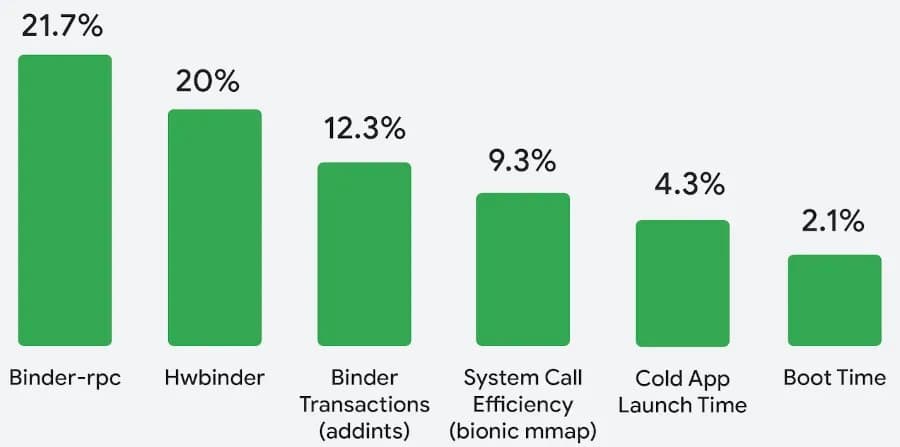
Google has demonstrated significant performance improvements using AutoFDO in Android and other projects. Typical improvements range from 5-15% in real-world applications, with some workloads showing even greater gains:
| Workload Type | Performance Improvement | Optimization Focus |
|---|---|---|
| Mobile Applications | 8-12% | CPU-intensive operations |
| Server Workloads | 5-10% | Hot path optimization |
| Scientific Computing | 10-15% | Loop and vectorization |
For NVIDIA, this tool development represents both a technical contribution to the open-source community and a strategic move to improve performance for their GPU-accelerated workloads when compiled with GCC.
Implementation Challenges and Considerations
Developing an effective AutoFDO profile generator for GCC presents several technical challenges:
- Profile Granularity: Determining the appropriate level of detail in profile data collection
- Memory Overhead: Minimizing the runtime performance impact during profile collection
- Multi-threading Support: Ensuring accurate profile collection in multi-threaded applications
- Architecture Compatibility: Supporting various CPU architectures and instruction sets
The NVIDIA team has indicated that they plan to address these challenges through careful design and iterative development, with the goal of creating a tool that is both effective and unobtrusive.
Impact on the GCC Ecosystem
The development of this AutoFDO profile generator could have several positive impacts on the GCC ecosystem:
- Performance Parity: Bring GCC closer to LLVM/Clang in terms of optimization capabilities
- Broader Adoption: Enable more projects to leverage FDO techniques without switching compilers
- Research Opportunities: Facilitate further research into compiler optimization techniques
- Community Collaboration: Foster collaboration between hardware vendors, compiler developers, and application maintainers
Looking Ahead
The proposal is currently in the discussion phase on the GCC mailing list, with NVIDIA seeking feedback from the GCC development community. If the proposal gains traction, we can expect to see the tool development progress, with potential integration into GCC in future releases.
For developers interested in following this development, the GCC mailing list thread contains the initial proposal and ongoing discussion. Additionally, Google's existing AutoFDO documentation and tools provide valuable context for understanding the underlying technology.
This initiative represents an important step forward in compiler optimization technology and demonstrates NVIDIA's commitment to improving the performance of open-source software across different toolchains. As compiler optimization techniques continue to evolve, tools like this will play an increasingly crucial role in maximizing the performance of both CPU and GPU-accelerated applications.
Comments
Please log in or register to join the discussion