
The Pebble smartwatch returns with touchscreen app capabilities after a decade of button-only interaction, while Google may reduce RAM in entry-level Pixel 11 phones due to ongoing supply constraints.
The smartwatch landscape has seen significant evolution since Pebble first entered the market over a decade ago. While Apple and Samsung now dominate the space, the original Pebble watches earned a loyal following for their battery life and simplicity. After being acquired by Fitbit and subsequently Google, the Pebble brand seemed to fade into history. However, last year, Pebble founder Eric Migicovsky returned with Core Devices, bringing back the Pebble name with mostly familiar hardware.
The most significant exception is the Pebble Time 2, which recently gained a crucial feature that distinguishes it from its predecessors: a touchscreen display. For years, this capability existed in hardware but remained unusable due to PebbleOS lacking touch support. This changed when Core Devices released a new version of PebbleOS featuring a touchscreen API, opening the door to a new class of applications.
Touchscreen Revolution for Pebble Developers
The introduction of touchscreen support represents a fundamental shift in the Pebble development ecosystem. Previously, developers were limited to creating apps that could be navigated using physical buttons—a constraint that limited the complexity and user-friendliness of applications. With the new API, developers can now create intuitive touch-based interfaces that rival those found on more established smartwatch platforms.
Among the first wave of touch-enabled applications are several practical tools and games that demonstrate the new platform's capabilities:
- A touch-enabled timer application with intuitive swipe controls
- A calculator app that leverages touch for precise input
- A Breakout clone that showcases the touchscreen's gaming potential
- A mini golf game demonstrating the precision touch input enables
- A castle defense game highlighting more complex touch interactions
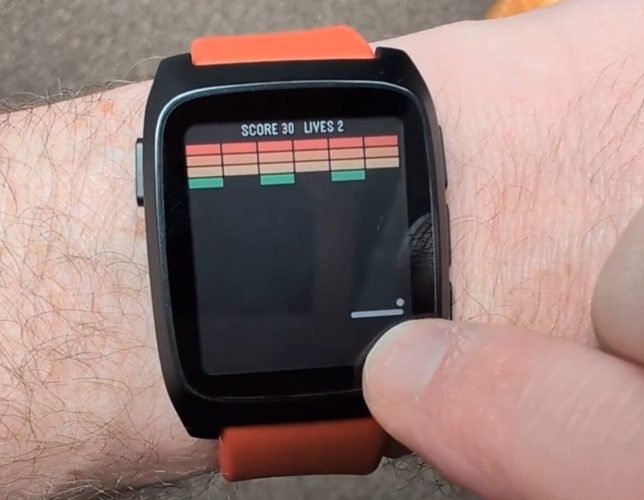
These applications, developed by Pebble enthusiasts and Core Devices itself, represent just the beginning of what's possible with touchscreen support. The API provides developers with tools to create custom gestures, multi-touch interfaces, and responsive touch controls that were previously impossible on the Pebble platform.
For developers interested in creating Pebble touch applications, Core Devices has provided documentation and examples through their developer portal. The company has expressed commitment to supporting both button-based and touch-based applications, ensuring backward compatibility while encouraging innovation.
Pebble's Position in Today's Smartwatch Market
Despite the touchscreen addition, the Pebble Time 2 remains distinct from contemporary smartwatches in several key ways:
Battery Life: Pebble watches have always emphasized battery longevity, often lasting multiple weeks on a single charge compared to the day-or-two typical of most modern smartwatches.
Display Technology: The Pebble Time 2 uses an e-ink display rather than an OLED or LCD screen, contributing to its power efficiency but limiting refresh rates and color capabilities.
Ecosystem: While expanding, the Pebble app store remains significantly smaller than those for Apple Watch, Wear OS, or watchOS.
Price Point: Pebble watches typically occupy the lower end of the smartwatch price spectrum, making them accessible alternatives to premium devices.
This positioning suggests that Pebble is not attempting to compete directly with established players but instead targeting users who prioritize battery life and simplicity over advanced features and constant connectivity.
Google Pixel 11: Potential RAM Reduction Amid Supply Constraints
Shifting focus to the smartphone market, recent reports suggest that Google may be adjusting its strategy for the upcoming Pixel 11 lineup due to ongoing RAM supply constraints. According to industry sources, entry-level Pixel 11 models might ship with less RAM than their Pixel 10 counterparts, potentially reversing the trend of increasing specifications with each generation.
This potential reduction comes amid global semiconductor shortages that have affected various industries, including mobile device manufacturing. The reports indicate that Google may be forced to make compromises on specifications to ensure adequate supply of its flagship devices.
Potential Specifications Impact
If the rumors hold true, we might see:
- Entry-level models: Potentially starting with 6GB RAM instead of the 8GB found in base Pixel 10 models
- Standard models: Maintaining current RAM levels at 8GB
- Pro models: Possibly offering 12GB as before
Additionally, the reports suggest that cost-cutting measures might extend beyond RAM specifications:
- Removal of the temperature sensor found in Pixel 10 models
- Omission of the IR camera used for face recognition
- Introduction of an RGB LED light bar in the camera bump of Pro models (possibly for enhanced low-light photography or notification alerts)
Developer Implications
For Android developers, these potential changes could impact app development and optimization strategies:
Memory Management: With potentially less RAM available on entry-level devices, developers will need to be even more diligent about memory usage and background processes.
Feature Availability: The removal of hardware components like temperature sensors means developers will need to adapt applications that relied on these features.
Performance Testing: Developers will need to ensure their apps perform adequately across a wider range of memory configurations.
API Adjustments: Google may need to adjust its developer documentation and APIs to reflect these hardware changes.
Historical Context for Google's Hardware Strategy
This potential shift in Google's hardware strategy isn't without precedent. The company has previously adjusted specifications between Pixel generations based on component availability and cost considerations. However, reducing RAM in newer models would represent a more significant departure from the industry's typical trajectory of increasing specifications with each generation.
If implemented, this approach could help Google maintain its release schedule while dealing with supply constraints, though it might require additional communication to manage consumer expectations regarding performance and features.
Cross-Platform Development Considerations
For developers working across both mobile and wearable platforms, these developments highlight several important considerations:
Adapting to New Input Methods: The Pebble touchscreen expansion demonstrates the importance of supporting multiple input modalities as hardware capabilities evolve.
Resource Optimization: The potential Pixel 11 RAM reduction emphasizes the need for efficient code and thoughtful resource management across all device tiers.
Feature Degradation Strategies: When hardware features are removed in newer generations, developers need graceful degradation strategies to maintain functionality.
Platform-Specific Design Patterns: Each platform (PebbleOS, Android, iOS) has its own design conventions and limitations that developers must respect while creating intuitive user experiences.
Conclusion
The Pebble Time 2's addition of touchscreen support represents a significant evolution for a platform that has maintained a consistent design philosophy for nearly a decade. Meanwhile, the potential adjustments to the Pixel 11 lineup highlight how hardware constraints can influence even major tech companies' product strategies.
For developers, these changes underscore the importance of adaptability and platform-specific optimization. As the mobile and wearable landscapes continue to evolve, the ability to create compelling experiences across diverse hardware and software configurations will remain a critical skill.
For consumers, these developments offer both expanded choice (through Pebble's unique touchscreen implementation) and potential compromises (through possible specification reductions in the Pixel lineup). The coming months will reveal how these changes play out in the market and what further innovations they might inspire.
Developers interested in Pebble touch app development can explore the official Pebble developer resources. For the latest information on Pixel specifications and developer requirements, Google's Android Developers documentation remains the most authoritative source.
Comments
Please log in or register to join the discussion