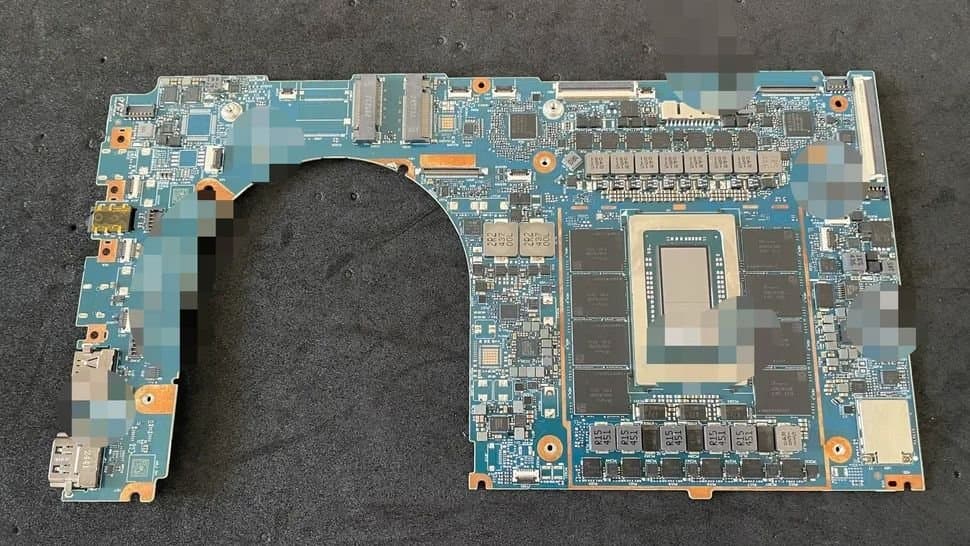
Alleged images of Nvidia's long-awaited N1 SoC have surfaced on a Chinese reselling platform, revealing a high-end laptop motherboard with 128GB of LPDDR5X memory, RTX 5070-level graphics, and a robust 8+6+2 phase VRM setup.
Alleged images of Nvidia's long-awaited N1/N1X SoC have surfaced on a Chinese reselling platform, revealing a high-end laptop motherboard with 128GB of LPDDR5X memory, RTX 5070-level graphics, and a robust 8+6+2 phase VRM setup.
First Concrete Evidence of Nvidia's Arm-Based SoC
(Image credit: Goofish)
The leak comes from Goofish, a reselling platform in China, where someone has listed a laptop motherboard allegedly featuring the N1 SoC. Priced at approximately $1,400 (9999 RMB), the listing has since closed to new offers, suggesting significant interest in this engineering sample.
Technical Specifications Revealed
The motherboard appears to be from either a 13-inch tablet or more likely a 14-inch laptop, given the large cutout for a fan. The N1 SoC dominates the right side of the board, surrounded by eight memory chips and what appears to be a substantial 8+6+2 phase VRM setup. This robust power delivery system suggests the N1 will have a significant power appetite, potentially indicating high performance capabilities.
Upon closer inspection, the eight memory ICs are identified as SK hynix H58G78CK8B modules, totaling 128 GB of LPDDR5X RAM running at 8,533 MT/s. For context, this exceeds Strix Halo's maximum of 8,000 MT/s while falling slightly short of Panther Lake's 9,600 MT/s in flagship configurations. Apple's M5 series also supports 9,600 MT/s across the board, and reports indicate the N1 is designed to directly compete with Apple Silicon.
Comprehensive I/O and Connectivity
The motherboard features an impressive array of ports including HDMI, USB Type-A, USB-C, and a 3.5mm headphone jack on one side, with no ports on the opposite side. The board includes 2x M.2 slots for 2240-sized SSDs and a shielded communication antenna in the bottom-right corner for Bluetooth and Wi-Fi connectivity.
N1 SoC Architecture and Performance
(Image credit: Goofish)
Based on information from the GB10 Superchip inside DGX Spark (confirmed by CEO Jensen Huang), the N1 reportedly features a 20-core Arm-based CPU with 10 cores per cluster and an RTX 5070-level GPU with 6,144 CUDA cores. The chip is being developed in conjunction with MediaTek, which handles the CPU side, while Nvidia manages the graphics and software components.
This architecture represents Nvidia's most ambitious entry into the consumer CPU market since the Tegra X1 in the Shield TV back in 2015. The company has the opportunity to reinvigorate Microsoft's Windows-on-Arm initiative with silicon that can actually rival legacy x86 options.
Market Implications and Timeline
(Image credit: Goofish)
The leak suggests a Computex 2026 reveal for the N1/N1X lineup, following its absence at GTC last month. A DigiTimes report from earlier this year claimed Nvidia is targeting Q1 2026 for launch, with additional variants planned for the second quarter.
In January, a leaked shipping manifest for a Dell XPS laptop featuring an N1 engineering sample suggested that Dell is at least testing the waters with this new architecture. The Goofish listing claims the device this motherboard is from is coming in the second half of the year, bringing "consumer-grade AI PCs" to the public.
The board is described as an "N1 AI book engineering sample" intended for both conventional laptops and hybrid 2-in-1 devices, indicating Nvidia's strategy to target multiple form factors with this new SoC.
Competitive Landscape
The N1's emergence is particularly significant given Qualcomm's challenges with GPU drivers for the Snapdragon X Elite family. Nvidia has the perfect gap to fill in the Windows-on-Arm ecosystem, potentially offering the performance and software optimization that has been lacking in previous Arm-based Windows laptops.
With its RTX-level graphics capabilities, substantial memory bandwidth, and Arm-based efficiency, the N1 could represent a genuine alternative to both Apple Silicon and traditional x86 processors in the premium laptop segment. The 128GB memory configuration also suggests Nvidia is targeting high-end creative and AI workloads, positioning the N1 as a workstation-class solution in a laptop form factor.
The leak provides the most concrete evidence yet that Nvidia's years-long effort to enter the Arm-based laptop market is nearing fruition, with the company poised to challenge established players across multiple dimensions of performance and capability.
Comments
Please log in or register to join the discussion