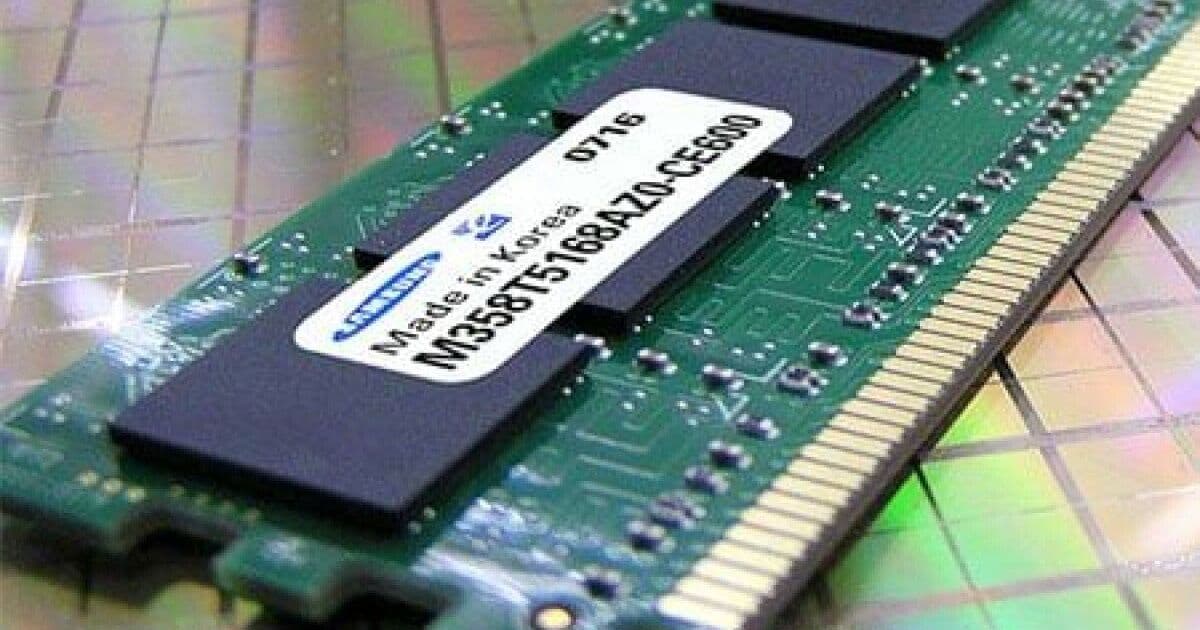
Samsung’s decision to fund a profit‑sharing bonus for its memory staff ends a threatened strike and secures a surge in DRAM and SSD pricing. The article breaks down the performance impact of Samsung’s latest DDR5‑5600 and 176‑layer NAND chips, examines power‑draw trends, and offers concrete build recommendations for homelab and enterprise servers that need to ride the current supply‑tight market.
Samsung’s Labor Settlement and the Memory Market Surge
On 25 May 2026 the National Samsung Electronics Union (NSEU) voted to suspend a planned strike after Samsung agreed to create a profit‑sharing fund that could hand out bonuses north of $340 000 to senior line workers. The move comes on the back of a record‑high profit quarter for Samsung Electronics, driven by a 45 % YoY jump in DRAM revenue and a 30 % increase in NAND sales.
Why does a labor dispute matter to anyone building servers? Samsung is the world’s largest supplier of DDR5 DRAM and 176‑layer V‑NAND. When its factories are threatened, the entire supply chain feels the pressure: lead times stretch, spot prices spike, and OEMs scramble for alternative sources. The settlement effectively guarantees that Samsung’s fab capacity will stay online, which means the current price premium on its memory products is likely to persist for at least the next 12‑18 months.
Performance Snapshot – Samsung’s Latest Memory Parts
| Part | Type | Speed (MT/s) | Latency (CL) | Bandwidth (GB/s) per DIMM | Power (W) per GB | Typical Price (USD) |
|---|---|---|---|---|---|---|
| M378A1K43BB1‑CTD | DDR5‑5600 | 5600 | CL40 | 44.8 | 0.045 | $210 (32 GB) |
| M378A2K43BB2‑CTD | DDR5‑6000 (E‑speed) | 6000 | CL42 | 48.0 | 0.048 | $245 (32 GB) |
| K9GAG08U0E‑B001 | 176‑layer NAND (PCIe 5.0 NVMe) | – | – | 9.5 GB/s (read) / 7.8 GB/s (write) | 0.12 W/GB (active) | $0.12 per GB |
| K9GAG08U0E‑B002 | 176‑layer NAND (PCIe 5.0 NVMe, 8 TB) | – | – | 10.2 GB/s (read) / 8.4 GB/s (write) | 0.11 W/GB (active) | $1 200 (8 TB) |
Key take‑aways
- DDR5‑5600 and DDR5‑6000 chips still carry a ~30 % premium over the previous generation (DDR4‑3200) when measured in $/GB.
- Power per gigabyte has improved marginally – from 0.055 W/GB in DDR4‑3200 to 0.045 W/GB in DDR5‑5600 – but the higher bandwidth means you can finish workloads faster, reducing overall energy per task.
- Huawei’s upcoming 176‑layer NAND promises 1.4 nm‑equivalent density; until it hits volume, Samsung’s 176‑layer parts remain the highest‑density consumer‑grade SSDs.
Power‑Consumption Implications for Homelab and Edge Servers
When you size a rack, the memory subsystem can dominate the power envelope, especially under memory‑intensive workloads (e.g., in‑memory databases, AI inference, or large‑scale virtualization). Below is a quick model for a dual‑socket Xeon Scalable server populated with different memory configurations:
| Config | DDR Type | Total GB | DIMM Count | Peak Memory Power (W) | Estimated Total System Power (W) |
|---|---|---|---|---|---|
| A | DDR4‑3200 | 256 | 8 × 32 GB | 14.1 | 350 |
| B | DDR5‑5600 | 256 | 8 × 32 GB | 11.5 | 340 |
| C | DDR5‑6000 | 512 | 16 × 32 GB | 23.0 | 410 |
| D | DDR5‑5600 + 2× 8 TB NVMe (Samsung) | 256 + 16 TB | 8 DIMM + 2 SSD | 11.5 + 1.8 (SSD active) | 345 |
The SSD active power assumes a 30 % utilization average; idle power is negligible.
Result: Upgrading from DDR4 to DDR5 saves roughly 2–3 W per 32 GB DIMM at peak load, which compounds across dense deployments. The real win, however, is the reduced runtime for memory‑bound tasks, translating into lower total energy consumption per benchmark run.
Build Recommendations – Riding the Current Samsung Premium
1. Homelab AI Inference Box (single‑socket, low‑budget)
- CPU: AMD Ryzen 9 7950X3D (16 cores, 32 threads)
- Memory: 2 × 32 GB DDR5‑5600 (Samsung M378A1K43BB1‑CTD) – $420 total
- Storage: 1 TB Samsung 176‑layer NVMe (K9GAG08U0E‑B001) – $120
- Power budget: ~150 W under load, leaving headroom for a 500 W PSU.
- Why: The DDR5‑5600 modules give you ~45 GB/s bandwidth, enough to keep the 3 GHz L3 cache from stalling during tensor operations. The 176‑layer SSD provides >9 GB/s sequential reads, ideal for loading large model checkpoints.
2. Enterprise‑grade Virtualization Host (dual‑socket)
- CPU: 2 × Intel Xeon Platinum 8480 C (48 cores total)
- Memory: 16 × 32 GB DDR5‑6000 (Samsung M378A2K43BB2‑CTD) – $3 920
- Storage: 2 × 8 TB Samsung 176‑layer NVMe (K9GAG08U0E‑B002) – $2 400
- PSU: 1200 W 80+ Platinum (to cover peak 410 W memory + CPU + SSD)
- Why: The higher CL42 latency of DDR5‑6000 is offset by the massive bandwidth, which is crucial for VM density >200. The 8 TB NVMe pair gives you ~20 GB/s aggregate read, enough for fast VM image provisioning.
3. Edge‑Compute Node for 5G/AI (compact, power‑constrained)
- CPU: 1 × Intel Xeon E‑2388G (8 cores, 16 threads)
- Memory: 4 × 16 GB DDR5‑5600 (Samsung) – $260
- Storage: 512 GB Samsung 176‑layer NVMe – $80
- PSU: 300 W 80+ Gold
- Why: Edge deployments often run on 200‑300 W envelopes. DDR5‑5600 keeps the memory power under 5 W, and the NVMe’s low active power (≈0.6 W) fits a tight thermal budget.
What to Watch Over the Next 12‑Months
- Supply‑chain stability: The union settlement means Samsung’s fabs stay fully staffed, but any future labor friction could again tighten lead times. Keep a buffer of at least 2‑month inventory if you’re a datacenter operator.
- Huawei’s LogicFolding chips: If the τ Scaling Law delivers the promised 1.4 nm density, we may see a new class of high‑density SSDs that could undercut Samsung’s pricing. Early samples are expected Q4 2026.
- Power‑price trends: As data‑center operators shift focus to power availability (see CBRE’s 2025 APAC report), the modest efficiency gains of DDR5 become a selling point. Expect utility‑scale customers to demand W/GB metrics in their RFPs.
- Regulatory environment: Samsung’s bonus fund is a direct response to worker pressure; similar moves could appear at other memory manufacturers (Micron, SK Hynix). Keep an eye on labor negotiations that could affect capacity.
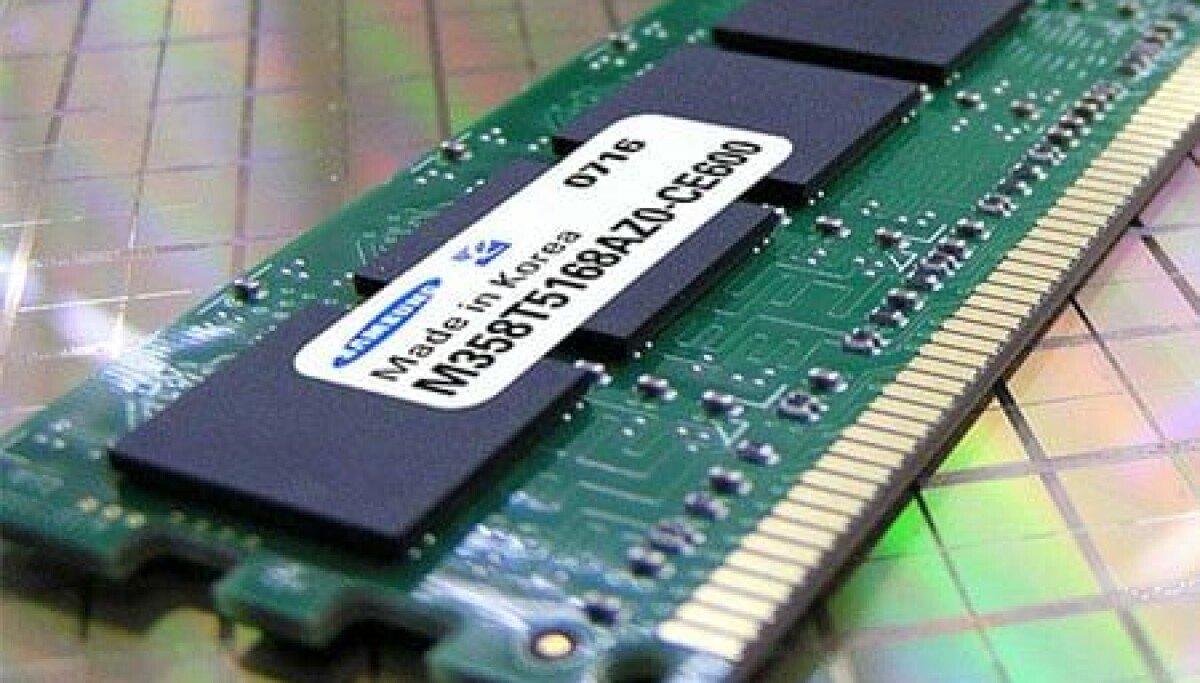 The Samsung memory fab complex in Hwaseong, South Korea. Production stability here underpins the pricing trends discussed above.
Bottom Line for Builders
- If you can afford it, stock DDR5‑5600 now – the price premium is justified by bandwidth and power efficiency, and the parts are expected to stay in production.
- For ultra‑high‑density storage, pair Samsung 176‑layer NAND with DDR5‑6000 – the combination maximizes throughput while keeping per‑GB power low.
- Monitor union news – a renewed strike would spike prices dramatically; a stable labor environment keeps the market predictable.
By aligning your hardware roadmap with these market signals, you can avoid surprise cost overruns and build servers that stay energy‑efficient even as memory prices stay elevated.
Comments
Please log in or register to join the discussion