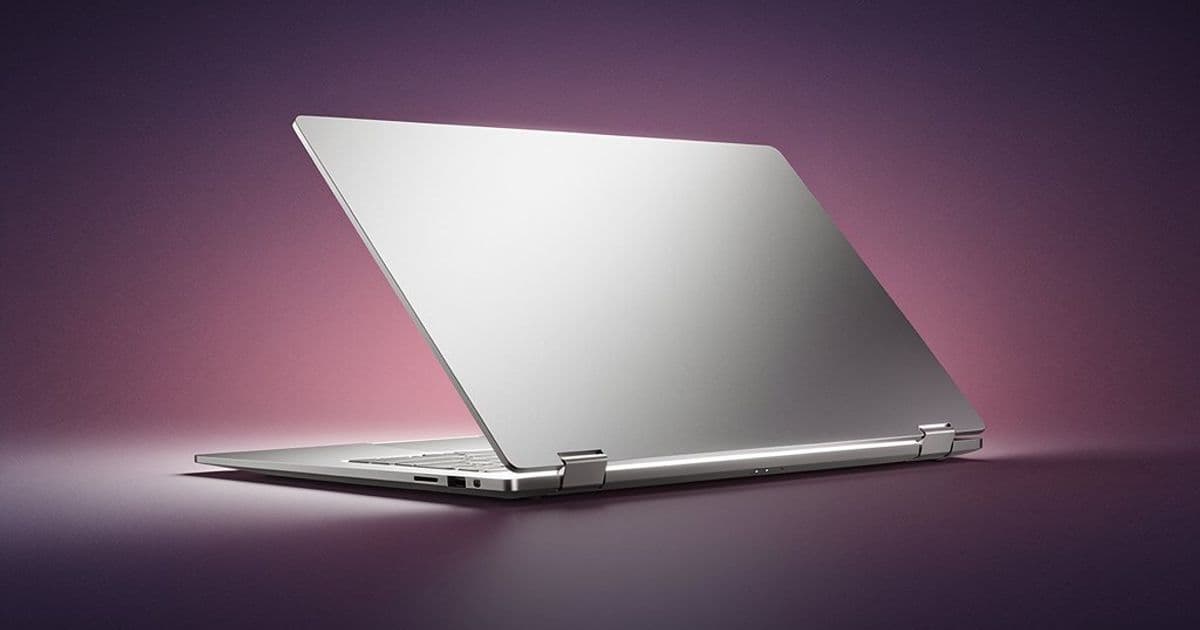
Multiple manufacturers are preparing to launch laptops powered by Nvidia's new Arm-based N1 series CPUs, according to reports. This move represents Nvidia's most significant push into the Windows-on-Arm ecosystem yet, potentially challenging Apple's M-series dominance while introducing new performance and efficiency dynamics for mobile computing.
The long-rumored Nvidia Arm-based laptop processors are finally materializing as real products. According to reports from multiple industry sources, several major laptop manufacturers are preparing to launch devices powered by Nvidia's new N1 series CPUs, with announcements expected in the coming weeks and retail availability likely following in the first half of 2026.
This development marks a pivotal moment for Windows-on-Arm computing, which has struggled for years to gain meaningful traction against Intel and AMD's x86 dominance. While Microsoft has supported Arm processors since Windows RT in 2012, the performance gap with traditional x86 chips has limited adoption. Nvidia's entry into this space could change that calculus dramatically.
What We Know About the N1 Series
The N1 series represents Nvidia's first true consumer Arm processors designed specifically for laptops and desktops. While the company has extensive experience with Arm through its Tegra processors for mobile devices and its Jetson platform for embedded systems, the N1 series is a different proposition entirely. These are high-performance chips designed to compete directly with Apple's M-series, Intel's Core Ultra processors, and AMD's Ryzen Mobile chips.
Early specifications suggest the N1 series will feature configurations with up to 12 CPU cores, integrated Nvidia RTX graphics, and dedicated AI acceleration hardware. The chips will be built on a 3nm process node, likely through TSMC, and will support LPDDR5X memory. The integrated GPU is expected to be based on Nvidia's Blackwell architecture, bringing ray tracing and DLSS 3.5 support to Windows-on-Arm devices for the first time.
The most significant aspect of these chips is their Arm architecture. Unlike traditional x86 processors, Arm chips use a reduced instruction set that can be more power-efficient. This efficiency advantage is what allowed Apple to achieve remarkable battery life and performance with its M-series chips. Nvidia appears to be aiming for similar results, though with a different approach to software compatibility.
The Software Challenge
Windows-on-Arm has historically faced two major hurdles: performance and application compatibility. The performance issue is largely being addressed by more powerful hardware like the N1 series. The compatibility issue is more complex.
Windows 11 on Arm uses an emulation layer called x64 emulation to run traditional x86 applications. While this has improved significantly since Windows RT, it still carries a performance penalty. Native Arm applications run much more efficiently, but most Windows software is still compiled for x86.
Nvidia is reportedly working closely with Microsoft to improve this situation. The company is said to be investing heavily in developer tools and incentives to encourage native Arm development. Additionally, Nvidia's own software stack, including CUDA, will be available on these chips, which could attract developers working in AI, machine learning, and content creation.
For consumers, this means that while most existing Windows applications will run, they may not perform as well as on native x86 hardware. The experience will depend heavily on how well the emulation layer works and how much software developers invest in native Arm versions.
The Ecosystem Lock-in Considerations
This launch introduces new ecosystem dynamics for consumers. Unlike Apple's vertically integrated approach, where hardware and software are developed in-house, Nvidia's approach is more similar to traditional PC manufacturing. The company provides the processor, but manufacturers like Dell, HP, Lenovo, and others will design the complete laptops.
This creates an interesting competitive dynamic. On one hand, it means consumers will have more choice in terms of form factors, screen sizes, and price points. On the other hand, it means the user experience will vary significantly between manufacturers. Some may prioritize battery life, others may focus on performance, and some might emphasize specific features like gaming capabilities.
The software ecosystem also presents considerations. Windows-on-Arm devices can run Android applications through the Windows Subsystem for Android, which could be a unique advantage. However, the lack of native Arm versions of popular professional software like Adobe Creative Suite, AutoCAD, and certain development tools could limit adoption in professional environments.
Potential Market Impact
If successful, these laptops could disrupt several segments of the market:
Consumer Laptops: The efficiency advantages of Arm could mean all-day battery life for typical use cases, even with powerful hardware. This would be particularly appealing to students and mobile professionals.
Gaming Laptops: With integrated RTX graphics, these chips could enable thin-and-light gaming laptops that don't require discrete GPUs. This would be a significant shift from current gaming laptop designs, which typically require bulky cooling systems and separate graphics cards.
Enterprise: The security features built into Arm processors, combined with Windows' enterprise management tools, could make these devices attractive to businesses looking for secure, efficient laptops.
AI Development: With dedicated AI acceleration and CUDA support, these laptops could become popular for developers working on machine learning projects, especially those who need portable development environments.
The Competitive Landscape
Nvidia's entry into this space directly challenges Apple's dominance in Arm-based computing. Apple's M-series chips have set a high bar for performance-per-watt, and the company has benefited from its control over both hardware and software. Nvidia, however, brings decades of GPU expertise and a massive developer ecosystem to the table.
The timing is also significant. Intel and AMD are both investing heavily in their own AI-focused processors, and Qualcomm has been pushing its Snapdragon X Elite chips for Windows-on-Arm. Nvidia's entry intensifies this competition, which should ultimately benefit consumers through better performance, lower prices, and more innovation.
What to Expect
Based on industry patterns, we can expect the following timeline:
Announcement Phase: Nvidia will likely announce the N1 series officially, possibly at a major tech event or through a dedicated keynote. This will include detailed specifications, partner announcements, and software roadmaps.
Manufacturer Reveals: Laptop manufacturers will announce their specific models featuring N1 processors. These will likely include a range of devices from different price points and form factors.
Review Embargo Lift: Tech reviewers will receive test units and publish detailed reviews, covering performance, battery life, software compatibility, and real-world usage scenarios.
Retail Availability: Laptops will begin shipping to consumers, with initial availability likely limited to certain regions and retailers.
Software Updates: Microsoft and Nvidia will continue to release updates to improve emulation performance, add native application support, and enhance the overall user experience.
The Bottom Line
Nvidia's N1 series represents the most credible challenge yet to the x86 monopoly in Windows computing. While previous Arm attempts have faltered due to performance and compatibility issues, Nvidia brings GPU expertise, developer relationships, and financial resources that previous attempts lacked.
For consumers, this means more choice and potentially better battery life. For the industry, it represents a potential shift toward a more diverse processor ecosystem. For Microsoft, it's an opportunity to finally make Windows-on-Arm a mainstream reality.
The success of these laptops will depend on several factors: actual performance versus x86 competitors, software compatibility, pricing, and the quality of the devices manufacturers produce. If Nvidia and its partners can deliver on all fronts, we might be witnessing the beginning of a significant shift in how we think about Windows laptops.
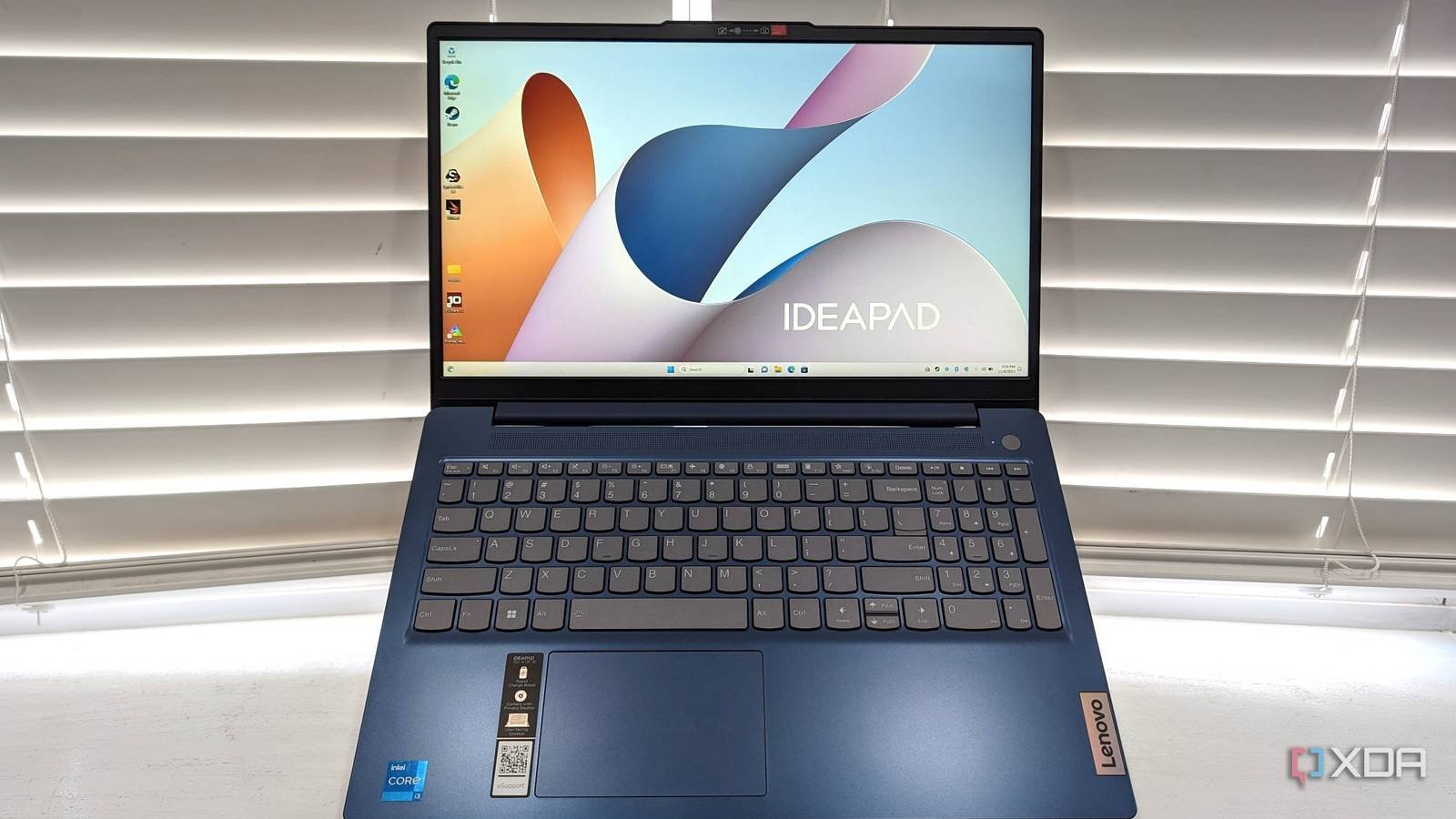
The reports suggest we won't have to wait long to see these devices in action. With multiple manufacturers involved and a growing market for efficient, powerful laptops, the stage is set for what could be one of the most interesting developments in Windows computing in years.
For more information on Nvidia's processor initiatives, visit their official website. Microsoft's documentation on Windows-on-Arm can be found at Microsoft's Windows on Arm page. Developers interested in Arm development should check out the Windows App SDK documentation.
Comments
Please log in or register to join the discussion