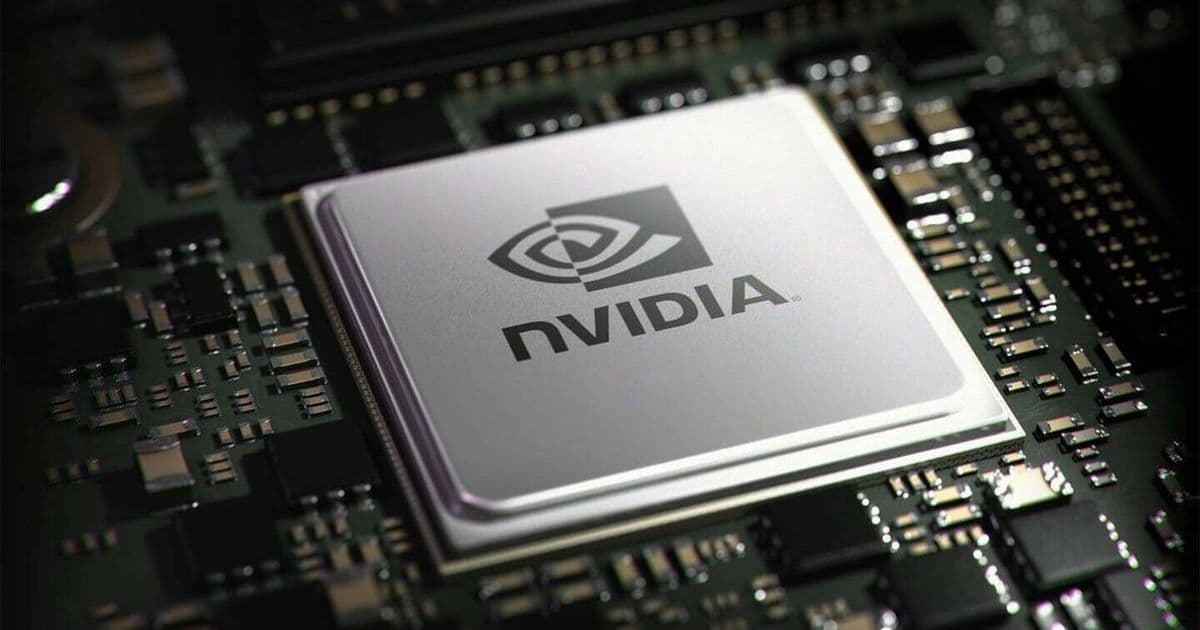
After years of development and setbacks, Nvidia's custom Arm-based N1X processor appears to be nearing laptop deployment, promising a new era of Windows-on-Arm performance but raising critical questions about developer support and ecosystem maturity.
The Long Road to Laptop Reality
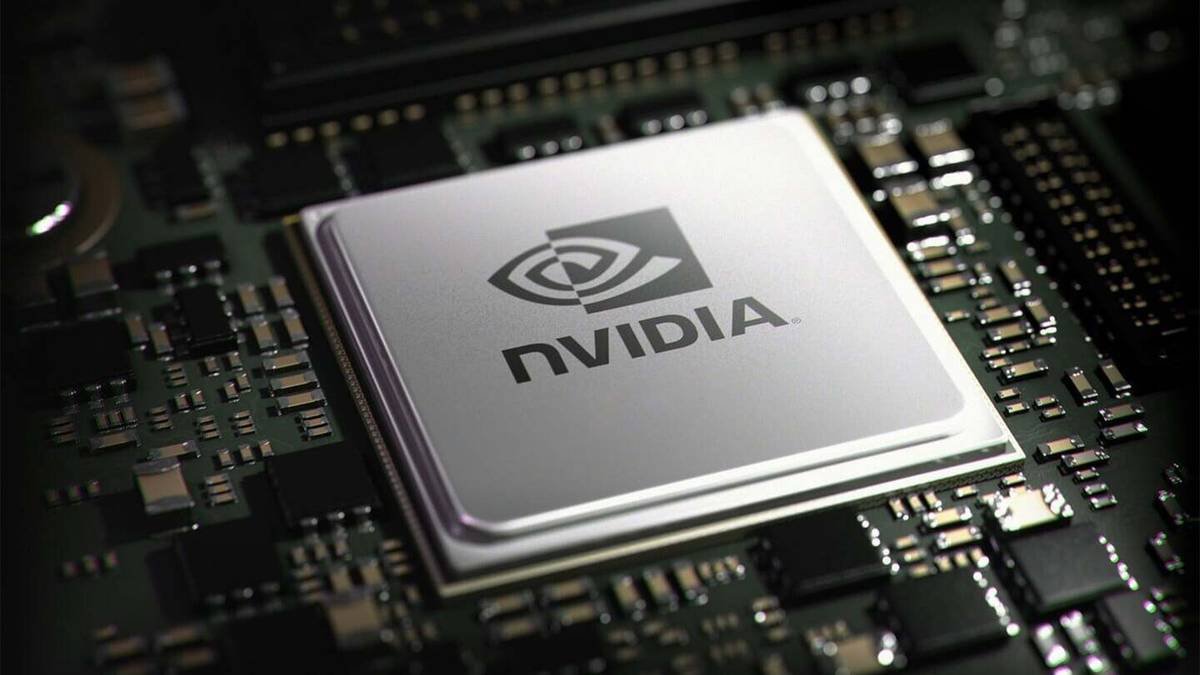
Nvidia's custom Arm-based N1X processor, first announced in 2021 as part of a partnership with ARM, has been one of the most anticipated yet elusive pieces of silicon in the mobile computing space. After multiple delays and strategic shifts, new reports suggest the chip is finally nearing deployment in laptops, potentially as early as late 2026 or early 2027. This isn't just another processor launch—it represents Nvidia's most serious attempt to break into the mainstream laptop CPU market dominated by Intel, AMD, and increasingly, Apple's M-series chips.
The N1X represents a fundamental shift in Nvidia's strategy. While the company has dominated discrete GPUs for years and made inroads with its Jetson platform for embedded systems, a custom CPU for laptops would mark its first direct competition with established x86 players in the consumer laptop space. The processor is being developed by Nvidia's CPU design team, which has been building expertise since the company's acquisition of ARM was blocked by regulators. Instead, Nvidia has pursued a custom design using ARM's instruction set architecture, similar to Apple's approach with its M-series chips.
Technical Architecture and Expected Performance
Based on leaked specifications and industry sources, the N1X is expected to feature:
- ARMv9 architecture with custom cores designed by Nvidia's engineering team
- Integrated GPU based on Nvidia's RTX architecture, potentially with ray tracing and AI acceleration
- Memory architecture optimized for unified memory, similar to Apple's approach
- AI acceleration with dedicated tensor cores for machine learning workloads
- Power efficiency targeting the 15-45W TDP range for laptop form factors
The chip is rumored to be manufactured on TSMC's 3nm process, which would give it a significant process advantage over current Intel and AMD laptop CPUs. This could translate to better performance-per-watt, a critical metric for laptops where battery life is paramount.
However, the real question is how it will perform against established competitors. Apple's M3 Max already delivers exceptional performance in creative workloads, while Intel's Lunar Lake and AMD's Strix Point chips are pushing the boundaries of x86 efficiency. The N1X will need to demonstrate not just competitive raw performance, but also superior performance in Nvidia's traditional strongholds: AI workloads, content creation, and gaming.
The Windows-on-Arm Challenge
The N1X's success hinges on more than just hardware. Windows on Arm has been a perennial challenge for Microsoft and its partners. While Apple's transition to Arm-based processors was relatively smooth due to tight hardware-software integration and Rosetta 2 translation, Windows on Arm has struggled with application compatibility and performance.
Microsoft has made significant strides with Windows 11 on Arm, including x64 emulation and improved developer tools. However, native Arm application support remains limited outside of Microsoft's own apps and some third-party developers. The N1X will launch into this ecosystem, meaning its success will depend on:
- Native application support: Developers need to recompile their software for Arm architecture
- Emulation performance: x64 emulation must be fast enough for legacy applications
- Driver support: Critical for gaming, creative applications, and specialized hardware
- Developer tools: Compilers, debuggers, and profiling tools optimized for the architecture
Nvidia is reportedly working closely with Microsoft and major software vendors to ensure day-one support for key applications. The company's existing relationships with game developers and creative software companies could help accelerate adoption, but the challenge remains significant.
Developer Impact and Migration Considerations
For mobile developers currently maintaining apps for iOS and Android, the N1X's arrival could create new opportunities and challenges:
Cross-Platform Development Implications
If the N1X gains traction in laptops, developers may need to consider Arm-based Windows devices as a new target platform. This could be particularly relevant for:
- Game developers using Unity or Unreal Engine, which already support Arm compilation
- Enterprise applications that need to run on both mobile and desktop platforms
- Creative software where performance and battery life are critical
Technical Migration Path
Developers with existing Arm codebases (particularly from iOS development) will have an advantage. The toolchain is largely compatible:
- Compilers: Clang/LLVM supports Arm targets across platforms
- Libraries: Many cross-platform libraries already support Arm
- Frameworks: Unity, Unreal, and other game engines have Arm support
However, Windows-specific APIs and system integration will require additional work. Developers will need to:
- Test on actual hardware (when available) rather than just emulation
- Optimize for Windows-specific power management and system integration
- Consider x86 compatibility for legacy components
- Evaluate performance trade-offs between native Arm and emulated x64 code
Business Considerations
The business case for supporting Windows on Arm depends on market adoption:
- Enterprise adoption: If major corporations adopt N1X laptops for employees, business applications will need support
- Gaming market: Gaming laptops are a significant segment; if N1X can compete here, game developers will follow
- Creative professionals: Adobe, Blackmagic, and other creative software vendors' support will be critical
Competitive Landscape and Market Positioning
The N1X enters a crowded market:
Apple M-series: Already established with excellent performance and battery life, but limited to macOS Intel Lunar Lake: Expected to launch in late 2024 with improved efficiency and AI capabilities AMD Strix Point: Combines Zen 5 CPU cores with RDNA 3.5 GPU, targeting the same laptop segment Qualcomm Snapdragon X Elite: Already shipping in Windows laptops, providing a baseline for Arm performance
Nvidia's differentiation strategy appears to focus on:
- AI acceleration: Leveraging its expertise in AI hardware
- Gaming performance: Using its GPU architecture for superior graphics
- Ecosystem integration: Potential bundling with Nvidia software and services
Timeline and Market Expectations
Industry sources suggest Nvidia is targeting a 2026-2027 launch window. This timeline aligns with:
- TSMC 3nm capacity: Which should be more readily available by then
- Windows 12: Expected release around 2024-2025, potentially with improved Arm support
- Developer tooling: More mature Arm development ecosystem
The first devices are likely to be premium laptops targeting creative professionals and gamers, similar to how Apple launched the M1 Pro and Max chips. Pricing will be critical—if Nvidia can offer competitive performance at a reasonable price point, adoption could accelerate.
Challenges and Uncertainties
Several factors could impact the N1X's success:
Software ecosystem: The chicken-and-egg problem of needing users to attract developers, and developers to attract users Performance claims: Actual real-world performance will need to match or exceed expectations Battery life: Arm's efficiency advantage must translate to meaningful battery life improvements Gaming compatibility: DirectX and game engine support will be crucial for the laptop gaming market Enterprise adoption: Corporate IT departments are conservative about new architectures
The Bigger Picture
The N1X represents more than just another processor. It's a test of whether the Arm architecture can truly compete with x86 in the mainstream laptop market beyond Apple's walled garden. For mobile developers, it could signal a shift toward a more unified architecture across mobile and desktop platforms.
If successful, the N1X could accelerate the broader industry transition to Arm, potentially influencing future development tools, frameworks, and best practices. For developers currently maintaining separate codebases for iOS, Android, and Windows, a future where all three platforms share the same architecture could simplify development significantly.
However, this transition won't happen overnight. Even if the N1X launches successfully, it will take years for the ecosystem to mature. Developers should monitor the situation but likely don't need to make immediate changes to their current workflows.
What to Watch For
As the N1X approaches launch, developers should pay attention to:
- Official announcements from Nvidia and Microsoft
- Developer preview programs and early hardware access
- Performance benchmarks in real-world applications
- Software compatibility lists from major vendors
- Pricing and availability of first-generation devices
The N1X could reshape the laptop market, but its ultimate impact will depend on execution, ecosystem support, and market acceptance. For now, it remains one of the most closely watched developments in mobile computing, with implications that extend far beyond just another processor launch.
Resources for developers:
Comments
Please log in or register to join the discussion