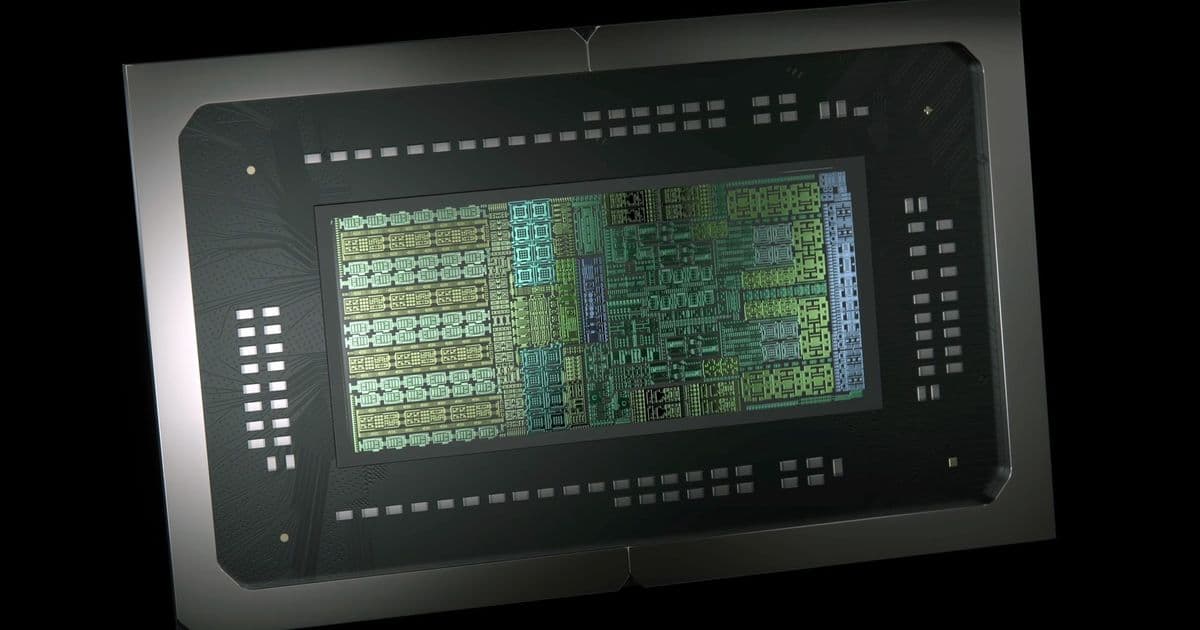
A shipping manifest dated November 2025 shows Dell's unreleased 16 Premium laptop equipped with an Nvidia N1X engineering sample, suggesting the chip was under consideration for consumer laptops just months before its apparent cancellation. The leak raises questions about the future of Nvidia's ARM-based consumer SoC ambitions, especially given the company's recent partnership with Intel.
The Nvidia N1X, a rumored ARM-based SoC that was supposed to mark Nvidia's return to the consumer CPU market, has surfaced again through a shipping manifest that reveals Dell was testing the chip as recently as November 20, 2025. The manifest shows a Dell 16 Premium laptop—an unreleased device that was later rebranded as the Dell XPS at CES 2026—equipped with an "N1X ES2" engineering sample.

This timing is significant because it suggests Dell was still actively experimenting with the N1X platform late in its development cycle, long after most industry observers had written off the chip. The fact that the laptop was still identified as a "Dell 16 Premium" rather than an XPS could indicate a last-minute pivot away from the N1X design, or it might simply reflect the internal naming conventions Dell uses during development.
What the N1X Was Supposed to Be
Based on years of leaks and Nvidia's own disclosures, the N1X represented a ambitious attempt to combine high-performance ARM computing with discrete-class graphics in a single package. The rumored specifications paint a picture of a chip that could have competed directly with AMD's Ryzen APUs and Intel's mobile processors:
- GPU: RTX 5070-class graphics with 6,144 CUDA cores
- CPU: 20 ARM cores based on Nvidia's Grace architecture
- Manufacturing: Co-developed with MediaTek
- Target Market: High-end laptops and small form factor desktops
The hardware itself is very real. Nvidia confirmed that the N1 silicon powers the GB10 Superchip inside the DGX Spark AI workstation, which Jensen Huang personally unveiled. However, that enterprise-focused product uses the chip in a completely different context than what consumers would have received.
The Gap Between Blueprint and Product
The N1 series was supposed to fill a critical gap in Nvidia's portfolio. After the Tegra X1 powered the Nintendo Switch, Nvidia largely abandoned the consumer CPU market, focusing instead on discrete GPUs and enterprise ARM solutions. The N1 would have changed that, bringing true competition to the laptop APU space where AMD and Intel have dominated for years.
For Windows on ARM specifically, the N1X could have been transformative. Current ARM laptops, even those with Qualcomm's Snapdragon X Elite, still struggle with graphics performance compared to x86 alternatives. A chip with RTX 5070-level graphics would have given Windows on ARM a legitimate gaming and content creation platform for the first time.
Why It Might Never Launch
The shipping manifest leak comes at a time when the N1X's future looks increasingly uncertain. Several factors suggest the chip may never reach consumers:
1. The Intel Partnership Factor
Nvidia's equity investment in Intel and their agreement to co-develop x86 RTX SoCs creates a potential conflict. If Nvidia is committed to building RTX chiplets that pair with Intel CPUs, dedicating resources to a competing ARM-based solution makes less strategic sense. The two efforts could be running in parallel, but resources are finite.
2. Windows on ARM Maturity
While Windows on ARM has improved significantly, it still faces application compatibility issues and performance gaps compared to native x86 Windows. Launching a premium SoC into an ecosystem that isn't fully mature carries substantial risk.
3. Qualcomm's Dominance
Qualcomm has established itself as the primary ARM partner for Windows, with exclusive deals and years of optimization work. Breaking into that market requires not just competitive hardware, but extensive software ecosystem development.
4. Manufacturing and Yield Challenges
Building a complex SoC with 6,000+ CUDA cores and 20 ARM cores on advanced process nodes is expensive. If yields are low or if the chip can't hit power and thermal targets for laptops, the business case collapses.
The Dell Connection
Dell's involvement is particularly telling. As one of the largest PC manufacturers, Dell's design wins are critical for any new processor platform. The fact that they were testing N1X engineering samples in late 2025 suggests serious consideration for the chip in their premium laptop lineup.
However, the rebranding of the 16 Premium to XPS at CES 2026, combined with the absence of any N1X announcement, points to a clean break. If Dell had committed to the chip, we likely would have seen it featured in the XPS launch materials or at least mentioned as a future option.
What This Means for the Market
The potential cancellation of the N1X would have several ripple effects:
For Nvidia: A setback in their diversification strategy. The company has successfully expanded into data centers, AI, and automotive, but consumer CPUs remain a blind spot. Without the N1X, they remain dependent on partners for any presence in laptops.
For AMD and Intel: One less competitor to worry about in the laptop APU space. AMD's Strix Point and Intel's Lunar Lake will continue to dominate the premium laptop segment without ARM competition from Nvidia.
For Windows on ARM: A missed opportunity for a major performance leap. The platform will continue to rely on Qualcomm and potentially other ARM partners, but without Nvidia's graphics expertise.
For Consumers: Fewer choices in the laptop market. The N1X could have offered a unique combination of ARM efficiency and RTX graphics that no current product matches.
The Bigger Picture
This leak illustrates the brutal reality of semiconductor development. Companies spend billions designing chips that never reach the market due to shifting strategies, market conditions, or technical challenges. The N1X appears to be the latest victim of this process.
Yet the hardware exists. The GB10 Superchip proves the architecture works. The question is whether Nvidia will ever adapt it for the consumer market, or if it will remain confined to enterprise AI systems.
For now, laptop buyers looking for ARM-based systems will have to choose between Qualcomm's Snapdragon X series or wait to see if Nvidia's Intel partnership produces x86 chips with RTX graphics. The dream of an ARM laptop with true RTX performance appears to be on indefinite hold.

The shipping manifest from November 2025 will likely stand as the last concrete evidence that the N1X was ever close to reality. Unless Nvidia surprises everyone with a late revival, this chapter of the company's history appears to be closing before it ever truly opened.
Related Developments
For those following Nvidia's ARM ambitions, the company's official DGX Spark product page shows how the N1 silicon is being deployed in enterprise settings. Meanwhile, Microsoft's Windows on ARM documentation continues to evolve the platform that the N1X would have targeted.
The full text of Nvidia's Intel partnership announcement provides additional context on why the company might be shifting focus away from standalone ARM SoCs for consumers.
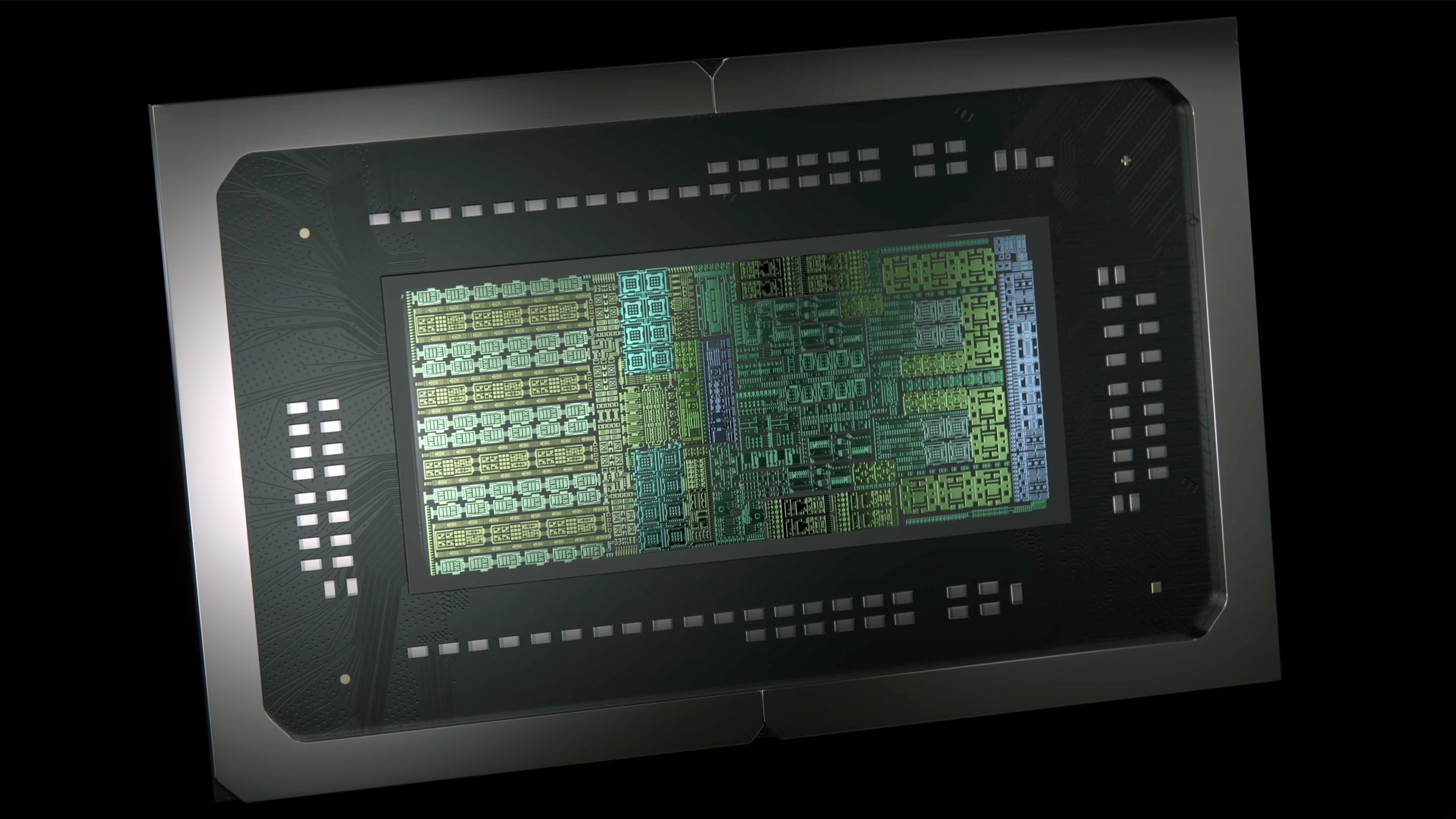
As always in the semiconductor industry, today's cancellation can become tomorrow's surprise launch, but the evidence suggests the N1X's window of opportunity has likely closed.
Comments
Please log in or register to join the discussion