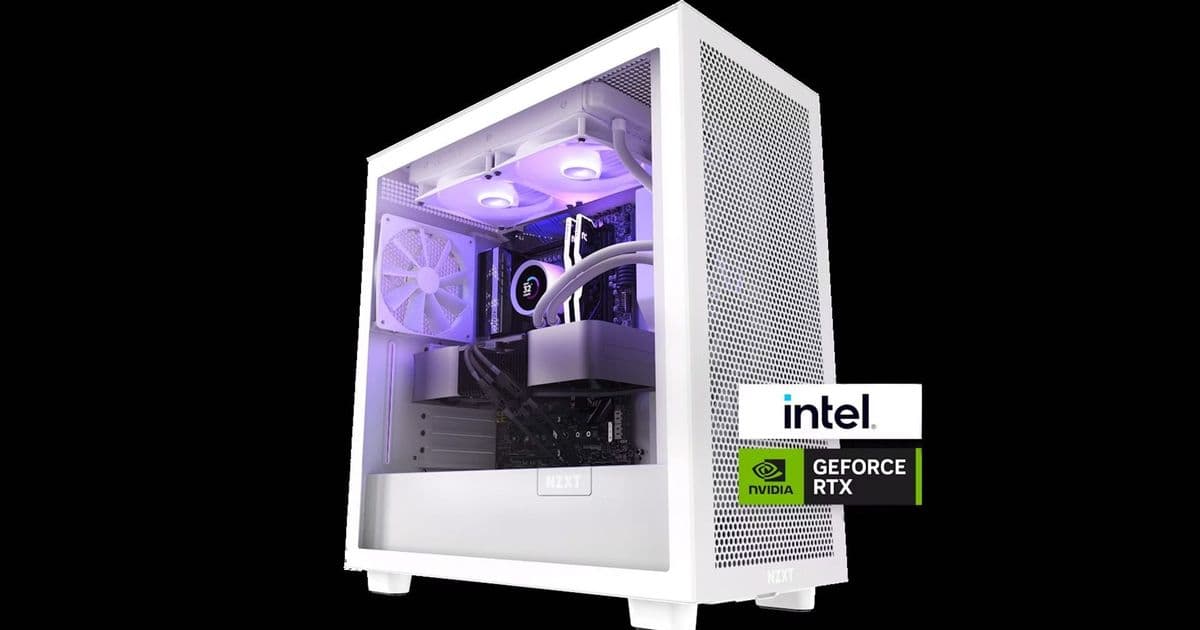
NZXT and Fragile Inc. have agreed to a $3.45 million settlement over allegations of deceptive marketing and aggressive debt collection in their Flex PC rental program, with affected customers receiving debt forgiveness, hardware ownership, or cash payouts.
NZXT and its billing partner Fragile Inc. have agreed to a $3.45 million preliminary settlement in a California District Court to resolve a class-action lawsuit alleging their "Flex" PC rental program defrauded nearly 20,000 customers through deceptive marketing, bait-and-switch hardware tactics, and aggressive debt collection.
The settlement, made public on April 7, 2026, comes after months of mounting pressure and follows a massive investigation by Gamers Nexus that heavily influenced the court filings. The case was brought under the civil Racketeer Influenced and Corrupt Organizations (RICO) Act, citing mail and wire fraud.
The Allegations Against NZXT's Flex Program
The lawsuit targeted several allegedly shady business practices:
Deceptive Marketing: NZXT and Fragile were accused of misleading marketing that often targeted children, promising they could rent a PC for a month, win a Fortnite tournament, and use the winnings to buy the rig outright. Influencer campaigns heavily implied the program was "rent-to-own" when it was actually an indefinite lease with no path to ownership.
Bait-and-Switch Tactics: When customers signed up, NZXT allegedly swapped out premium parts for worse components while keeping the advertised price the same.
Aggressive Debt Collection: When customers tried to cancel confusing contracts, Fragile Inc. allegedly unleashed aggressive debt collectors on them, sometimes attempting to collect on debts that had already been paid.
The behavior was severe enough that plaintiffs brought the suit under the RICO Act, citing mail and wire fraud.
Settlement Distribution Breakdown
According to Gamers Nexus's analysis of the dense legal filings, the $3.45 million will be distributed among the 19,322 affected class members who subscribed between October 19, 2023, and March 30, 2026:
Debt Forgiveness ($923,117.92 pool): Customers currently being hounded by debt collectors will have up to $5,000 of debt forgiven per person. This is expected to happen automatically for those who are more than 90 days delinquent.
Hardware Ownership ($1.21 million pool): Customers who have been paying into the program for at least two years and fill out a form stating they believed it was a rent-to-own program will finally be granted full ownership of their PCs.
Cash Payouts: Customers who rented, returned their PCs, and owe no debt are entitled to a cash payout. The exact amount depends on how many people file valid claims, but estimates suggest payouts of around $450 to $500 if 10% of the class files.
What This Means for NZXT and Customers
The hefty payout represents a significant blow to NZXT, one of the few companies serving the struggling PC DIY market. The settlement highlights the risks of predatory lending practices in the PC hardware space, particularly targeting younger consumers who may not fully understand the financial implications of rental agreements.
For affected customers, the settlement offers various forms of relief depending on their situation. Those still in debt may see significant portions forgiven, while long-term renters may finally gain ownership of their hardware. Even those who returned their PCs may receive modest cash compensation.
Next Steps for Affected Customers
If you were an NZXT Flex customer between October 2023 and March 2026, keep a close eye on your inbox. Make sure to whitelist "NZXT," "Fragile," and "Flex" so settlement notices don't land in your spam folder.
According to the filings, the official settlement website and phone number are required to go live within 21 days of the document becoming public. Since the filings were released on April 7, you can expect the portal to open around April 28th. The final approval hearing isn't expected until sometime after September.
This settlement serves as a cautionary tale about the importance of reading the fine print in rental agreements and the potential consequences for companies that engage in deceptive marketing practices in the PC hardware space.
Comments
Please log in or register to join the discussion