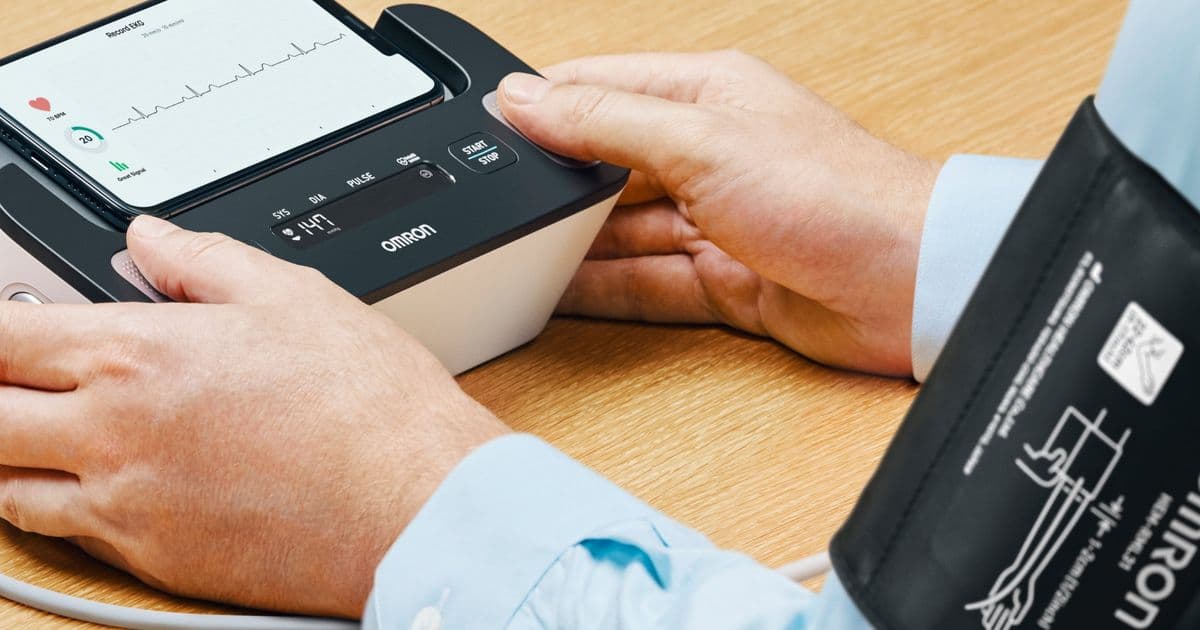
Japanese medical device maker Omron plans to enter the Indian market for AI-powered remote ECG diagnosis in fiscal 2027, targeting a country with a severe shortage of cardiac specialists.
Japanese medical device manufacturer Omron is preparing to enter the Indian market for AI-powered remote electrocardiogram diagnosis in fiscal 2027, marking a strategic expansion aimed at addressing India's shortage of cardiac specialists while boosting the company's flagging sales.
Market Context and Strategic Rationale
The move represents Omron's latest push into AI-driven healthcare solutions, following its automation center's work on manufacturing solutions for India. The company has identified India's growing healthcare needs and limited specialist workforce as key opportunities for its remote diagnosis technology.
India faces a critical shortage of cardiologists, with only about 5,000 specialists serving a population exceeding 1.4 billion. This creates significant gaps in cardiac care, particularly in rural and semi-urban areas where access to specialists remains limited.
Technology and Partnership Structure
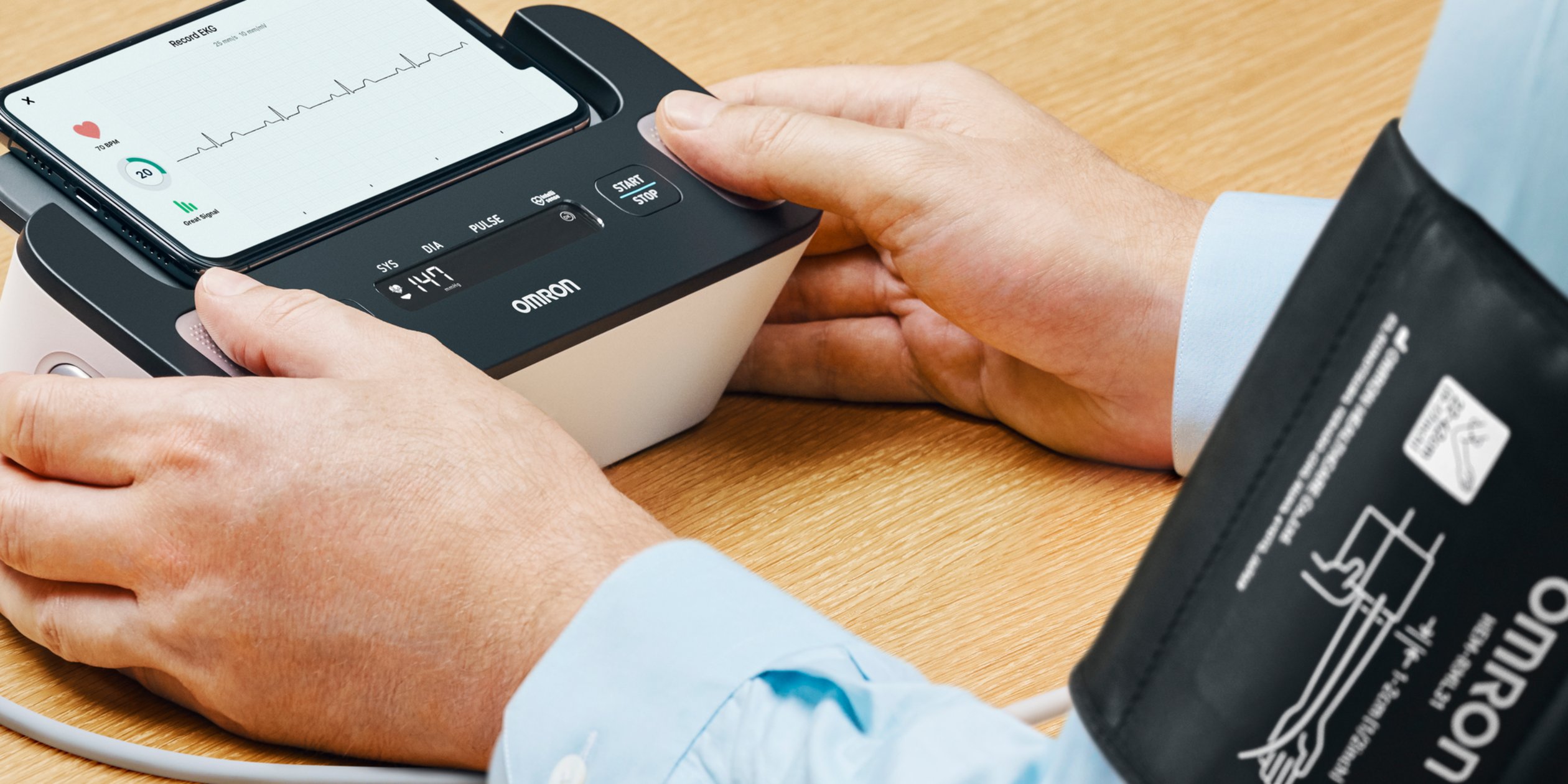
Omron plans to leverage artificial intelligence to analyze electrocardiogram readings remotely, enabling faster diagnosis and treatment recommendations without requiring in-person specialist consultations. The technology aims to bridge the gap between patients and cardiac care by providing preliminary assessments that can be reviewed by medical professionals.
The company is partnering with a Singapore-based firm to facilitate market entry, though specific details about the partner and implementation timeline remain limited. This regional collaboration approach allows Omron to navigate regulatory requirements and establish local partnerships more effectively.
Financial Context and Industry Trends
Omron's healthcare expansion comes as the company seeks to revitalize its medical device business. The move aligns with broader industry trends toward AI-powered diagnostics and remote healthcare solutions, particularly in emerging markets with significant healthcare infrastructure gaps.
The timing coincides with major investments in India's technology sector, including Reliance's $110 billion AI investment and Adani's $100 billion commitment to AI data centers by 2035. These developments create a supportive ecosystem for healthcare technology adoption.
Competitive Landscape
Omron faces competition from other medical device manufacturers entering the Indian market with similar AI-powered diagnostic solutions. The company's established reputation in medical devices and automation technology provides a competitive advantage in developing reliable, scalable solutions.
The remote ECG diagnosis market in India represents a significant growth opportunity, given the country's high burden of cardiovascular disease and limited specialist resources. Success in this market could serve as a model for expansion into other emerging markets with similar healthcare challenges.
Implementation Challenges
Key challenges include regulatory approval processes, integration with existing healthcare infrastructure, and ensuring reliable connectivity for remote diagnosis in areas with limited internet access. Omron will need to address data privacy concerns and demonstrate the accuracy and reliability of its AI algorithms to gain acceptance from healthcare providers and patients.
The company must also navigate India's complex healthcare system, which includes both public and private providers, and develop pricing models that make the technology accessible across different economic segments.
Future Implications
If successful, Omron's AI-powered ECG diagnosis platform could transform cardiac care delivery in India, potentially reducing diagnosis times and improving outcomes for millions of patients. The technology could also create new revenue streams for the company while addressing a critical public health need.
The initiative may serve as a blueprint for deploying AI-powered medical diagnostics in other emerging markets facing similar healthcare workforce shortages. As AI technology continues to advance, the accuracy and capabilities of remote diagnosis systems are likely to improve, further expanding their potential impact on global healthcare delivery.
Source: Nikkei Asia
Comments
Please log in or register to join the discussion