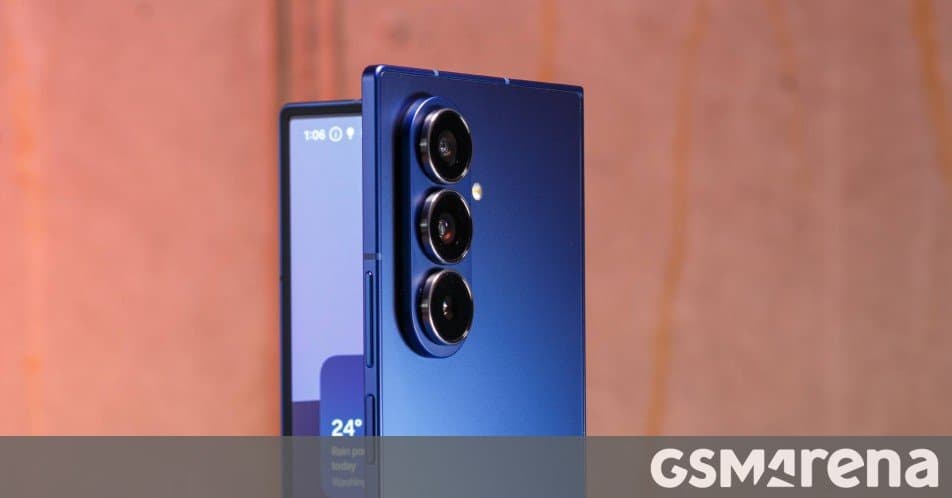
Leaks from Ice Universe reveal Samsung will drop the “Wide” moniker in favor of a clean numeric naming scheme. The upcoming Galaxy Z Fold8 family will include a standard Fold8, a higher‑spec Fold8 Ultra and a wider‑aspect‑ratio Fold8 Wide, all slated for a July launch alongside the Z Flip8.
Samsung’s Foldable Lineup Gets New Names: Galaxy Z Fold8, Fold8 Ultra and Fold8 Wide Confirmed
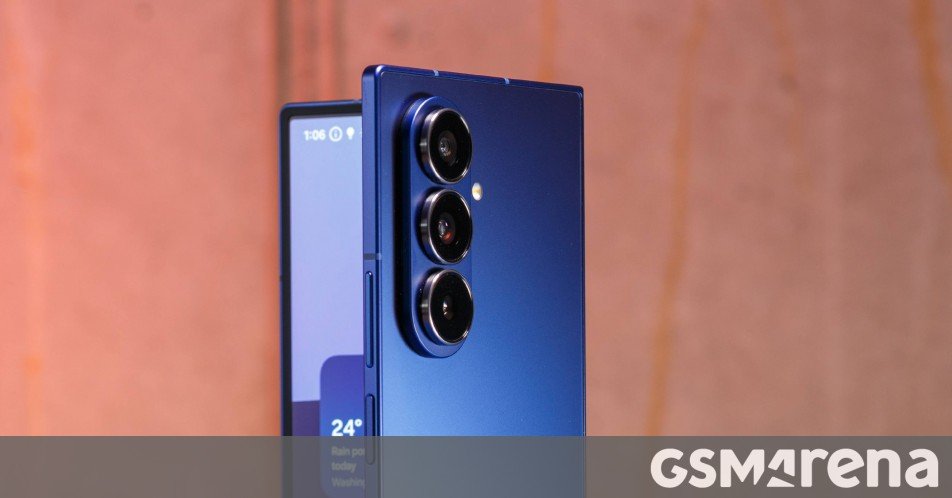
Samsung appears ready to simplify its foldable branding for the 2026 cycle. A tip from the well‑known Weibo source Ice Universe indicates the company will rename the rumored “Galaxy Z Fold Wide” to Galaxy Z Fold8, while the premium version will carry the Galaxy Z Fold8 Ultra badge. A third model, tentatively called Galaxy Z Fold8 Wide, will retain the broader screen ratio that has been the subject of much speculation.
What the new names mean
- Galaxy Z Fold8 – The baseline foldable, expected to continue the design language of the Z Fold7 but with a slightly larger unfolded display and a slimmer profile. The “Wide” nickname that circulated online will now be an internal descriptor rather than the market name.
- Galaxy Z Fold8 Ultra – Samsung’s answer to the higher‑end foldables from Apple and competitors. Early leaks suggest a 5,000 mAh battery, a triple‑camera stack with larger sensors, and possibly a 120 Hz LTPO panel that can push up to 2 K resolution when unfolded.
- Galaxy Z Fold8 Wide – A variant that keeps the same chassis as the standard Fold8 but swaps the inner display for a wider 6.5‑inch panel (approximately 22:9 aspect ratio). This should improve multitasking and media consumption, positioning it against the upcoming iPhone Ultra and Huawei’s Pura X Max.
Key hardware expectations
| Feature | Galaxy Z Fold8 | Galaxy Z Fold8 Ultra | Galaxy Z Fold8 Wide |
|---|---|---|---|
| Display (unfolded) | 7.6‑inch QXGA+ LTPO, 120 Hz | 7.8‑inch QXGA+ LTPO, 120 Hz, higher peak brightness | 7.6‑inch QXGA+ LTPO, 120 Hz, 22:9 aspect |
| Cover screen | 6.2‑inch HD+, 120 Hz | 6.4‑inch HD+, 120 Hz | 6.2‑inch HD+, 120 Hz |
| Processor | Snapdragon 8 Gen 3 (global) / Exynos 2600 (EU) | Same SoC, higher clock boost | Same SoC |
| RAM / Storage | 12 GB / 256 GB (base) | 12 GB / 512 GB (base) | 12 GB / 256 GB |
| Battery | 4,800 mAh | 5,000 mAh | 4,800 mAh |
| Camera | Triple: 50 MP main, 12 MP ultra‑wide, 12 MP telephoto | Triple: 50 MP main (larger sensor), 12 MP ultra‑wide, 12 MP periscope telephoto, improved night mode | Triple: 50 MP main, 12 MP ultra‑wide, 12 MP telephoto |
| OS | Android 15 with One UI 7 | Android 15 with One UI 7, extra software for multitasking | Android 15 with One UI 7 |
The Ultra model’s larger battery and upgraded camera module are the most concrete differentiators. While the Wide version will share the same internals as the standard Fold8, its broader inner screen could make it more attractive for productivity‑focused users.
Ecosystem implications
Samsung’s naming shift does more than tidy up the product line; it signals a clearer hierarchy for developers and accessory makers. With the Ultra badge now explicitly attached to the top‑tier foldable, third‑party keyboard cases, stylus integrations, and Samsung DeX extensions can target a single high‑performance platform rather than juggling multiple “Wide” variants.
The Fold8 Wide will likely continue Samsung’s push for cross‑device continuity. Expect tighter integration with the Galaxy Z Flip8, the upcoming Galaxy Watch 7, and the Galaxy Tab S9 series via Link to Windows and Nearby Share. For users already invested in the Samsung ecosystem, the three foldables will share a common One UI 7 skin, meaning app UI scaling and multitasking gestures should feel consistent across the lineup.
Launch timeline
All three foldables—Galaxy Z Fold8, Fold8 Ultra, and Fold8 Wide—are slated for a July 2026 unveiling at Samsung’s second annual Galaxy Unpacked event. The Z Flip8 is expected to debut alongside them, completing the 2026 foldable family. Historically, Samsung follows a July launch with pre‑orders opening within a week and shipments beginning in early August, so early adopters can anticipate availability by the start of the back‑to‑school season.
What this means for consumers
- Clearer buying decision – The Ultra label makes it obvious which model offers the most premium specs, while the standard Fold8 will likely hit a more approachable price point.
- Wider screen for multitaskers – The Fold8 Wide could be the first Samsung foldable where the inner display’s aspect ratio is deliberately designed for split‑screen work, rather than just media consumption.
- Future‑proof software – Android 15 and One UI 7 bring enhanced foldable‑specific APIs, such as dynamic app resizing and improved app continuity, ensuring that the hardware upgrades translate into real‑world productivity gains.
Bottom line
Samsung’s decision to retire the “Galaxy Z Fold Wide” name in favor of a cleaner Galaxy Z Fold8 family clarifies the product hierarchy and aligns the brand with its numeric naming convention. With a standard model, a premium Ultra variant, and a wider‑aspect ratio version, the company is covering the full spectrum of foldable use cases—from everyday media consumption to serious mobile productivity. The July launch will be the first real test of whether the wider screen and higher‑spec Ultra model can carve out a niche against Apple’s upcoming iPhone Ultra and the growing field of Android foldables.
For more details on Samsung’s upcoming devices, keep an eye on the official Samsung newsroom and follow reputable leakers like Ice Universe on Weibo.
Comments
Please log in or register to join the discussion